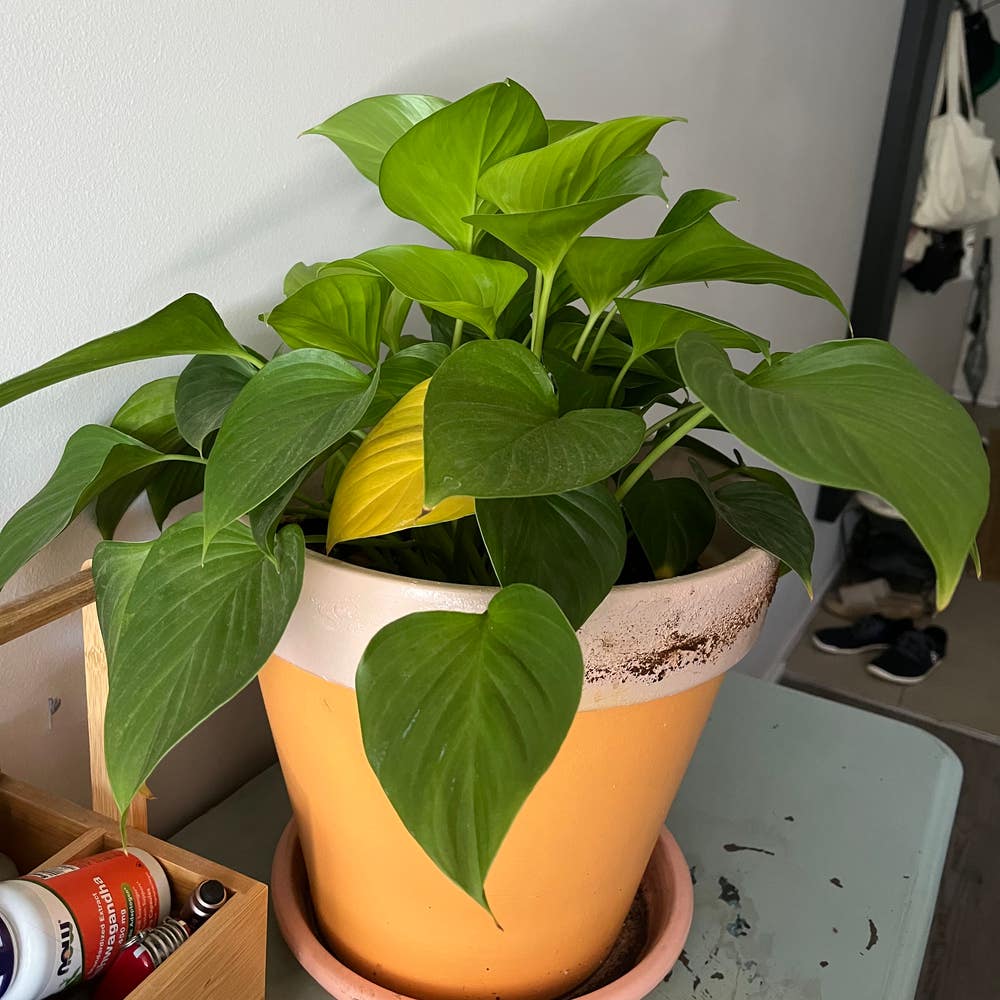
🐞 What Are The Bugs on My Homalomena rubescens?
Homalomena rubescens
By the Greg Editorial Team
Apr 07, 2024•3 min read
This article was created with the help of AI so we can cover more plants for you. May contain errors. See one? Report it here.
- 🕸️ Spider mites show as webbing and yellow dots; neem oil and soap combat them.
- 🐚 Scale insects appear as waxy bumps; remove manually and use horticultural oil.
- 🍄 Fungus gnats detected by tiny dark insects; use sticky traps and dry soil.
Spider Mites: The Sneaky Sap-Suckers
🕷️ Spotting the Culprits
Tiny webbing on your Homalomena rubescens? That's spider mites throwing a house party at your plant's expense. Look for stippling—those yellow dots on leaves that scream "we've been here."
🛡️ Combat and Conquer
Neem oil and insecticidal soap are your allies in this battle. They're like the bouncers at the club, kicking out the unwanted. Boost humidity to make your plant less of a spider mite hotspot. They despise moisture like cats hate water.
🚫 Keeping Them at Bay
Regular misting can deter future invasions. Quarantine new plants as if they're trying to smuggle contraband into your home. It's not about mistrust; it's about protection—keeping the peace in your green sanctuary.
Scale: The Sticky Invaders
🐞 Unmasking the Enemy
Scale insects are masters of disguise, often mistaken for harmless plant growth. Waxy bumps on stems and leaves are telltale signs of their presence. These pests sap the vitality of your Homalomena rubescens, leaving behind a sticky honeydew that can lead to sooty mold.
🛡️ Eradication Tactics
Manual removal is your first line of defense against scale. Use a toothpick or a cotton swab soaked in rubbing alcohol to dislodge these stubborn pests. For a more aggressive approach, horticultural oil applications suffocate the scales, disrupting their lifecycle. Remember, persistence pays off—repeat treatments are often necessary.
💡 Prevention Protocols
Regular plant check-ups are crucial for early detection of scale. Isolate new plants to prevent the spread of these sticky invaders. Keep an eye out for any resurgence and act swiftly to maintain control.
Fungus Gnats and Fruit Flies: The Soil Lurkers
🐜 Detecting the Flyers
Spot tiny dark insects? They're likely fungus gnats or fruit flies, throwing a party at your plant's base. They're the uninvited guests that overstay their welcome in moist soil.
🪰 Fly-Free Solutions
Sticky traps are your best bet to catch these adult pests mid-dance. Let the soil dry out to ruin the larvae's day. And don't forget, introducing nematodes is like sending in the cavalry against these soil lurkers.
💧 Moisture Management
Overwatering is like an open bar for gnats. Keep the soil on the drier side to crash their party. This simple change in your watering routine can be a game-changer in keeping these pests at bay.
Mealybugs: The Fluffy Foes
🐛 Finding the Fluff
Spot white masses on your Homalomena rubescens? You've likely got mealybugs. These pests are the bane of plant lovers, leaving a telltale cotton-like residue in their wake. Check the leaf joints and undersides for these fluffy invaders.
🚀 Elimination Game Plan
Time to get tactical. Grab a cotton swab soaked in rubbing alcohol and go to town on those mealybugs. They're tough, so you might need to escalate to soapy sprays or neem oil treatments. Remember, it's a battle of persistence—regular applications are your best bet.
🚧 Quarantine and Cleanliness
New plant on the block? Isolate it first. Mealybugs are like the worst kind of party crashers; they'll hop onto other plants faster than you can say 'infestation'. Keep a vigilant eye on your greenery, and don't let your guard down. Cleanliness is your plant's armor—keep those leaves pristine.
⚠️ Safety First
This content is for general information and may contain errors, omissions, or outdated details. It is not medical, veterinary advice, or an endorsement of therapeutic claims.
Always consult a qualified healthcare professional before using any plant as food, medicine, or supplement.
Never eat any plant (or feed one to pets) without confirming its identity with at least two trusted sources.
If you suspect poisoning, call Poison Control (800) 222-1222, the Pet Poison Helpline (800) 213-6680, or your local emergency service immediately.
Spotted an error? Please report it here.
Banish pests from your Homalomena rubescens by relying on Greg's reminders 📅 for regular check-ups and tailored environmental tips to keep those bugs at bay!