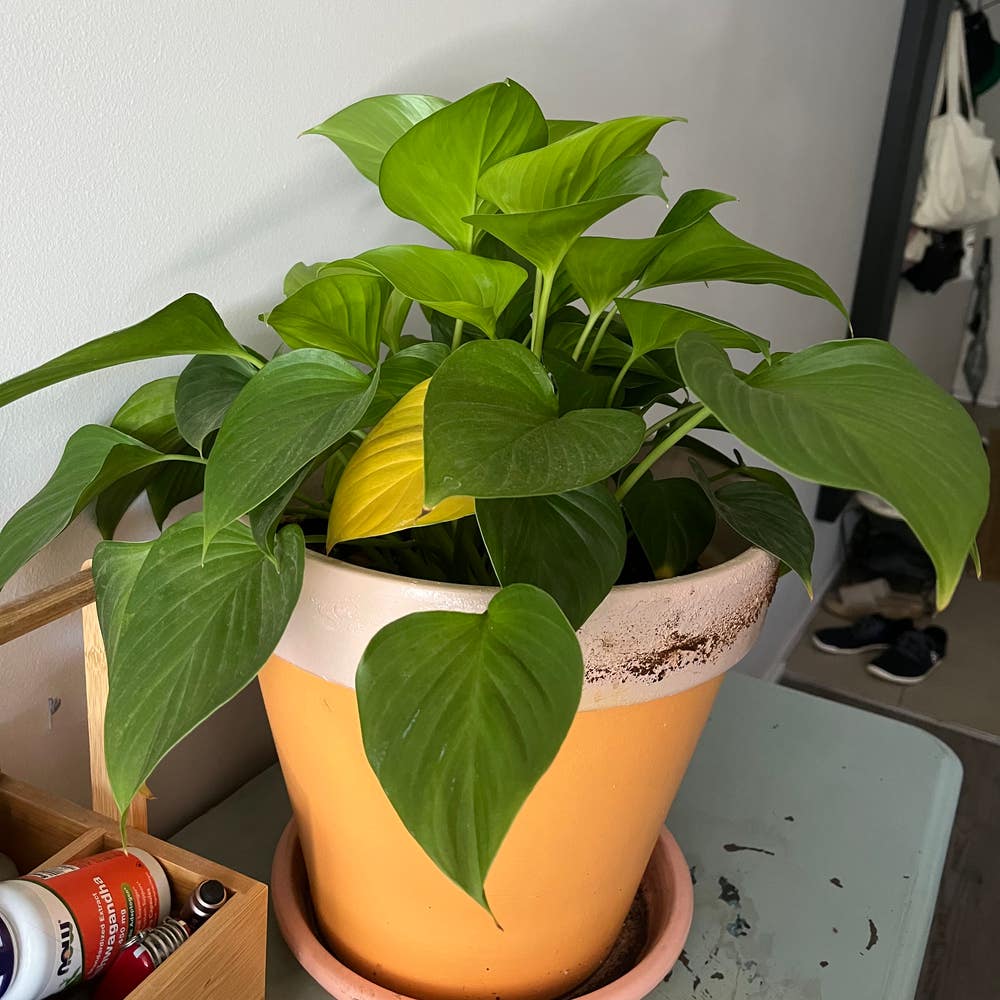
❤️ Why Your Ace of Hearts Tree Buds Are Falling Off
Homalomena rubescens
By the Greg Editorial Team
Oct 17, 2024•4 min read
This article was created with the help of AI so we can cover more plants for you. May contain errors. See one? Report it here.
- 🌱 Environmental stress, pests, and nutrition cause Ace of Hearts flower drop.
- ☀️ Ensure 6-8 hours of sunlight and balanced fertilization for healthy blooms.
- 🐞 Use organic pest control like neem oil to manage infestations effectively.
Flowering Problems in Ace of Hearts Tree
🌼 Premature Flower Drop
Common causes of premature flower drop
Premature flower drop can be frustrating for any gardener. Several factors contribute to this issue, including:
- Environmental Stress: High temperatures and low humidity can shock the tree, causing buds to fall off.
- Nutritional Deficiencies: A lack of essential nutrients can weaken the tree, leading to flower drop.
- Pest Infestations: Pests like aphids and spider mites can damage buds, resulting in premature loss.
Solutions to prevent premature flower drop
To combat premature flower drop, consider these solutions:
- Regular Monitoring: Keep an eye on environmental conditions to catch any stress early.
- Balanced Fertilization: Implement a fertilization schedule that provides essential nutrients.
- Organic Pest Control: Use methods like neem oil to manage pest infestations effectively.
🌸 Failure to Bloom
Reasons for failure to bloom
If your Ace of Hearts tree isn't blooming, several culprits may be at play:
- Inadequate Light Exposure: Less than six hours of direct sunlight can hinder blooming.
- Poor Soil Quality: Compacted or nutrient-deficient soil can stunt growth.
- Incorrect Pruning Timing: Pruning at the wrong time can disrupt the blooming cycle.
Steps to encourage blooming
To encourage your tree to bloom, follow these steps:
- Assess Light Conditions: Ensure your tree receives 6-8 hours of sunlight daily.
- Improve Soil Quality: Use well-draining, nutrient-rich soil to support growth.
- Prune at the Right Time: Aim to prune in late winter or early spring before new growth begins.
🌺 Abnormal Flower Development
Identifying abnormal flower development
Abnormal flower development can manifest in various ways:
- Deformed Flowers: Look for unusual shapes or sizes that deviate from the norm.
- Discoloration: Flowers turning brown or wilting prematurely are signs of trouble.
Causes and remedies for abnormal flower development
Several factors can lead to abnormal flower development:
- Nutritional Imbalances: Ensure proper nutrient ratios to support healthy blooms.
- Environmental Stress: Maintain stable temperature and humidity levels.
- Pest and Disease Management: Conduct regular inspections and treatments to keep your tree healthy.
🌱 Nutritional Needs
Key nutrients for flowering
Understanding the nutritional needs of your Ace of Hearts tree is crucial for vibrant blooms:
- NPK Ratios: A balanced ratio of nitrogen, phosphorus, and potassium is essential for optimal flowering.
- Micronutrients: Magnesium, calcium, and iron play vital roles in flower health.
Signs of nutritional deficiencies
Watch for these signs that indicate nutritional deficiencies:
- Yellowing Leaves: This often signals a nitrogen deficiency.
- Poor Flower Development: If flowers aren't thriving, phosphorus deficiency may be the cause.
Fertilization tips for better blooms
To enhance blooming, consider these fertilization tips:
- Schedule: Fertilize every 4-6 weeks during the growing season.
- Types of Fertilizers: Use balanced NPK formulas or organic options for best results.
🐞 Pests and Diseases
Common pests affecting flowering
Pests can wreak havoc on your Ace of Hearts tree's blooms:
- Aphids: Look for sticky residue and curled leaves as signs of infestation.
- Spider Mites: Fine webbing and stippled leaves indicate these pests are present.
Control methods
To manage pests effectively, try these control methods:
- Neem Oil and Insecticidal Soap: These are effective for organic pest management.
- Beneficial Insects: Introducing ladybugs can help keep pest populations in check.
🌦️ Seasonal Considerations
Seasonal changes and their impact on flowering
Seasonal changes significantly affect flowering:
- Temperature Fluctuations: These can disrupt the bloom cycle.
- Watering and Fertilization Adjustments: Tailor your care based on seasonal needs.
Adjusting care practices throughout the year
Adapting your care practices can lead to healthier blooms:
- Spring: Increase light and nutrients as growth resumes.
- Summer: Monitor for pests and maintain consistent watering.
- Fall: Prepare for dormancy with reduced watering and fertilization.
- Winter: Protect from cold drafts and ensure adequate light.
Understanding these flowering problems and their solutions will empower you to nurture your Ace of Hearts tree effectively. With the right care, you can enjoy a vibrant display of blooms year after year.
⚠️ Safety First
This content is for general information and may contain errors, omissions, or outdated details. It is not medical, veterinary advice, or an endorsement of therapeutic claims.
Always consult a qualified healthcare professional before using any plant as food, medicine, or supplement.
Never eat any plant (or feed one to pets) without confirming its identity with at least two trusted sources.
If you suspect poisoning, call Poison Control (800) 222-1222, the Pet Poison Helpline (800) 213-6680, or your local emergency service immediately.
Spotted an error? Please report it here.
Nurture your Ace of Hearts tree to bloom beautifully 🌼 by using Greg's tailored care reminders and expert tips to ensure it thrives in the right environment!