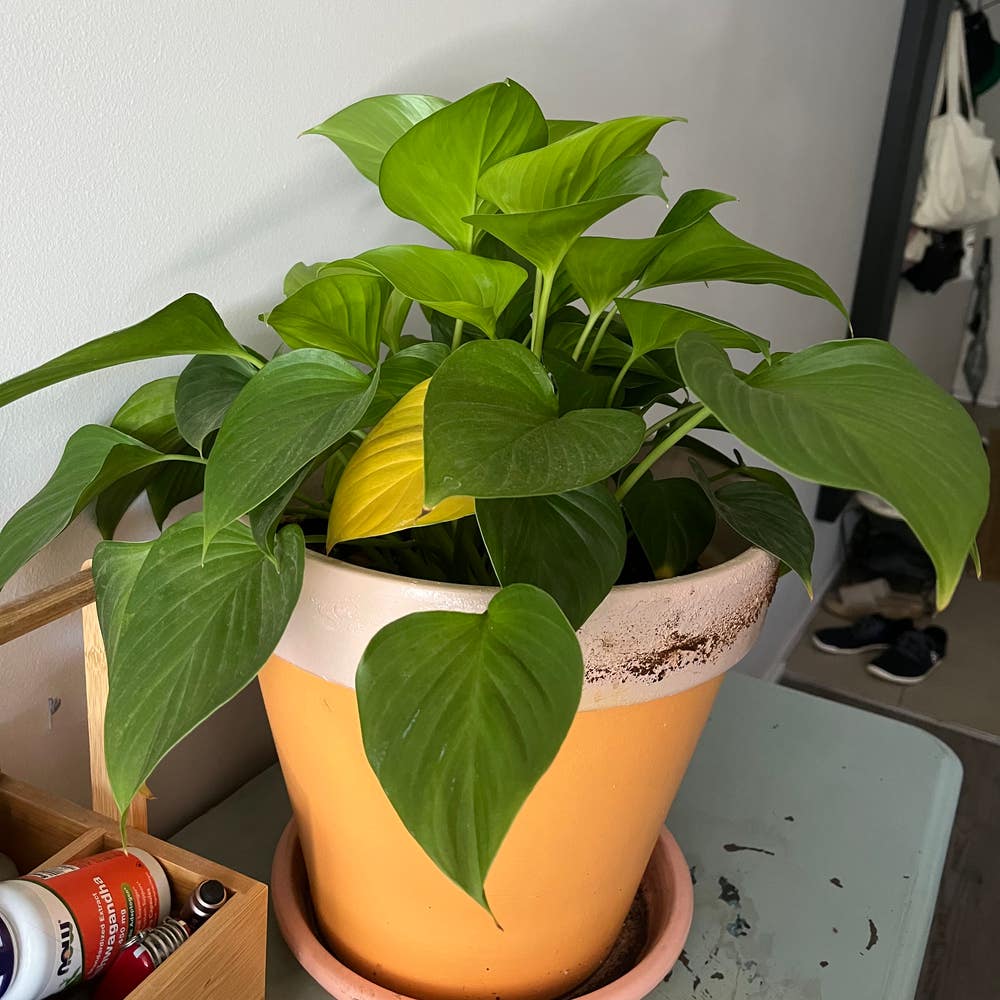
❤️ Everything You Need to Know to Grow Ace of Hearts Tree
Homalomena rubescens
By the Greg Editorial Team
Oct 17, 2024•6 min read
This article was created with the help of AI so we can cover more plants for you. May contain errors. See one? Report it here.
- 🌞 Bright, indirect light prevents leaf scorch on your Ace of Hearts tree.
- 🌱 Well-draining, nutrient-rich soil is essential for healthy growth and pH balance.
- 💧 Water every 1-2 weeks; yellow leaves indicate overwatering, brown edges suggest underwatering.
Site Selection and Soil Preparation
🌍 Choosing the Right Location
When selecting a spot for your Ace of Hearts tree, prioritize bright, indirect light. Direct sunlight can scorch the leaves, so aim for a location that offers filtered light.
Space is also crucial. Mature plants can grow up to 3 feet in height and width, so ensure you have enough room for them to thrive without crowding.
🌱 Soil Type and pH Requirements
The ideal soil for your Ace of Hearts tree is well-draining and rich in organic matter. A mix of potting soil and perlite works wonders for drainage and aeration.
For optimal growth, maintain a slightly acidic to neutral pH range of 6.0 to 7.0. This balance helps your plant absorb nutrients effectively.
🛠️ Soil Preparation Techniques
To enhance nutrient content, incorporate compost or aged manure into your soil. These amendments provide essential nutrients that support healthy growth.
Don't forget about drainage! Ensure your pots have drainage holes, and consider adding gravel or sand to garden beds to prevent waterlogging. Proper drainage is key to a thriving Ace of Hearts tree.
With the right location and soil preparation, you're setting the stage for a healthy, vibrant plant. Next, let’s dive into the best planting techniques to get your Ace of Hearts tree off to a great start!
Planting Techniques
Step-by-Step Planting Instructions 🌱
Prepare the planting hole or container: Make it twice the width of the root ball and the same depth. This gives the roots ample space to spread.
Remove the plant from its nursery pot: Gently loosen the roots if they are pot-bound. This helps the plant adapt to its new environment.
Position the plant: Place it in the center of the hole or container. Centering ensures even growth on all sides.
Backfill with soil: Firmly pack the soil around the roots to eliminate air pockets. This step is crucial for root stability.
Water thoroughly: Ensure the soil is moist but not soggy. Proper watering helps settle the soil and encourages root establishment.
Container vs. Outdoor Planting Considerations 🏡
Container growing: This method is perfect for limited spaces. It allows for mobility and easier care, making it a great choice for urban gardeners.
Outdoor growing: Ensure you have a suitable climate. Protect your plants from extreme temperatures to promote healthy growth.
Spacing and Depth Guidelines 📏
Spacing: For outdoor planting, space your Ace of Hearts trees 2-3 feet apart. This distance allows them to reach their full potential without crowding.
Depth: Plant at the same depth as it was in the nursery pot. This prevents root stress and encourages healthy growth.
By following these planting techniques, you set your Ace of Hearts tree up for success. Next, let’s explore how to keep your plant thriving with proper watering and fertilizing techniques.
Watering and Fertilizing
💧 Watering Frequency and Techniques
Keeping your Ace of Hearts tree happy starts with a solid watering routine. Aim to keep the soil consistently moist, but avoid waterlogging; typically, watering every 1-2 weeks works well.
To check if your plant needs water, use a moisture meter or simply stick your finger into the soil. If it feels dry an inch down, it’s time to water.
🌱 Fertilizer Types and Application Schedule
Fertilizing is essential for vibrant growth. A balanced liquid fertilizer, like NPK 20-20-20, is ideal during the growing season.
Apply this fertilizer every 4-6 weeks in spring and summer. As the seasons change, reduce feeding in fall and winter to give your plant a rest.
🚿 Signs of Overwatering or Underwatering
Monitoring your plant’s health is key to successful care. Overwatering can lead to yellowing leaves, wilting, and even root rot.
On the flip side, underwatering shows up as brown leaf edges, drooping leaves, and dry soil. Keep an eye out for these signs to adjust your watering habits accordingly.
With proper watering and fertilizing, your Ace of Hearts tree will thrive. Next, let’s explore pruning and maintenance to keep your plant in top shape!
Pruning and Maintenance
✂️ Pruning Techniques for Shape and Health
Pruning is essential for keeping your Ace of Hearts tree healthy and vibrant. Use clean, sharp shears to remove any dead or damaged leaves, which helps prevent disease and encourages new growth.
To maintain the desired size and promote bushier growth, trim the plant regularly. This not only enhances its appearance but also improves air circulation, which is vital for its overall health.
🌱 Seasonal Pruning Considerations
The best time to prune your Ace of Hearts tree is early spring, just before new growth begins. This timing allows the plant to recover quickly and thrive throughout the growing season.
Aim to prune annually or as needed to maintain its shape and health. Regular attention will ensure your tree remains lush and full.
🧑🌾 Ongoing Care Routine
Incorporating a mulching routine can significantly benefit your Ace of Hearts tree. Apply a layer of organic mulch around the base to retain moisture and suppress weeds, creating a healthier environment for your plant.
Monitoring your tree is crucial for its long-term health. Regularly check for pests and assess overall plant health to catch any issues early. This proactive approach will keep your tree thriving and looking its best.
As you continue to care for your Ace of Hearts tree, you'll find that consistent maintenance leads to a more resilient and beautiful plant. Next, let’s explore common challenges and solutions to ensure your tree remains in top condition.
Common Challenges and Solutions
🐛 Identifying and Managing Pests and Diseases
Pests can be a real headache for your Ace of Hearts tree. Common culprits include spider mites, aphids, and mealybugs, which can sap your plant's vitality.
To combat these pests, consider using insecticidal soap or neem oil. Both options are effective and eco-friendly, ensuring your plant stays healthy without harsh chemicals.
🌬️ Addressing Environmental Stressors
Your Ace of Hearts tree thrives in a temperature range of 65°F to 80°F (18°C to 27°C). Protect it from drafts and extreme heat to keep it comfortable.
Humidity is also crucial; aim for levels above 50%. If your home is dry, a humidifier or a simple pebble tray can work wonders.
🌱 Troubleshooting Growth Issues
If you notice yellowing leaves, it’s often a sign of overwatering. Adjust your watering schedule to give your plant a chance to recover.
Stunted growth might indicate a nutrient deficiency. In this case, consider fertilizing or checking the soil pH to ensure it’s within the optimal range.
By staying vigilant and addressing these common challenges, you can ensure your Ace of Hearts tree remains vibrant and healthy. Next, let’s explore pruning and maintenance techniques to keep your plant in top shape.
⚠️ Safety First
This content is for general information and may contain errors, omissions, or outdated details. It is not medical, veterinary advice, or an endorsement of therapeutic claims.
Always consult a qualified healthcare professional before using any plant as food, medicine, or supplement.
Never eat any plant (or feed one to pets) without confirming its identity with at least two trusted sources.
If you suspect poisoning, call Poison Control (800) 222-1222, the Pet Poison Helpline (800) 213-6680, or your local emergency service immediately.
Spotted an error? Please report it here.
Grow your Ace of Hearts tree like a pro 🌱 with Greg's tailored care reminders and expert tips to keep it thriving in its perfect environment!