💖 Best Practices for Planting Ace of Hearts Tree
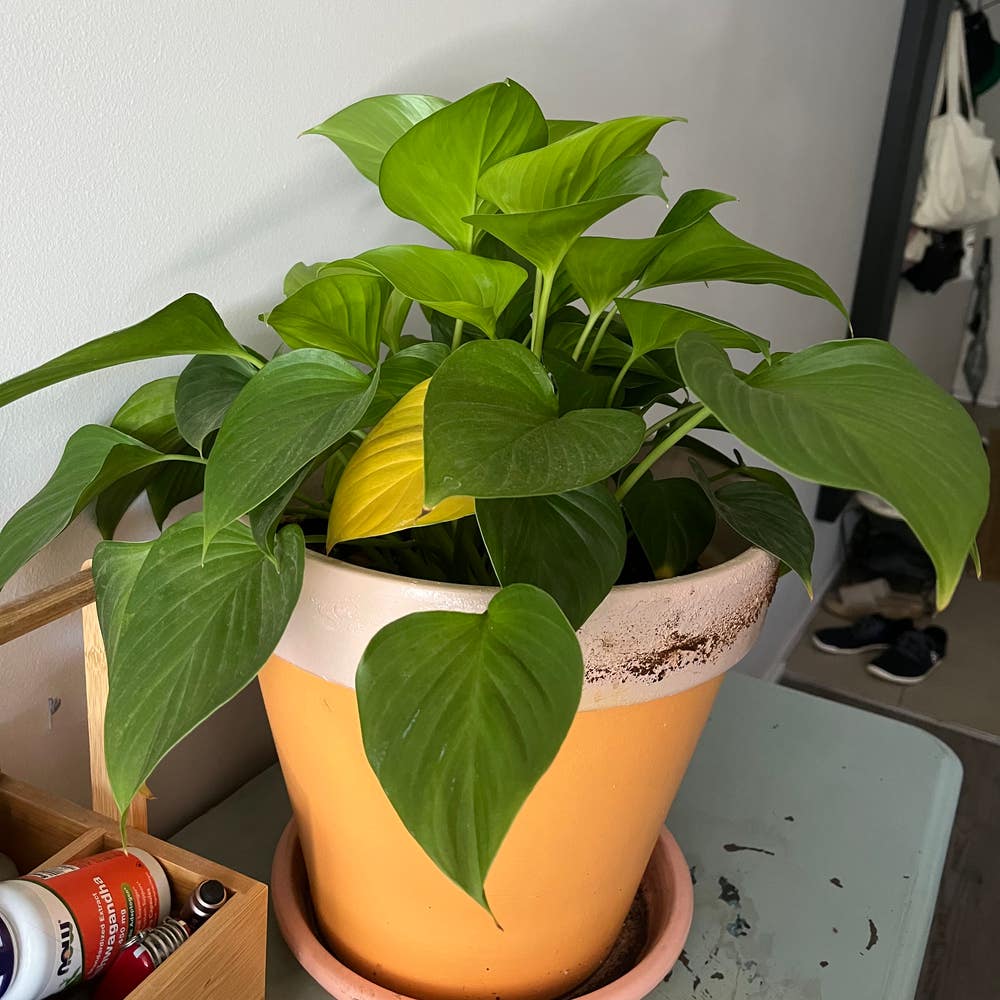
Homalomena rubescens
By the Greg Editorial Team
Oct 17, 2024•5 min read
This article was created with the help of AI so we can cover more plants for you. May contain errors. See one? Report it here.
- 🌱 Understand planting vs. transplanting for informed Ace of Hearts tree decisions.
- 💧 Optimal soil and moisture management are crucial for healthy tree establishment.
- 🌳 Best planting times are spring or early fall for successful growth.
Key Considerations for Planting Ace of Hearts Tree
🌱 Planting vs. Transplanting
When deciding between planting a new Ace of Hearts tree and transplanting an established one, it's essential to understand the differences. Planting involves introducing a young tree into the ground for the first time, while transplanting means relocating an already established tree.
Each method has its context. Planting is ideal for starting fresh in a new garden, while transplanting is preferred when you want to move a tree to a more suitable location or improve its growing conditions.
⚖️ Benefits and Drawbacks
Cost is a significant factor in this decision. New trees often have lower initial costs, but transplanting can incur labor expenses.
Time to maturity also varies. New trees may take longer to establish, while established trees can provide immediate benefits but require careful handling during the move.
Adaptability is another consideration. Established trees often adapt better to local conditions, having already developed a relationship with the soil and climate. This can lead to a more resilient tree in the long run.
Understanding these key considerations will help you make informed decisions about planting or transplanting your Ace of Hearts tree. Next, we’ll dive into the specifics of planting a new tree for optimal growth.
Planting New Ace of Hearts Tree
🌱 Optimal Timing for Planting
The best seasons for planting your Ace of Hearts Tree are spring or early fall. Look for signs in the plant's growth cycle, such as budding leaves or active root growth, to determine the perfect time.
🥣 Selecting Soil Mix and Containers
For optimal growth, use a well-draining soil mix with a slightly acidic to neutral pH, ideally between 6.0 and 7.0. Choose containers that are at least 12-18 inches deep to give young trees ample room for root development.
📏 Proper Depth and Spacing
When planting, ensure the root ball is level with the soil surface for the best results. Space your trees 10-15 feet apart to allow for healthy growth and airflow.
🌧️ Maintaining Ideal Growing Conditions
Keep the soil consistently moist but avoid waterlogging, as this can harm the roots. Apply 2-3 inches of organic mulch around the base to retain moisture, and ensure your tree receives full sun for 6-8 hours daily.
🌳 Hardening Off Process
Hardening off is crucial for acclimating your Ace of Hearts Tree to its new environment. Over a period of 7-10 days, gradually expose the tree to outdoor conditions, starting with a few hours each day and increasing exposure time.
Transitioning from planting to transplanting can be a rewarding journey. Understanding these foundational steps will set you up for success as you nurture your Ace of Hearts Tree.
Transplanting Established Ace of Hearts Tree
🌱 Optimal Timing for Transplanting
Transplanting your Ace of Hearts Tree is best done in early spring or late fall. These seasons provide the ideal conditions for minimizing stress on the tree.
🛠️ Step-by-Step Instructions for Transplanting
Removing the Plant
- Water the tree thoroughly a day before transplanting. This helps hydrate the roots and makes the process smoother.
- Dig around the root zone, ensuring you maintain a root ball of at least 12-18 inches in diameter. This size helps preserve the roots.
- Gently lift the tree, taking care to avoid any root damage. A careful approach here pays off in the long run.
Preparing the New Site
- Choose a location that offers similar sunlight and soil conditions to the original site. Consistency is key for a successful transition.
- Dig a hole that is twice the width of the root ball and the same depth. This gives the roots plenty of room to spread out.
🌳 Ensuring Proper Placement and Spacing
Position the tree in the center of the hole, making sure the root ball is level with the soil surface. This ensures that the tree can establish itself properly. Water thoroughly after planting to help settle the soil around the roots.
💧 Tips for Watering, Mulching, and Support
Keep the soil consistently moist for the first few weeks to help the tree adjust. This is crucial for its recovery. Apply 2-3 inches of organic mulch around the base to retain moisture and regulate soil temperature. If your tree is taller, consider using stakes for support. This can help stabilize it as it acclimates to its new environment.
Transplanting can be a rewarding experience, allowing your Ace of Hearts Tree to thrive in a new location. Next, let’s explore how to troubleshoot common issues that may arise during this process.
Troubleshooting Common Issues
Understanding Transplant Shock 🌱
Transplant shock is a common hurdle when planting or moving an Ace of Hearts Tree. Symptoms include wilting, yellowing leaves, and stunted growth, which can be alarming for any gardener.
The primary causes of transplant shock are root disturbance and sudden environmental changes. When a tree is uprooted, its roots can be damaged, making it difficult for the plant to absorb water and nutrients.
Addressing Establishment Problems 🛠️
Recognizing signs of poor establishment is crucial for the health of your tree. Look for slow growth and leaf drop, which indicate that the tree is struggling to adapt.
To remedy these issues, adjust your watering practices and ensure the soil conditions are optimal. Consistent moisture and the right soil mix can significantly improve establishment.
Solutions for Common Planting/Transplanting Issues 🔧
Preventing and managing transplant shock requires vigilance. Water your tree consistently, especially in the weeks following planting or transplanting.
Monitoring your tree's response is essential. Adjust care based on its needs, whether that means altering watering schedules or providing additional nutrients. This proactive approach can make all the difference in your tree's recovery and growth.
With these troubleshooting tips, you can ensure your Ace of Hearts Tree thrives in its new home. Next, let’s explore how to maintain ideal growing conditions for your tree.
⚠️ Safety First
This content is for general information and may contain errors, omissions, or outdated details. It is not medical, veterinary advice, or an endorsement of therapeutic claims.
Always consult a qualified healthcare professional before using any plant as food, medicine, or supplement.
Never eat any plant (or feed one to pets) without confirming its identity with at least two trusted sources.
If you suspect poisoning, call Poison Control (800) 222-1222, the Pet Poison Helpline (800) 213-6680, or your local emergency service immediately.
Spotted an error? Please report it here.
Plant your Ace of Hearts tree with confidence 🌱 by using Greg's tailored care reminders and expert tips to ensure it thrives in its new home!