❤️ What's Eating Your Ace of Hearts Tree
Homalomena rubescens
By the Greg Editorial Team
Oct 17, 2024•7 min read
This article was created with the help of AI so we can cover more plants for you. May contain errors. See one? Report it here.
- 🌳❤️ Ace of Hearts tree attracts herbivores due to its heart-shaped leaves and vibrant flowers.
- 🦌🐇 Common herbivores include deer, rabbits, and squirrels, causing significant damage to the tree.
- 🚫🌿 Effective deterrents like repellents and fencing can protect your Ace of Hearts tree.
Appearance and Appeal
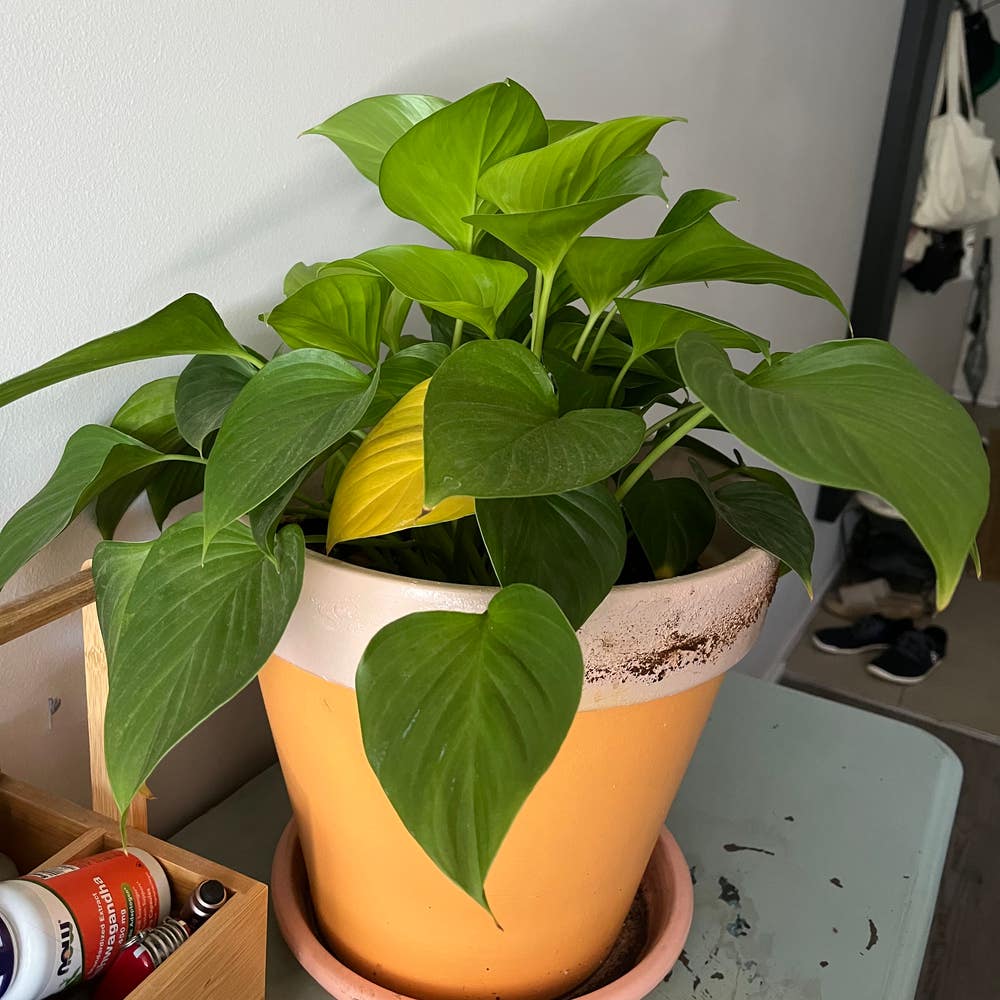
The Ace of Hearts tree is a visual delight, boasting heart-shaped leaves that vary in size and color. These vibrant leaves are not just pretty; they attract a range of herbivores eager to munch on their lush foliage.
🌸 Attractive Flowers
During blooming season, the tree showcases stunning flowers that come in an array of colors. These blossoms not only enhance the tree's aesthetic appeal but also serve as a beacon for pollinators and herbivores alike.
🍏 Young Shoots and Fruits
Young shoots and fruits are particularly enticing to herbivores. The tender new growth is a favorite snack, while the fruits offer a sweet treat that many animals can't resist.
In summary, the Ace of Hearts tree's heart-shaped leaves, vibrant flowers, and succulent young shoots and fruits make it a magnet for various animals. Understanding these appealing features can help you protect your tree while appreciating its role in the ecosystem.
Next, we’ll explore the common herbivores that might be drawn to your Ace of Hearts tree.
Common Herbivores
🦌 Deer
Signs of presence and damage
Deer are often the first culprits when it comes to damage to your Ace of Hearts tree. Look for hoof prints near the base and ragged edges on leaves, which indicate browsing. Stripped bark is another telltale sign of their presence.
Impact on the tree
The impact of deer can be quite harmful. Their feeding habits can lead to stunted growth and make the tree more susceptible to diseases.
Deterrent methods
To keep deer at bay, consider using commercial deer repellents. Alternatively, planting strong-smelling herbs nearby can create a natural barrier.
🐇 Rabbits
Signs of presence and damage
Rabbits leave small, round droppings and often nibble on lower branches. You might also notice cleanly cut stems and leaves, which indicate their feeding habits.
Impact on the tree
Rabbits can severely hinder the growth and development of your tree. Their constant nibbling can stunt its overall health.
Deterrent methods
For easy deterrence, try rabbit repellents available at garden centers. Fencing that stands 2-3 feet high or using predator urine can also help keep them away.
🐿️ Squirrels
Signs of presence and damage
Squirrels are notorious for gnawing on bark and branches. If you see signs of chewed bark or nests in nearby trees, they may be the culprits.
Impact on the tree
The damage caused by squirrels can be quite detrimental. Their gnawing can stress the tree and lead to bark damage.
Deterrent methods
To deter squirrels, consider using squirrel repellents. Installing squirrel baffles on tree trunks can also be an effective organic solution.
🐦 Birds
Signs of presence and damage
Birds can be both friends and foes. Look for pecking marks on fruits and flowers, along with nesting activity in the tree.
Impact on the tree
The impact of birds is mixed. While some may help control pests, others can damage fruits and flowers.
Deterrent methods
To protect your fruits, bird netting is a great option. Additionally, scare devices like reflective tape or wind chimes can help keep them away.
🐭 Rodents
Signs of presence and damage
Rodents often leave burrows near the base of the tree. Gnaw marks on roots and the lower trunk are also clear indicators of their activity.
Impact on the tree
Rodents can be quite harmful, leading to root damage and instability in the tree. Their presence can compromise the overall health of your Ace of Hearts.
Deterrent methods
For rodent control, consider using bait stations. Trapping and natural repellents can also serve as effective organic deterrents.
As you navigate the challenges posed by these common herbivores, remember that a proactive approach can make all the difference. Next, we’ll explore the beneficial animals that can enhance your garden ecosystem.
Beneficial Animals
🐝 Pollinators: Nature's Helpers
Bees and butterflies flock to the Ace of Hearts tree, drawn by its vibrant flowers. These pollinators play a crucial role in fertilizing the blooms, ensuring a bountiful display of fruits.
🦗 Predatory Insects: Guardians of the Garden
Ladybugs and lacewings are the unsung heroes in your garden. They feast on pests like aphids, keeping harmful populations in check and promoting a healthier ecosystem.
🌱 Enhancing Biodiversity
The presence of these beneficial animals enriches the garden's biodiversity. A diverse ecosystem is more resilient, making it easier to withstand pests and diseases.
🌿 Promoting Healthy Plant Growth
With natural pest control in place, your Ace of Hearts tree can thrive. Healthy plants not only look good but also contribute to a balanced environment.
By attracting these beneficial animals, you create a thriving habitat that supports both your tree and the surrounding ecosystem. This balance is essential for long-term garden health and vitality.
Next, let’s explore effective protection strategies to safeguard your tree from potential threats.
Protection Strategies
🛡️ Preventive Measures for Protecting the Tree
To keep your Ace of Hearts tree safe, regular monitoring is essential. Look for signs of herbivore activity, such as tracks or nibbling, to catch issues early.
Implementing physical barriers can also be highly effective. Fencing or netting around the tree can deter many common herbivores from getting too close.
⚠️ Reactive Solutions for Managing Animal Interactions
If you notice damage, act quickly by removing affected parts of the tree. This promotes healing and helps prevent further issues.
Using repellents and traps can also manage animal interactions effectively. Choose options that align with your gardening philosophy, whether chemical or organic.
🌱 Balancing Ecosystem Health While Protecting the Tree
It's crucial to strike a balance between protecting your tree and maintaining a healthy ecosystem. Encourage beneficial species, like pollinators, while finding ways to deter harmful ones.
By fostering a diverse environment, you can enhance the overall health of your garden. This approach not only protects your Ace of Hearts tree but also contributes to a thriving ecosystem.
As you implement these strategies, remember that a proactive and balanced approach will yield the best results. Next, let’s explore the seasonal considerations that affect animal interactions with your tree.
Seasonal Considerations
Understanding the seasonal variations in animal attraction to your Ace of Hearts tree can help you protect it effectively. Each season brings different visitors, each with unique appetites.
🌱 Spring: New Growth Attracts Herbivores
As spring arrives, the tree bursts with fresh young shoots. This tender growth draws increased activity from rabbits and deer, eager to munch on the new foliage.
☀️ Summer: Fruits and Flowers Galore
In summer, the tree's vibrant flowers and ripening fruits become irresistible to squirrels and birds. These critters are not just looking for a snack; they can cause significant damage while feasting.
🍂 Fall: Groundhogs Prepare for Winter
As the leaves begin to change, groundhogs start preparing for winter. Their foraging can lead to damage, especially as they dig around the base of the tree.
🐾 Seasonal Attractions
Different parts of the tree attract animals throughout the seasons:
- Spring: Young shoots are particularly appealing.
- Summer: Fruits become the main attraction in late summer.
- Fall: The tree's remaining fruits and foliage can still entice foragers.
By being aware of these seasonal patterns, you can take proactive steps to safeguard your tree. This knowledge empowers you to create a balanced ecosystem while protecting your beloved Ace of Hearts tree.
Next, we’ll explore how to implement effective protection strategies to keep your tree thriving amidst these seasonal challenges.
Toxicity and Animal Interactions
The Ace of Hearts tree has some mild toxicity in certain parts, particularly in its leaves and seeds. While this can deter some herbivores, it doesn't guarantee safety for all animals.
🦙 Implications for Animal Interactions
The tree's toxicity can create a mixed bag of interactions. Some herbivores may steer clear, while others, like certain insects, might be drawn to it.
Understanding these toxicity levels is crucial for effective management. By knowing which animals are affected, you can better protect your tree while maintaining a healthy ecosystem.
⚖️ Balancing Act
It's a delicate balance between deterring harmful species and attracting beneficial ones. The right approach can enhance your garden's biodiversity while keeping your Ace of Hearts tree thriving.
In the next section, we'll explore protection strategies to safeguard your tree from unwanted visitors while promoting a healthy environment.
⚠️ Safety First
This content is for general information and may contain errors, omissions, or outdated details. It is not medical, veterinary advice, or an endorsement of therapeutic claims.
Always consult a qualified healthcare professional before using any plant as food, medicine, or supplement.
Never eat any plant (or feed one to pets) without confirming its identity with at least two trusted sources.
If you suspect poisoning, call Poison Control (800) 222-1222, the Pet Poison Helpline (800) 213-6680, or your local emergency service immediately.
Spotted an error? Please report it here.
Keep your Ace of Hearts tree thriving 🌱 by using Greg's personalized tips to deter herbivores and maintain a healthy garden ecosystem!