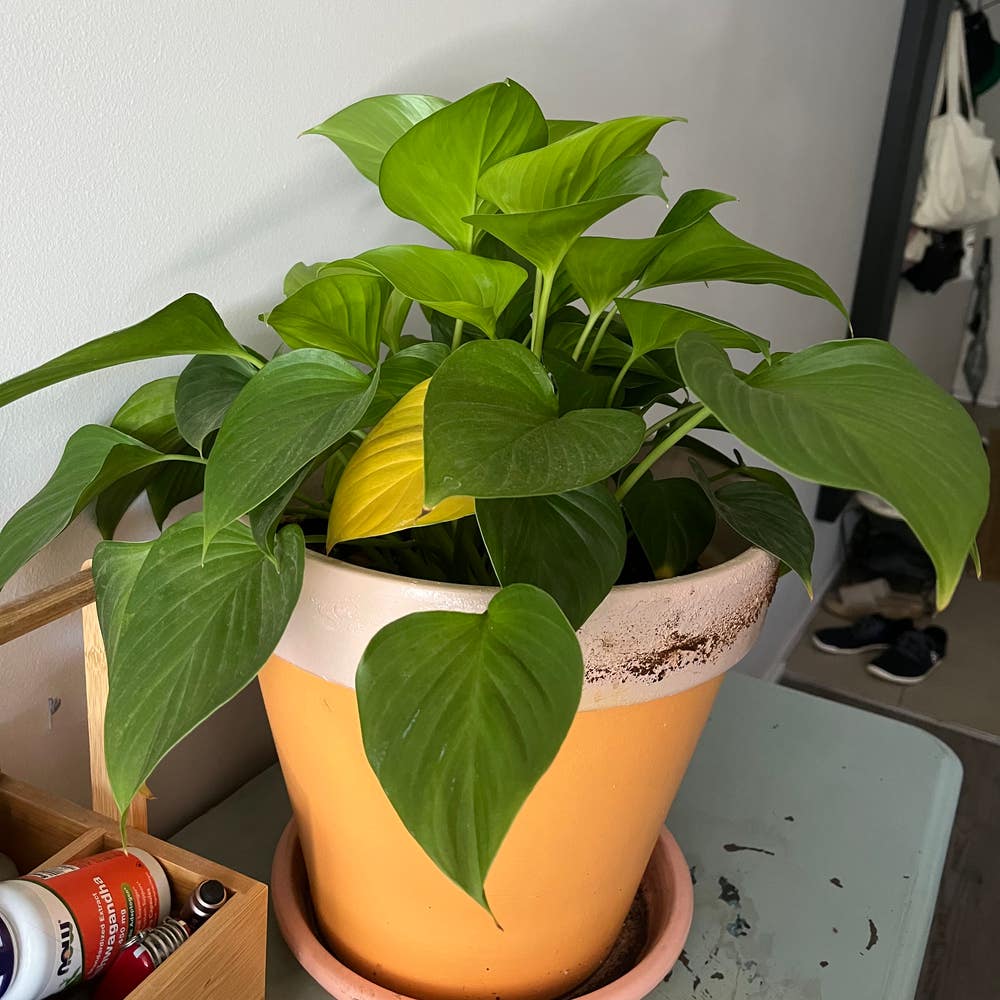
Why Are My Homalomena rubescens Leaves Mushy?
Homalomena rubescens
By the Greg Editorial Team
Apr 07, 2024•4 min read
This article was created with the help of AI so we can cover more plants for you. May contain errors. See one? Report it here.
- Overwatering causes mushiness: Adjust watering and use well-draining pots.
- Root rot signs: Mushy leaves, foul odor, and black roots—trim and repot.
- Balance humidity and airflow: Maintain 60-80% RH and ensure good circulation.
When Overwatering Takes a Toll
🚱 Spotting Overwatering Symptoms
Overwatering can leave your Homalomena rubescens with mushy leaves and a sad disposition. If the leaves feel like a wet sponge, you're in too deep. Soggy soil is a telltale sign; it should feel moist, not like a marshland. Yellowing leaves, a musty odor, and a pot that weighs a ton are all cries for less water.
Fine-Tuning Your Watering Routine
To prevent a mushy catastrophe, let the soil dry out between waterings. Stick your finger in; if it's damp, skip the waterworks. Consistency is key—create a watering schedule that aligns with your plant's actual thirst. Ensure your pot has drainage holes to avoid soggy soil scenarios. Pot size matters; a too-large pot holds excess water, leading to root rot. Adjust your watering intervals with the seasons—plants drink less in winter.
The Root of the Problem: Root Rot
🚨 Recognizing Root Rot in Homalomena rubescens
Root rot in Homalomena rubescens is like a stealthy invader, often going unnoticed until the leaves become mushy. Beyond the telltale mushiness, look for roots that are brown or black instead of a healthy white, and feel for a texture that's more sponge than solid. A stench of decay is another red flag, signaling that the roots are in distress. If the roots crumble at a mere touch, it's past time for intervention.
🛠 Turning the Tide Against Root Rot
Combatting root rot requires swift and decisive action. Stop watering immediately and gently remove your plant from its pot to assess the damage. Snip off the rotten roots with sterilized shears, leaving only the healthy tissue. Repotting is next—choose a pot that's not too spacious but has ample drainage holes. A well-draining soil mix is crucial for recovery, providing a fresh start for your Homalomena rubescens. Remember, prevention is key: water judiciously, and ensure your plant's home isn't a breeding ground for moisture-loving fungi.
Soil and Repotting: The Foundation of Health
💧 Assessing Soil Drainage
Well-draining soil is non-negotiable for Homalomena rubescens. Soggy soil is a one-way ticket to mushy leaf city. To check if your soil drains like a champ, water it. If the water sits on top longer than a bad joke at a party, it's time to amend. Mix in perlite or orchid bark to get that airy, loose structure that roots crave.
🌱 Repotting for Recovery
When leaves go mushy, it might be repotting time. Every 1 to 2 years or when the plant looks like it's trying to escape its pot, give it a new home. Choose a pot that's a size up with drainage holes—non-negotiable. Go for a soil mix that's the plant equivalent of a breathable raincoat—protective yet airy. A blend of potting mix, orchid bark, and charcoal hits the sweet spot, allowing roots to breathe and preventing waterlogged tragedies.
Balancing Humidity and Airflow
💦 Getting Humidity Just Right
Homalomena rubescens thrives in tropical humidity levels, ideally between 60-80% RH. To gauge and maintain this, invest in a hygrometer—your go-to tool for humidity tracking. Adjusting indoor humidity can be as simple as using a humidifier or placing your plant on a pebble tray with water. Grouping plants together can also create a microclimate that boosts ambient moisture. However, avoid creating a rainforest vibe; it's about balance, not extremes.
🌬️ Encouraging Good Air Circulation
Airflow is crucial for keeping leaves dry and healthy. Stagnant air invites pests and diseases, while a gentle breeze can prevent these issues. A fan can provide adequate air movement, but avoid placing your Homalomena rubescens in the path of harsh drafts. Ensure there's enough space around your plant for air to circulate freely. Remember, good air circulation is as vital as the right humidity—both work together to keep your plant in top condition.
⚠️ Safety First
This content is for general information and may contain errors, omissions, or outdated details. It is not medical, veterinary advice, or an endorsement of therapeutic claims.
Always consult a qualified healthcare professional before using any plant as food, medicine, or supplement.
Never eat any plant (or feed one to pets) without confirming its identity with at least two trusted sources.
If you suspect poisoning, call Poison Control (800) 222-1222, the Pet Poison Helpline (800) 213-6680, or your local emergency service immediately.
Spotted an error? Please report it here.
Prevent root rot and overwatering 🚫 in your Homalomena rubescens with Greg's custom watering reminders, ensuring a perfectly balanced environment for your lush green friend.