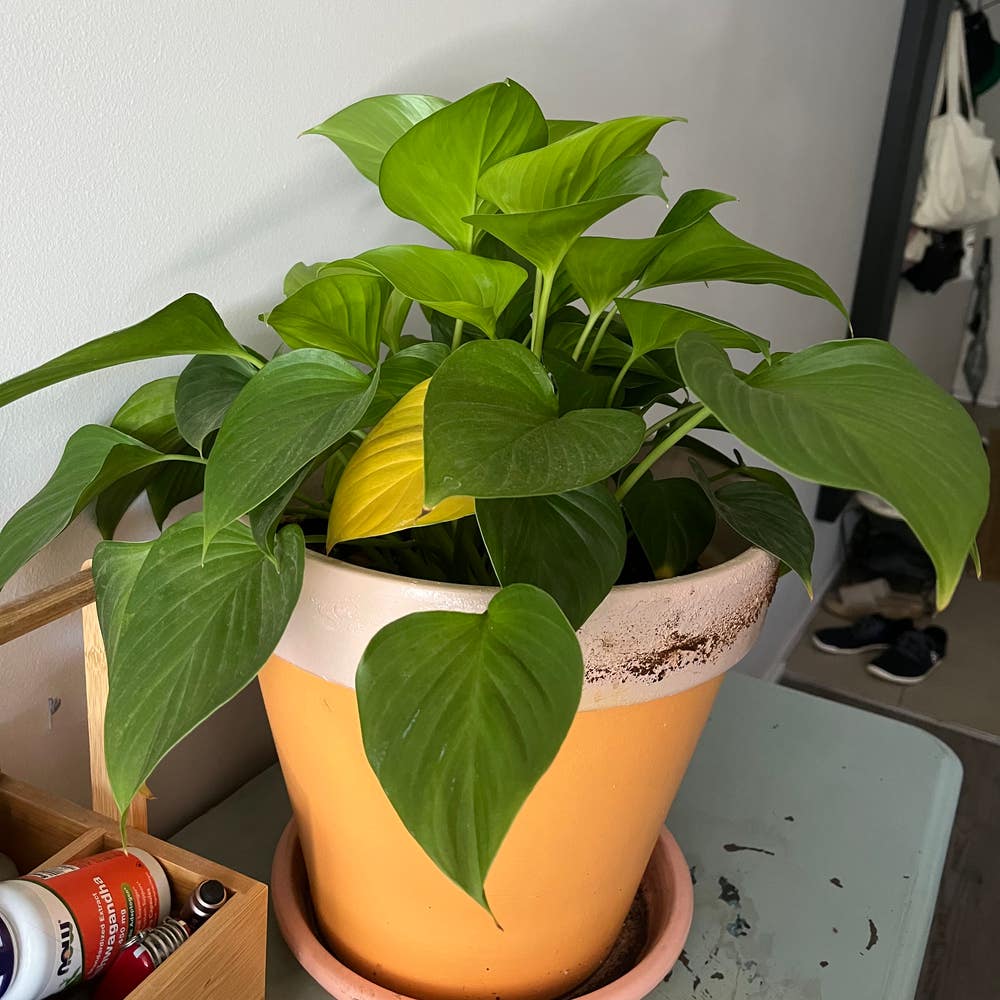
❤️ Ace of Hearts Tree Hardiness Zones Ultimate Guide: 10a-12b
Homalomena rubescens
By the Greg Editorial Team
Oct 17, 2024•4 min read
This article was created with the help of AI so we can cover more plants for you. May contain errors. See one? Report it here.
- 🌳 Ace of Hearts Tree thrives in USDA zones 10a-12b, ideal for warm climates.
- ❄️ Frost sensitivity means plant after the last frost for best results.
- 🌞 Full sun and well-draining soil are crucial for healthy growth and vitality.
Temperature Tolerance
❄️ Cold Tolerance Specifics
The Ace of Hearts Tree can withstand minimum temperatures down to 30°F (-1°C). However, it is sensitive to frost damage, making it crucial to plant this tree after the last frost date to ensure its health.
🔥 Heat Tolerance Specifics
On the flip side, this tree thrives in maximum temperatures up to 100°F (38°C). It particularly benefits from consistent moisture during extreme heat, which helps maintain its vitality and growth.
Understanding these temperature tolerances is essential for successful cultivation. By planting in the right conditions, you can enjoy the beauty of the Ace of Hearts Tree in your garden.
Ideal Growing Regions
Examples of Suitable US States (10a-12b) 🌳
The Ace of Hearts Tree flourishes in several warm regions across the United States.
- California: Particularly in coastal areas and the southern regions, the climate is perfect for this tree.
- Florida: Central and southern parts enjoy consistently warm temperatures, ideal for growth.
- Texas: The southern regions, especially near the coast, provide a suitable environment.
- Hawaii: The entire state, with its tropical climate, is naturally suited for this vibrant tree.
Factors Contributing to Ideal Conditions 🌞
Several key factors ensure the Ace of Hearts Tree thrives in these regions.
- Warm Climate: A warm climate is essential for the tree's growth and overall health.
- Soil Type: Well-draining, fertile soil significantly enhances growth potential.
- Sunlight Exposure: Full sun is crucial for optimal health and robust growth.
Understanding these ideal conditions can help you choose the right location for planting. By selecting the right region and ensuring proper care, you can enjoy the beauty of the Ace of Hearts Tree in your landscape.
Next, let’s explore how microclimates can impact the growth of this stunning tree.
Microclimates and Their Impact
🌍 Definition and Benefits
Microclimates are small areas that experience different climate conditions compared to their surrounding regions. These unique environments can create warmer conditions, making them ideal for growing plants like the Ace of Hearts Tree, even outside typical hardiness zones.
The benefits of microclimates are significant. They can extend the growing season and protect sensitive plants from harsh weather. By leveraging these localized conditions, gardeners can cultivate a wider variety of plants successfully.
🌱 Strategies for Utilizing Microclimates
To make the most of microclimates, consider these effective strategies:
Planting Near Walls
Positioning your Ace of Hearts Tree near a south-facing wall can provide extra warmth. The wall absorbs sunlight during the day and radiates heat at night, creating a cozy microenvironment.
Using Windbreaks
Windbreaks, such as fences or hedges, can shield your plants from cold winds. This protection helps maintain a stable temperature, reducing the risk of frost damage.
Selecting Sheltered Locations
Look for naturally sheltered spots in your garden, like valleys or areas surrounded by taller plants. These locations often have milder temperatures, making them perfect for nurturing your Ace of Hearts Tree.
By understanding and utilizing microclimates, you can enhance your gardening success. This knowledge allows you to create optimal conditions for your plants, leading to healthier growth and vibrant blooms.
Next, let's explore the state-level suitability for the Ace of Hearts Tree, focusing on where it thrives best across the U.S.
State-Level Suitability Analysis
🌳 Suitable States for Ace of Hearts Tree
The Ace of Hearts Tree thrives in several warm regions across the United States.
California: This state offers ideal conditions, especially in its coastal and inland areas, where temperatures remain consistently warm.
Florida: Known for its tropical climate, Florida provides consistently warm temperatures throughout the year, making it a perfect home for this tree.
Texas: The southern regions of Texas enjoy mild winters, allowing the Ace of Hearts Tree to flourish.
Hawaii: With its tropical environment, Hawaii is naturally suited for growing the Ace of Hearts Tree.
❌ Unsuitable States and Reasons Why
Not every state can support the Ace of Hearts Tree's growth.
North Dakota: This state experiences extremely cold winters, far below the tree's minimum temperature tolerance.
Minnesota: Harsh winters and prolonged frost periods make it unsuitable for this tree.
Maine: The cold climate, characterized by an early first frost and a late last frost, poses a significant risk.
Colorado: High elevation areas in Colorado face unpredictable frost patterns, which can be detrimental to the tree's health.
📉 Summary of Unsuitable Conditions
Frost sensitivity is a major concern for the Ace of Hearts Tree.
Unsuitable states often experience temperatures that frequently drop below the tree's cold tolerance. Additionally, regions with significant temperature fluctuations create inconsistent growing conditions, hindering successful growth.
Understanding these factors can help you choose the right location for planting your Ace of Hearts Tree, ensuring it thrives in its new home. Next, let’s explore how microclimates can further enhance your growing experience.
⚠️ Safety First
This content is for general information and may contain errors, omissions, or outdated details. It is not medical, veterinary advice, or an endorsement of therapeutic claims.
Always consult a qualified healthcare professional before using any plant as food, medicine, or supplement.
Never eat any plant (or feed one to pets) without confirming its identity with at least two trusted sources.
If you suspect poisoning, call Poison Control (800) 222-1222, the Pet Poison Helpline (800) 213-6680, or your local emergency service immediately.
Spotted an error? Please report it here.
Ensure your Ace of Hearts Tree thrives in warm climates 🌞 by using Greg's tailored care reminders to navigate its hardiness zones and microclimates for optimal growth!