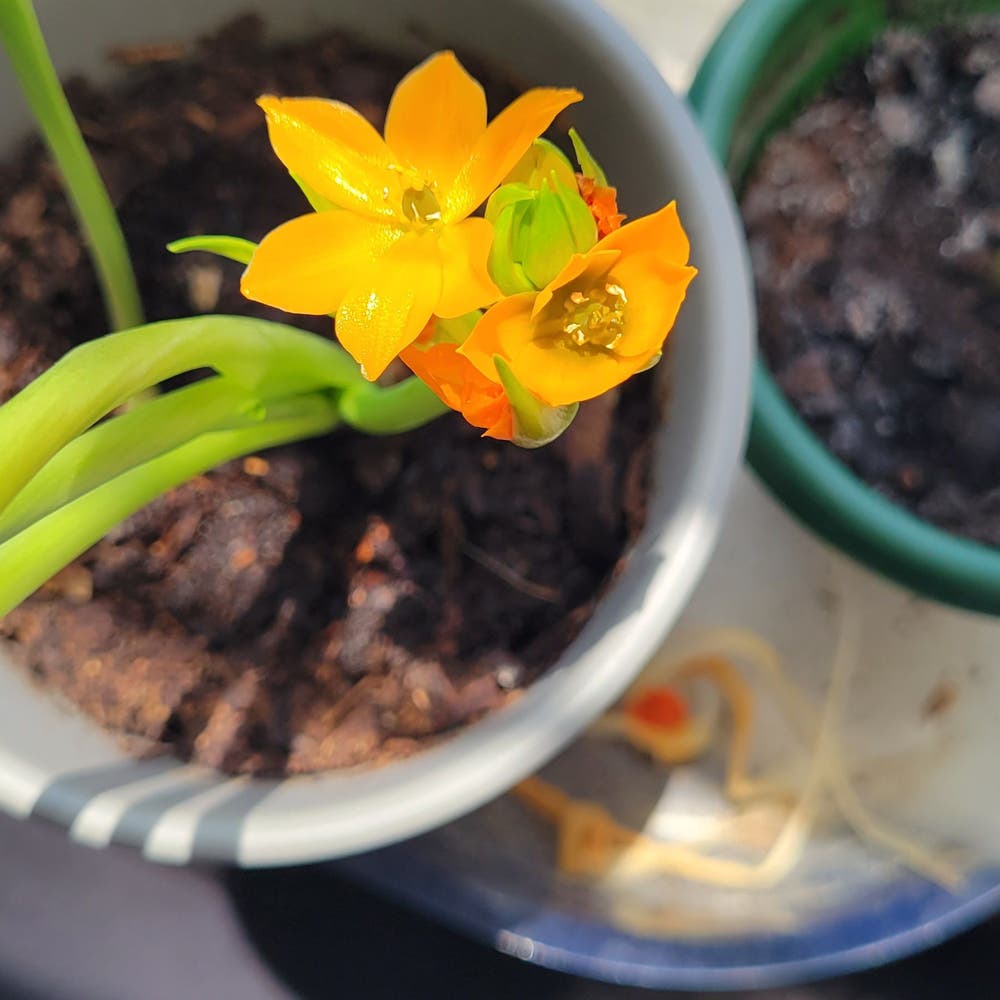
🌞 Sunstar Flower Is Not an Annual
Ornithogalum dubium
By the Greg Editorial Team
Oct 16, 2024•5 min read
This article was created with the help of AI so we can cover more plants for you. May contain errors. See one? Report it here.
Transform your garden with the resilient Sunstar flower, a vibrant addition that thrives year after year! 🌼
- 🌼 Sunstar flowers are perennials, thriving for years and blooming multiple times annually.
- 🌱 Their deep roots enhance resilience, ensuring nutrient uptake and water retention.
- 🌍 Misclassified as annuals, Sunstars adapt to climates, promoting long-term garden beauty.
Genetic and Physiological Characteristics
🌱 Long-term Lifecycle
The Sunstar flower boasts a remarkable lifespan, often living for several years. This longevity allows it to thrive in various environments, focusing on sustained growth rather than a quick life cycle.
Dormancy is a key feature of its lifecycle. During unfavorable conditions, the Sunstar flower can enter a dormant state, conserving energy until the environment becomes more hospitable.
📈 Growth Patterns
One of the Sunstar's standout traits is its deep and extensive root system. These roots not only support nutrient uptake but also enhance water retention, making the plant resilient in varying conditions.
Seasonally, the Sunstar flower emerges in spring, with its growth peaking during the summer months. This predictable pattern ensures that it maximizes its potential for flourishing.
🌼 Reproductive Strategies
The seeds of the Sunstar flower are incredibly resilient, remaining viable for several years. This adaptability is crucial for survival across different seasons, ensuring that the plant can continue to propagate.
In terms of flowering strategy, the Sunstar produces blooms multiple times a year. This repeated flowering enhances its chances of successful pollination, contributing to its long-term survival and growth.
With these genetic and physiological characteristics, the Sunstar flower stands out as a perennial marvel. Its unique adaptations not only ensure its survival but also make it a valuable addition to any garden.
Next, we'll explore the implications of its perennial nature, focusing on how these traits affect its growth and flowering cycles.
Implications of Perennial Nature
Effects on Growth and Flowering Cycles 🌼
The sunstar flower showcases a predictable growth cycle, with its vibrant blooms typically appearing from late spring to summer. This consistency not only adds beauty to gardens but also allows gardeners to plan their planting schedules effectively.
Adapting to seasonal changes is crucial for the sunstar flower. Its ability to thrive through varying conditions ensures that it maintains a reliable blooming pattern, making it a favorite among perennial enthusiasts.
Differences in Seed Production 🌱
One of the standout features of the sunstar flower is its capacity for seed production over multiple seasons. Unlike annuals, which focus their energy on a single seed set, the sunstar continuously produces seeds, enhancing its chances of survival.
This strategy reflects a broader resource allocation approach. The sunstar prioritizes sustaining growth and flowering, rather than solely concentrating on seed production, which is a hallmark of its perennial nature. This focus allows it to flourish year after year, enriching gardens with its presence.
As we explore further, understanding common misconceptions about the sunstar flower will shed light on its true nature and help gardeners appreciate its unique qualities.
Common Misconceptions
Situations Leading to Misclassification 🌪️
Misunderstandings about the Sunstar flower often arise in harsh climates. In regions with extreme weather, its growth may be stunted, leading gardeners to mistakenly classify it as an annual.
Poor soil conditions can also contribute to this confusion. Limited resources can hinder growth, making the plant appear less perennial than it truly is.
Regional Variations 🌍
Climate plays a significant role in shaping the growth patterns of the Sunstar flower. Different climates can either enhance or inhibit its longevity and blooming cycles.
Soil quality is another critical factor. Poor soil can lead to reduced vigor, further complicating the distinction between perennials and annuals.
Understanding these misconceptions can help gardeners appreciate the true nature of the Sunstar flower. With the right conditions, this resilient plant can thrive and bring beauty to any garden.
Next, let’s explore how the perennial nature of the Sunstar flower impacts garden design and planting strategies.
Garden Design and Planting Strategies
Advantages in Perennial Gardens 🌼
Perennial gardens offer a wealth of benefits that make them a favorite among gardeners. Their longevity means you can enjoy a vibrant floral display year after year, significantly reducing the need for annual replanting.
Additionally, these gardens enhance biodiversity. By attracting pollinators like bees and butterflies, they create a lively ecosystem that supports various plant and animal life.
Tips for Integration 🌱
To maximize the impact of your perennial plants, consider planting them in groups. Clusters not only create a stunning visual effect but also support pollinator activity, making your garden a buzzing hub of life.
Companion planting is another effective strategy. Pairing perennials with other plants can foster a diverse ecosystem, promoting healthy growth and resilience against pests.
Management and Longevity
Best Practices for Management 🌱
Watering is crucial for the sunstar flower's health. Ensure consistent moisture, especially during dry spells, to keep your plants thriving.
Fertilization also plays a key role. Use balanced fertilizers during the active growing season to support robust growth and vibrant blooms.
Maximizing Longevity 🌼
Pruning is essential for encouraging more blooms. Regularly deadhead spent flowers to promote new growth and prevent disease.
Mulching is another effective strategy. Apply mulch to retain soil moisture and suppress weeds, creating a healthier environment for your sunstar flowers.
By following these management practices, you can enjoy the beauty of sunstar flowers for years to come. This not only enhances your garden but also supports a thriving ecosystem.
⚠️ Safety First
This content is for general information and may contain errors, omissions, or outdated details. It is not medical, veterinary advice, or an endorsement of therapeutic claims.
Always consult a qualified healthcare professional before using any plant as food, medicine, or supplement.
Never eat any plant (or feed one to pets) without confirming its identity with at least two trusted sources.
If you suspect poisoning, call Poison Control (800) 222-1222, the Pet Poison Helpline (800) 213-6680, or your local emergency service immediately.
Spotted an error? Please report it here.
Unlock the perennial beauty of Sunstar flowers 🌼 with Greg's tailored watering reminders and expert care tips, ensuring your garden flourishes season after season!