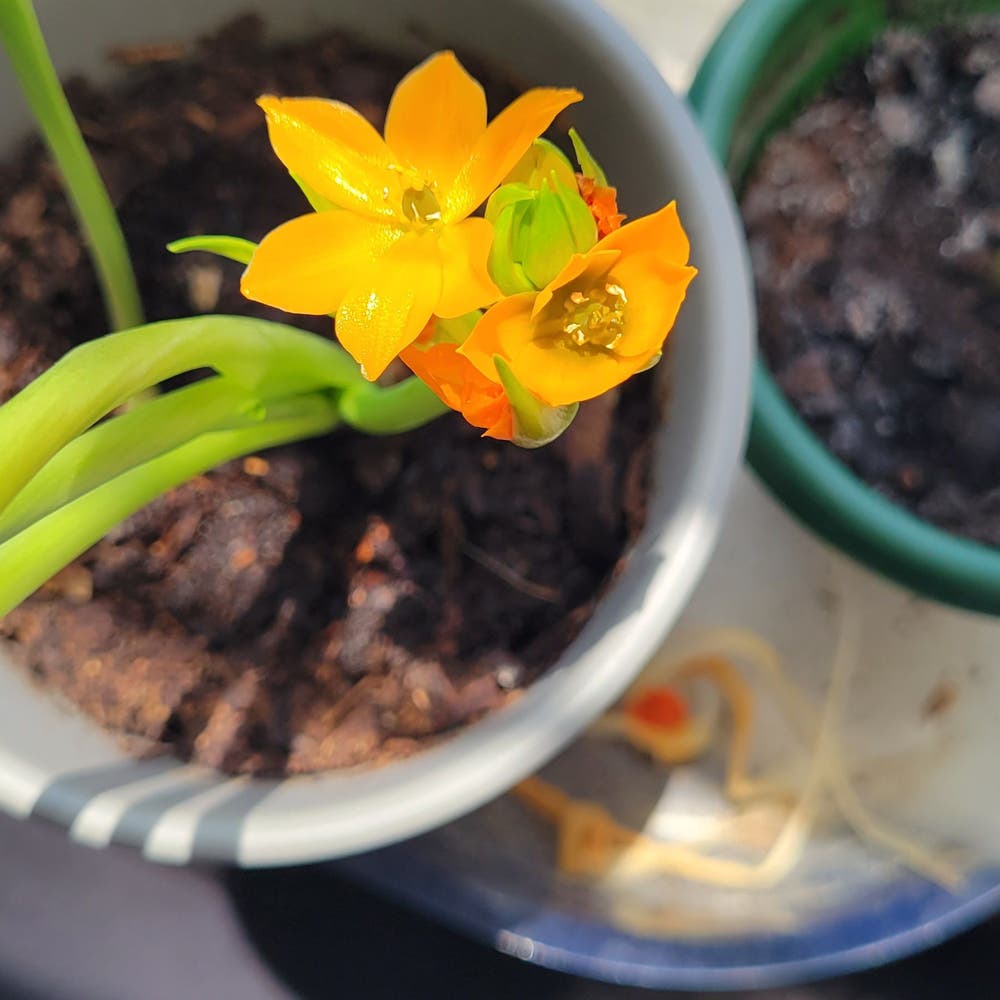
🌞 Does My Sun Star Need Direct Sunlight?
Ornithogalum dubium
By the Greg Editorial Team
Jun 18, 2024•4 min read
This article was created with the help of AI so we can cover more plants for you. May contain errors. See one? Report it here.
Nurture a vibrant Sun Star 🌟 by balancing its sunlight diet—avoid the burn and bask in growth!
- 🌞 Bright, indirect sunlight is ideal for Sun Stars, avoiding midday harshness.
- 🧭 South or east-facing windows offer the best light without the scorch.
- 🌱 Adjust light with seasons and use curtains or artificial light as needed.
Sun Star's Sunlight Preferences: A Delicate Dance
🌞 Can Sun Star Handle the Heat of Direct Sun?
Sun Stars are sun seekers but have their limits. They thrive under bright conditions but may wilt under the harsh midday sun. Moderation is key; a little morning or late afternoon sun can be beneficial, but they should be shielded from intense midday rays.
🧭 Window Direction: A Compass for Sun Star's Sunbathing
South-facing windows are the go-to for Sun Stars, offering ample light without the scorch of direct afternoon beams. East-facing windows provide a gentle morning light, perfect for easing your plant into the day. West-facing windows can be too intense, so consider a sheer curtain to soften the blow. North-facing windows? Not enough light for these sun-loving plants.
🌍 Hemisphere Hints: Seasonal Sun Star Sunlight Guide
Your geographical location plays a crucial role in managing sunlight exposure for Sun Stars. In the Northern Hemisphere, south-facing windows maximize winter light, while in the Southern Hemisphere, north-facing windows do the trick. Remember, seasons change, and so should your plant's position to ensure it gets the right amount of sun year-round.

Crafting the Perfect Sunlight Cocktail for Your Sun Star
🌞 The Goldilocks Zone: Not Too Much, Not Too Little
Finding the sweet spot of sunlight is crucial for your Sun Star's health and beauty.
🎯 Recognizing the Ideal Light
Your Sun Star craves bright, indirect light. Direct sunlight can be too intense, especially during the scorching midday hours. Aim for a location that basks in the gentle morning sun or enjoys the softer afternoon rays.
🏡 Location Matters
East or west-facing windows are typically your best bet. They provide the light your Sun Star needs without the harshness of a southern exposure in the summer or the dimness of a northern one in winter.
⏰ Sunlight Schedule: Timing is Everything
Timing your Sun Star's sun exposure can make or break its growth cycle.
🌅 Morning Glory
Let your plant soak in the morning sunlight when it's less intense. This can help stimulate growth without the risk of sunburn.
🌆 Afternoon Siesta
As the sun climbs, consider drawing a sheer curtain to diffuse the light. This mimics the dappled sunlight of the Sun Star's natural habitat and prevents leaf scorch.
🌍 Seasonal Shifts
Be mindful of the changing angle of the sun with the seasons. What's a perfect spot in summer may be a solar frying pan in winter, or vice versa. Adjust your plant's position accordingly.
💡 Artificial Assistance
Don't shy away from using grow lights if your abode is more cave than greenhouse. Just remember to keep them at a safe distance to avoid leaf burn and to mimic natural daylight hours for the best results.

When the Sun Star Gets Sunburned: Dealing with Too Much Light
⚠️ Spotting the Signs of Sunlight Stress
Leaves that look like they've been in a tanning bed too long are crying out for help. Discoloration—think bleached or brown patches—is your Sun Star's version of an SOS. Crispy or wrinkled texture? That's the botanical equivalent of a nasty sunburn. If your plant's sporting these signs, it's time to rethink its sunbathing habits.
🛠️ Quick Fixes for a Sun-Scorched Sun Star
Caught your Sun Star turning into a crisp? Relocate it to a shadier spot, stat. Think of it as a plant ICU where the light is gentle and healing. Hydration is your next best friend; water deeply to help it recover, but don't drown it—no plant likes waterlogged feet. If you're dealing with a severe case, consider pruning the damaged parts—after the heat wave passes, of course. And remember, acclimating to new light conditions should be a slow dance, not a race.

Sun Star Sunlight FAQs
💡 Can I Use Artificial Light?
When the sun's on vacation, artificial light steps in. Fluorescent or LED grow lights can supplement daylight, but they're the side dish, not the main course. Keep them as a backup singer, not the lead vocalist.
💡 What About Cloudy Days?
Cloudy days are like uninvited guests for your Sun Star—they show up, but they don't bring the party. On these days, extra light from your grow lights can keep the vibe alive. Just remember, your Sun Star can't live on artificial light alone—it's a sun worshipper at heart.
⚠️ Safety First
This content is for general information and may contain errors, omissions, or outdated details. It is not medical, veterinary advice, or an endorsement of therapeutic claims.
Always consult a qualified healthcare professional before using any plant as food, medicine, or supplement.
Never eat any plant (or feed one to pets) without confirming its identity with at least two trusted sources.
If you suspect poisoning, call Poison Control (800) 222-1222, the Pet Poison Helpline (800) 213-6680, or your local emergency service immediately.
Spotted an error? Please report it here.
Find the perfect light for your Sun Star to thrive without the sunburn by letting Greg pinpoint 📍 the ideal spot in your home, ensuring vibrant growth and health.