🌞 What Temperature Should My Sun Star Be Kept At?
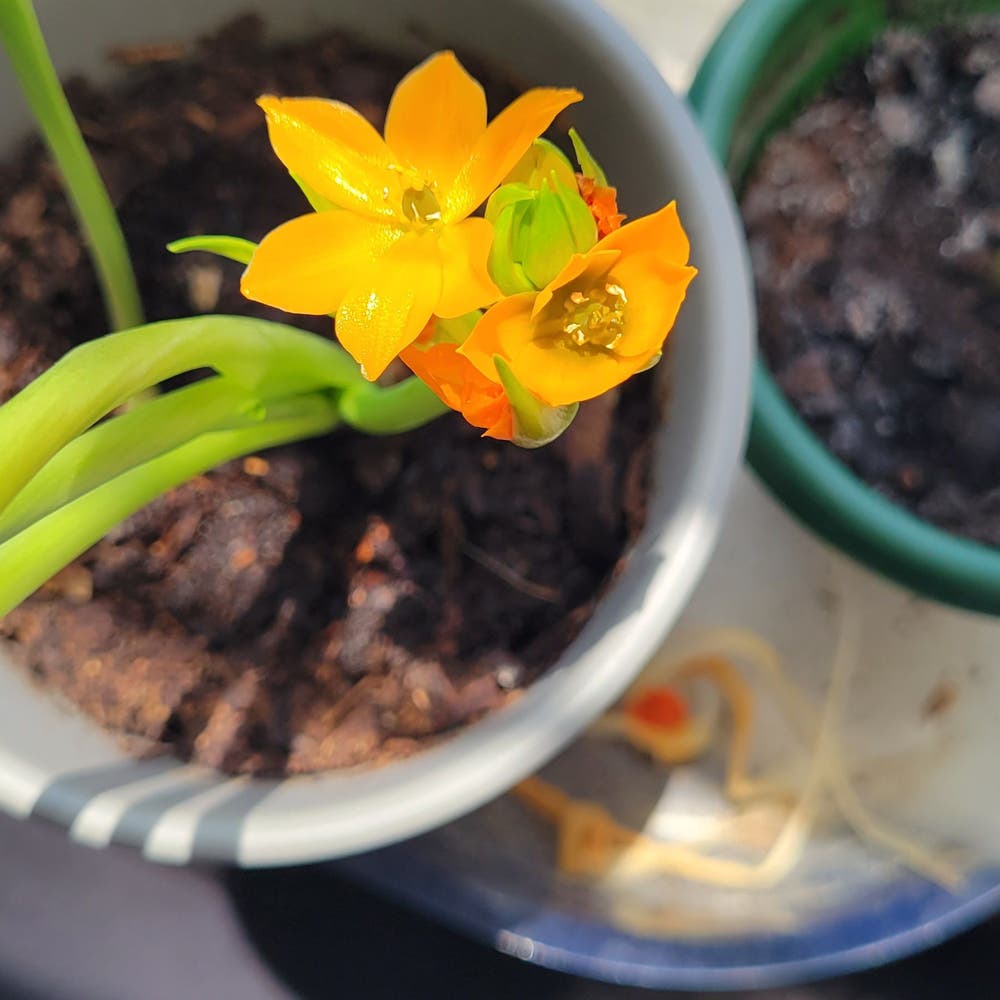
Ornithogalum dubium
By the Greg Editorial Team
Jun 18, 2024•3 min read
This article was created with the help of AI so we can cover more plants for you. May contain errors. See one? Report it here.
Discover the secret to a flourishing Sun Star 🌟—perfect temps mean perfect blooms! 🌺
- 65-75°F (18-24°C) is ideal for Sun Star health and growth.
- 🌡️ Consistent temperature prevents stress, ensuring steady blooming.
- Protect from extremes with insulation and gradual location changes.
Dialing in the Perfect Temperature for Your Sun Star
🌡️ What's the Magic Number?
The sweet spot for your Sun Star's temperature is between 65-75°F (18-24°C). This range mimics the plant's natural habitat, providing a cozy environment for growth without the risk of heat stress or chill damage.
🗝️ Why Consistency is Key
Steady temperatures prevent your Sun Star from throwing a fit. Fluctuations are like unexpected plot twists in a thriller—exciting for us, but stressful for plants. Keep the environment predictable, and your Sun Star will reward you with steady growth and vibrant health.

When Your Sun Star Feels the Heat (or the Cold)
🌡️ Spotting the Signs of Temperature Trouble
Sun Stars, like any plant, have their discomfort tells. Overheating can cause leaves to sport sunburned spots or take on a leathery texture. Conversely, cold stress might manifest as browning stems—a surefire sign your plant is not vibing with the chill.
🚑 Quick Fixes for Temperature Tantrums
When your Sun Star throws a temperature tantrum, act fast. Too hot? Move it out of that scorching sunspot to somewhere with more indirect light. Too cold? Find a warmer spot, stat. And remember, no dramatic moves—gradual changes are your Sun Star's best friend.

Common Culprits: What Throws Off Your Sun Star's Comfort Zone?
🌬️ Seasonal Shifts and Indoor Drafts
Navigating the seasonal dance with your Sun Star means being attuned to the shifting choreography of the elements. Winter's weak sunlight might lure you into placing your plant closer to the window, but come summer, those same rays turn into a scorching spotlight. It's not just about the sun, though. Indoor drafts—the sneak attacks from open windows or the icy breath of air conditioning—can ambush your plant's comfort zone.
🛡️ Protecting Your Plant from Extremes
Bubble wrap isn't just for packing; it's your Sun Star's winter coat. Wrap it around the pot when the mercury plummets. And when your heating system kicks in, creating a desert-like dryness, consider a plant cloche to lock in some humidity. It's like a mini greenhouse, a sanctuary from the seesawing indoor climate. Remember, your Sun Star isn't a fan of surprises. Keep its environment as predictable as a well-loved routine, and you'll dodge those temperature tantrums.

The Bloom or Gloom: Temperature's Role in Flowering
🌡️ Warmth and Blooms: Making the Connection
Sun Stars are like the divas of the plant world when it comes to blooming—they need their environment just right. The ideal temperature range for these botanical beauties is between 62°F to 71°F (17°C to 21°C). It's this sweet spot that coaxes out those vibrant flowers, making your plant the envy of the neighborhood. Keep it too cool, and your Sun Star might as well be hibernating. Too warm, and it could throw a full-blown tantrum, withholding those precious blooms as if on strike.
🥶 When Temperatures Drop: The Effect on Flowering
Now, if the mercury dips too low, below 5°C (41°F), your Sun Star could be in trouble. Think of it as a tropical vacation gone wrong—your plant will start showing signs of distress, and not the good kind. Flowering could be stunted or, worse, your Sun Star might skip the performance altogether. It's like expecting a Broadway show and getting a high school musical dress rehearsal instead. Keep your plant away from drafts and cold windows, especially during the winter, to avoid this chilling scenario.
⚠️ Safety First
This content is for general information and may contain errors, omissions, or outdated details. It is not medical, veterinary advice, or an endorsement of therapeutic claims.
Always consult a qualified healthcare professional before using any plant as food, medicine, or supplement.
Never eat any plant (or feed one to pets) without confirming its identity with at least two trusted sources.
If you suspect poisoning, call Poison Control (800) 222-1222, the Pet Poison Helpline (800) 213-6680, or your local emergency service immediately.
Spotted an error? Please report it here.
Ensure your Sun Star thrives in the perfect climate without the stress 🌟, with Greg's tailored environment tracking and care tips!