How to Get a Leatherleaf Fern to Bloom
Rumohra adiantiformis
By the Greg Editorial Team
Jun 15, 2024•4 min read
This article was created with the help of AI so we can cover more plants for you. May contain errors. See one? Report it here.
- Bright, indirect light enhances Leatherleaf Fern spore production.
- Maintain 60-75°F and high humidity for a fern-friendly habitat.
- Balanced fertilization supports lush fronds and spore development.
Optimizing Spore Production in Leatherleaf Fern
💡 The Role of Light
Leatherleaf Ferns are shade aficionados, preferring a life away from the limelight. To maximize spore production, bright, indirect light is the sweet spot. Direct sun is a no-go—it's like inviting a vampire to a beach party. Instead, think of a spot that's well-lit but shielded, akin to the dappled light of a forest understory.
🌡️ Temperature and Humidity: The Dynamic Duo
Temperature plays a pivotal role in the fern's comfort. Keep it cozy between 60-75°F (15-24°C). Anything below 50°F (10°C) or above 85°F (29°C) and your fern might start giving you the cold shoulder—or worse, the silent treatment.
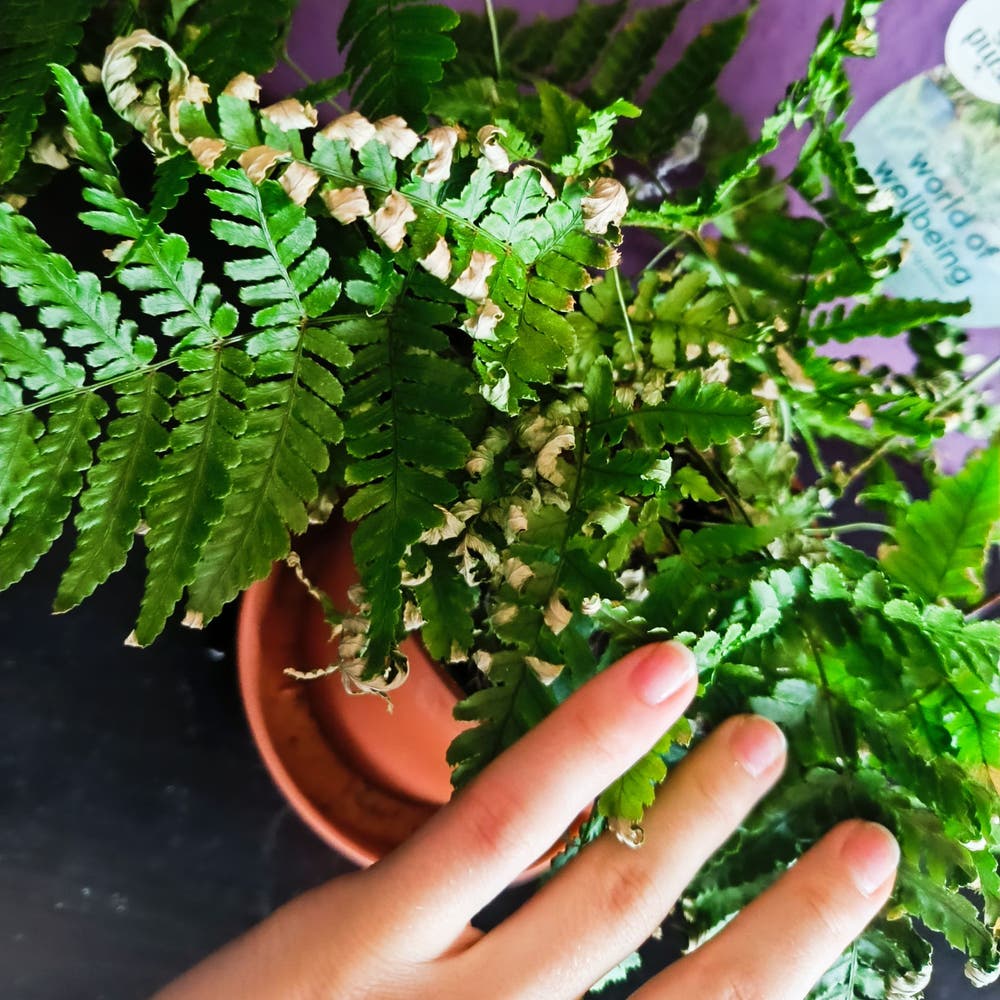
Humidity is the fern's best friend; without it, expect tantrums in the form of brown, crispy fronds. Aim for a high humidity environment. You can achieve this by placing a humidifier nearby or setting up a pebble tray with water to let evaporation do the heavy lifting. It's like creating a mini tropical getaway right in your living room.
🌿 Mimicking the Natural Habitat
To encourage your Leatherleaf Fern to produce spores, think like a fern. Adjusting your indoor conditions to mirror the fern's natural habitat is key. This means maintaining a stable environment—no dramatic temperature swings or arid conditions. It's about creating a consistent, nurturing space that says, "Hey, it's okay to reproduce here."
Remember, while you can't make a Leatherleaf Fern bloom, you can certainly optimize conditions for spore production. It's a bit like setting the stage for a play—the right lighting, temperature, and humidity are your stagehands, ensuring the show goes on without a hitch.

Nutrient Requirements for Healthy Ferns
🌿 Key Nutrients for Leatherleaf Ferns
Leatherleaf Ferns thrive on balance. They demand a cocktail of nutrients, with nitrogen (N), phosphorus (P), and potassium (K) being the headliners. A 10-10-10 or 20-20-20 balanced fertilizer is their jam, served up every 2-3 weeks during the growth season. Overdoing it? That's a no-go—think of it as a plant's junk food binge.
💡 Fertilization Strategies
When fertilizing, think rhythm and routine. Your fern's not craving an all-you-can-eat buffet but a consistent diet. Micronutrients are the unsung heroes here, so ensure your fertilizer mix isn't just a one-hit wonder. And remember, the soil is part of the band—aim for a mix rich in organic matter, like a blend of peat moss, perlite, and vermiculite.
🚫 When to Hold Back
Keep an eye out for the tell-tale signs of nutrient overload—yellowing leaves waving a white flag. If you spot trouble, ease up on the plant food. And don't forget, fish emulsion is like a fern's favorite smoothie, packed with goodness without the sugar crash.
🎉 The Real Deal on "Blooming"
Let's set the record straight: Leatherleaf Ferns won't serenade you with flowers. But when they're fed right, their spore production goes into overdrive. That's their version of a standing ovation. So, while you won't get blooms, a well-nourished fern is a sight to behold, with lush, glossy fronds that'll make your heart sing.

Addressing Common Misconceptions About Fern Blooms
🌿 Why Leatherleaf Ferns Don't Flower
Leatherleaf Ferns don't bloom with flowers; they reproduce through spores. This is a hard truth for bloom-lovers, but ferns have their own unique charm. A healthy fern boasts lush green fronds and a robust appearance, not petals or buds.
🔍 Spotting Spore-Bearing Structures
To spot the spore-bearing structures, flip a frond and look for small brown dots or lines. These are sori, packed with potential new ferns. Encouraging their growth involves mimicking the fern's natural humid and shaded habitat.
🌱 Encouraging Spore Growth
To give your fern a spore production boost, think damp socks in a rainforest – moist and warm. Keep the soil consistently damp and the air humid. A bathroom with a shower can be a fern's paradise. Remember, patience is key; spores take their sweet time to develop and grow.

⚠️ Safety First
This content is for general information and may contain errors, omissions, or outdated details. It is not medical, veterinary advice, or an endorsement of therapeutic claims.
Always consult a qualified healthcare professional before using any plant as food, medicine, or supplement.
Never eat any plant (or feed one to pets) without confirming its identity with at least two trusted sources.
If you suspect poisoning, call Poison Control (800) 222-1222, the Pet Poison Helpline (800) 213-6680, or your local emergency service immediately.
Spotted an error? Please report it here.
Ensure your Leatherleaf Fern thrives with optimal spore production 🌱 by following Greg's tailored care reminders for the perfect balance of light, humidity, and nutrients.