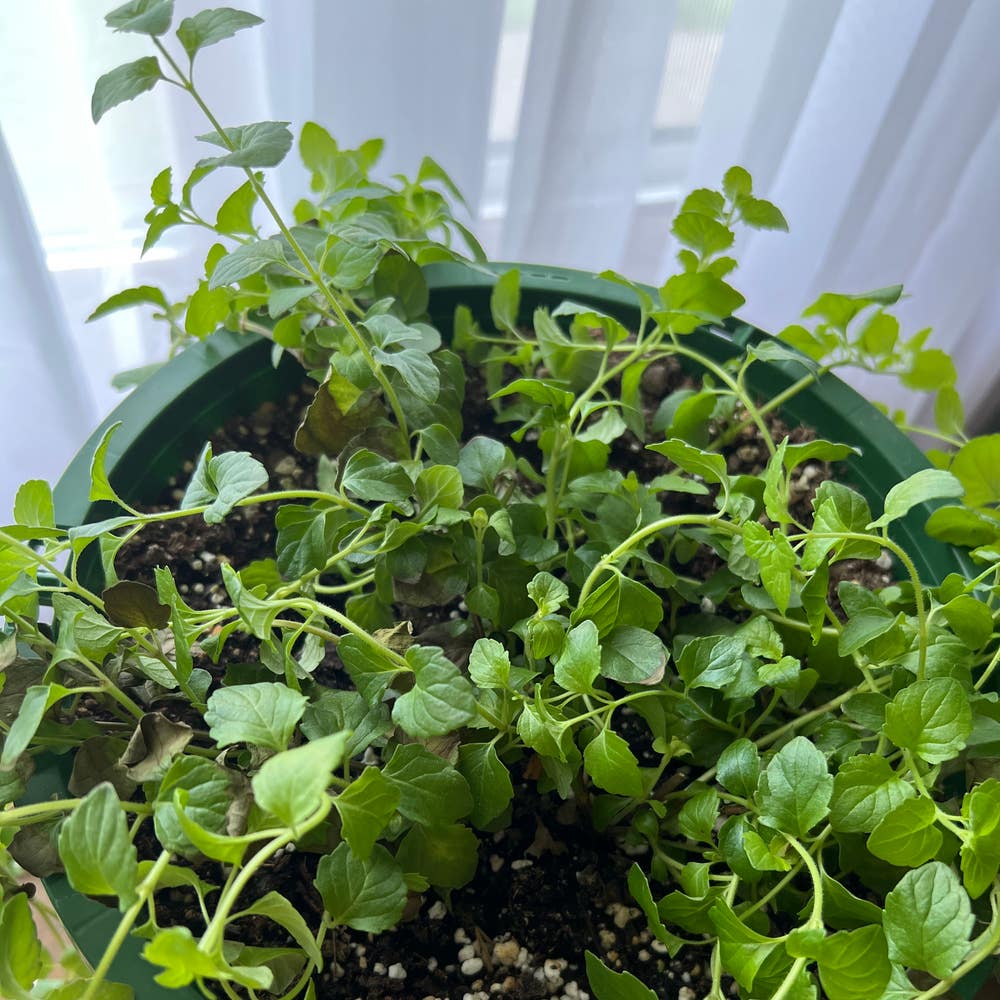
🌿 Indian Mint is Not an Invasive Plant
Coleus amboinicus
By the Greg Editorial Team
Nov 06, 2024•4 min read
This article was created with the help of AI so we can cover more plants for you. May contain errors. See one? Report it here.
Elevate your garden's health 🌱 and beauty with Indian Mint, a plant that supports pollinators and enriches the soil!
- 🌱 Indian Mint thrives in various conditions, adapting to both shade and sun.
- 🐝 Attracts pollinators like bees and butterflies, enhancing garden biodiversity.
- 🌿 Non-invasive and manageable, Indian Mint adds beauty and flavor to gardens.
Growth Habits
Typical Growth Patterns 🌱
Indian Mint typically reaches a height of 1 to 2 feet, showcasing a bushy appearance that adds lushness to any garden. Its clumping growth form features multiple stems, creating a dense and vibrant display.
This plant thrives actively during spring and summer, entering a dormant phase in winter. This seasonal rhythm allows it to conserve energy while still providing beauty and utility during its growing months.
Natural Limits and Spread Potential 🌿
Indian Mint prefers moist, well-drained soil, making it an excellent choice for gardens that can provide these conditions. It flourishes in environments with partial shade to full sun, adapting well to various light levels.
When managed properly, Indian Mint has limited spread potential, which makes it easier to control in your garden. This characteristic allows gardeners to enjoy its benefits without the worry of it becoming invasive.
Ecological Role
Benefits in Gardens and Ecosystems 🌼
Indian Mint is a powerhouse in the garden, attracting beneficial insects like bees and butterflies. These pollinators are essential for the health of your plants, ensuring vibrant blooms and bountiful harvests.
Moreover, Indian Mint enhances soil health by contributing to biodiversity and improving soil structure. Its roots help aerate the soil, allowing for better water retention and nutrient absorption.
Positive Interactions with Wildlife 🦋
This plant doesn't just benefit gardens; it also provides vital habitat and food sources for beneficial insects. By supporting these creatures, Indian Mint plays a crucial role in maintaining local ecosystems.
Encouraging biodiversity is another significant advantage. The presence of Indian Mint can create a thriving environment for various species, fostering a balanced ecosystem that benefits all.
Incorporating Indian Mint into your garden not only beautifies your space but also supports the intricate web of life around you. As you nurture this plant, you contribute to a healthier environment, making your garden a sanctuary for wildlife.
Garden Management
Incorporating Indian Mint into Designs 🌱
Indian Mint is a versatile plant that can enhance various garden designs. It thrives in borders, herb gardens, and as a companion plant, making it a fantastic choice for diverse layouts.
When planning your garden, consider the plant's color, texture, and height. Its lush green foliage adds vibrancy, while its bushy form creates a lovely backdrop for other plants.
Controlling Growth ✂️
To keep Indian Mint in check, regular maintenance is essential. Pruning and harvesting not only control its spread but also encourage healthier growth.
Keep an eye on its growth patterns to make necessary adjustments. This proactive approach ensures your garden remains balanced and visually appealing.
With these management tips, you can enjoy the benefits of Indian Mint while maintaining a thriving garden ecosystem.
Comparison to Other Plants
🌱 Similar Non-Invasive Varieties
When considering non-invasive mint varieties, several options stand out. Varieties like Spearmint and Peppermint are popular choices, each with unique growth habits and care requirements.
Spearmint typically grows 1-3 feet tall and has a more upright habit compared to the bushy Indian Mint. Peppermint, on the other hand, can spread aggressively if not managed, making it less ideal for small gardens.
🌟 Unique Qualities and Benefits
Indian Mint shines with its distinct flavor profile, offering a refreshing twist in culinary applications. It’s perfect for teas, salads, and even desserts, adding a unique touch to your dishes.
Beyond its culinary uses, Indian Mint plays a vital ecological role. It attracts pollinators like bees and butterflies, enhancing biodiversity in your garden. This not only supports local ecosystems but also creates a vibrant, thriving environment for various wildlife.
Incorporating Indian Mint into your garden design not only elevates your culinary experiences but also contributes positively to the ecosystem. As you explore the world of gardening, consider how this remarkable plant can enrich both your palate and the environment.
With its unique qualities and ecological benefits, Indian Mint stands out among its peers, making it a valuable addition to any garden. Next, let’s delve into sustainable gardening practices and how Indian Mint fits into these frameworks.
Legal and Environmental Considerations
🌱 Sustainable Gardening Practices
Sustainable gardening is essential for maintaining healthy ecosystems. It emphasizes practices that protect the environment while promoting biodiversity.
Indian Mint plays a significant role in these sustainable frameworks. Its ability to attract pollinators and improve soil health makes it a valuable addition to any garden.
📋 Guidelines for Responsible Planting
When planting Indian Mint, consider its ideal growing conditions. Choose a location with moist, well-drained soil and adequate sunlight for optimal growth.
Monitoring its growth is crucial to maintaining garden health. Regular checks ensure that it remains manageable and contributes positively to your garden's ecosystem.
By following these guidelines, you can enjoy the benefits of Indian Mint while fostering a thriving, sustainable garden.
⚠️ Safety First
This content is for general information and may contain errors, omissions, or outdated details. It is not medical, veterinary advice, or an endorsement of therapeutic claims.
Always consult a qualified healthcare professional before using any plant as food, medicine, or supplement.
Never eat any plant (or feed one to pets) without confirming its identity with at least two trusted sources.
If you suspect poisoning, call Poison Control (800) 222-1222, the Pet Poison Helpline (800) 213-6680, or your local emergency service immediately.
Spotted an error? Please report it here.
Cultivate a thriving Indian Mint garden 🌱 with Greg's tailored care tips and reminders, ensuring you enjoy its vibrant beauty and culinary perks while supporting local ecosystems!