10 Perfect Spots to Plant Your Soap Tree 🧼
Albizia saponaria
By the Greg Editorial Team
Nov 08, 2024•6 min read
This article was created with the help of AI so we can cover more plants for you. May contain errors. See one? Report it here.
Unlock your garden's potential 🌱 by mastering the ideal planting conditions for a thriving Soap Tree! 🌳
- 🌞 Soap Trees need 6-8 hours of sunlight daily for optimal growth.
- 🌱 Well-draining, sandy soil with pH 6.0-7.0 is ideal for planting.
- 🌬️ Plant Soap Trees 6-10 feet apart for healthy growth and air circulation.
Ideal Planting Locations
☀️ Sunlight Exposure Requirements
For your Soap Tree to thrive, it needs optimal sunlight exposure. Aim for full sun, which means at least 6 to 8 hours of direct sunlight daily.
While it can adapt to partial shade, the tree truly flourishes in bright conditions. Enhanced flowering and overall health are notable benefits of providing it with ample sunlight.
🌱 Soil Type Preferences
The ideal soil for a Soap Tree is well-draining, with a sandy or loamy texture. It prefers a slightly acidic to neutral pH range, ideally between 6.0 and 7.0.
One of the Soap Tree's remarkable traits is its adaptability. It can thrive even in poor soil conditions, making it a versatile choice for various landscapes.
🏡 Proximity to Structures and Other Plants
When planting your Soap Tree, consider its moderate height and allow for adequate spacing. A distance of 6 to 10 feet between plants is recommended to ensure healthy growth.
Avoid overcrowding to promote air circulation, which helps prevent diseases. Additionally, be mindful of the shade cast by nearby buildings or trees, as this can significantly affect the tree's growth and vitality.
With these ideal planting locations in mind, you're well on your way to creating a thriving environment for your Soap Tree. Next, let’s explore how to assess the best spot for planting.
Assessing the Best Spot
🌞 Evaluating Sunlight Patterns
To ensure your Soap Tree thrives, start by observing sunlight patterns throughout the day. Identify areas that consistently receive full sun, ideally 6 to 8 hours daily.
Seasonal changes can affect sunlight exposure, so take note of how these patterns shift with the seasons. A sunlight meter can be a handy tool, but simple observation works just as well to track light availability.
🌱 Analyzing Soil Conditions and Drainage
Next, analyze your soil conditions. Conduct a soil test to determine its drainage capabilities and nutrient content, which are crucial for healthy growth.
If your soil needs improvement, incorporate organic matter to enhance its structure. Be on the lookout for signs of poor drainage, such as standing water or overly compacted soil, as these can hinder your Soap Tree's development.
🌬️ Considering Wind Protection and Microclimates
Wind exposure can be detrimental to your Soap Tree, so assess areas prone to strong winds. Planting near natural barriers like hedges or walls can provide essential wind protection.
Additionally, consider microclimates—sheltered spots that retain warmth and moisture can significantly benefit your tree. Finding the right location can make all the difference in your Soap Tree's health and growth.
With these assessments in mind, you're well on your way to choosing the perfect spot for your Soap Tree. Next, let’s explore the differences between indoor and outdoor planting options.
Indoor vs. Outdoor Planting
🌟 Best Indoor Locations
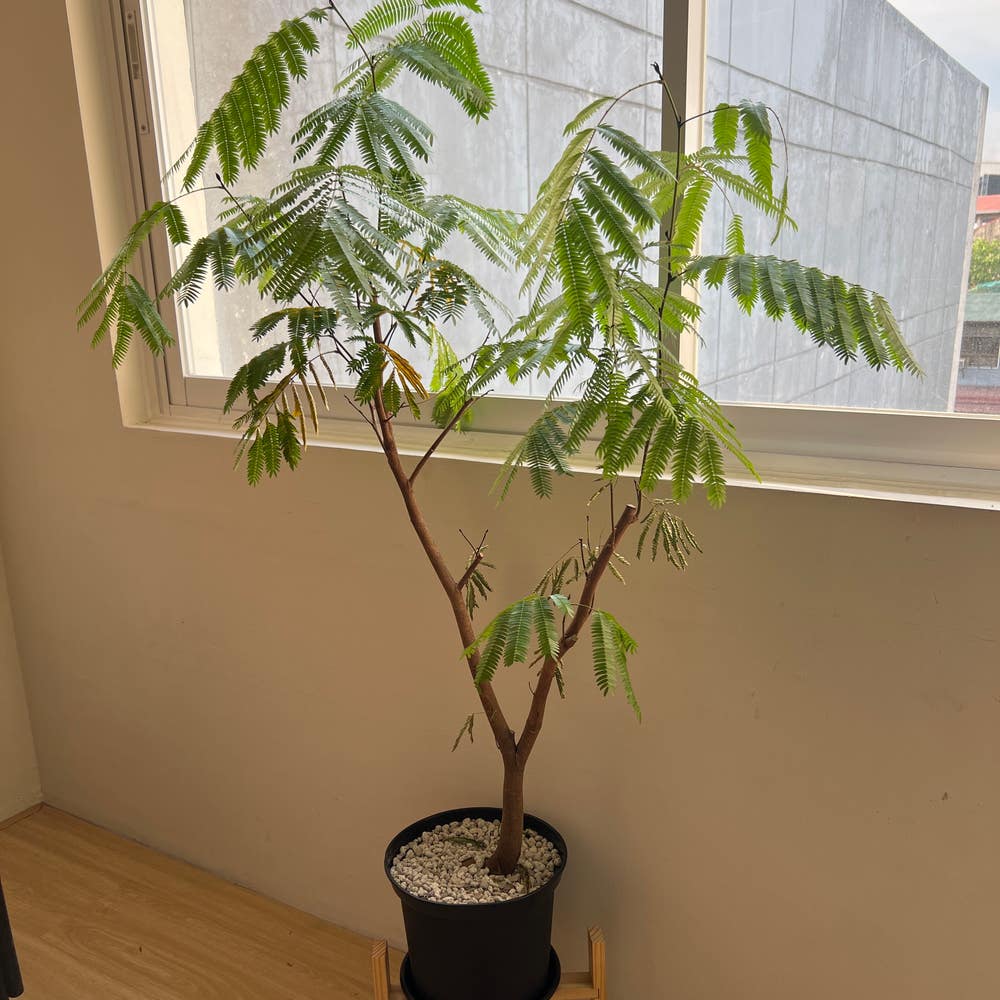
To thrive indoors, your Soap Tree needs ample light. Position it near south or west-facing windows to ensure it receives maximum sunlight.
Container choice is crucial for indoor success. Opt for pots with drainage holes to prevent waterlogging, which can harm the roots.
Maintaining the right indoor climate is essential. Aim for moderate humidity levels to mimic the Soap Tree's natural habitat, promoting healthy growth.
🌳 Outdoor Site Selection Tips
When selecting an outdoor location, prioritize open areas with full sun exposure. This ensures your Soap Tree gets the 6-8 hours of sunlight it craves daily.
Avoid placing your Soap Tree in competition with larger plants. Ensure it has enough space to grow without being overshadowed.
Lastly, consider seasonal weather patterns. Planning for changes in temperature and precipitation can help your Soap Tree flourish throughout the year.
With the right indoor or outdoor setup, your Soap Tree will thrive, bringing beauty and vitality to your space. Next, let’s explore the concept of companion planting and how it can enhance your Soap Tree’s growth.
Companion Planting
🌱 Suitable Companion Plants
When planting your Soap Tree, consider pairing it with drought-tolerant companions like succulents and ornamental grasses. These plants not only thrive in similar conditions but also enhance the overall health of your garden.
Diversity in your planting scheme can significantly benefit soil health and attract beneficial insects. However, be mindful to select companions that won’t overshadow your Soap Tree or compete for nutrients, ensuring each plant has room to flourish.
🌼 Benefits of Planting with Other Species
Companion planting offers several advantages, particularly in pest management. Certain plants can naturally deter pests, reducing the need for chemical interventions.
Additionally, a well-planned companion garden can improve pollination. By attracting pollinators, you enhance the flowering and fruiting potential of your Soap Tree.
Lastly, combining different species creates a visually appealing landscape. The varied textures and colors not only beautify your space but also foster a thriving ecosystem.
By thoughtfully selecting companion plants, you can create a harmonious garden that supports the growth and vitality of your Soap Tree while enhancing your outdoor space.
Next, let’s explore common location challenges you might face when planting your Soap Tree.
Common Location Challenges
Addressing Shade Tolerance Issues 🌳
Shade can be a sneaky adversary for your Soap Tree. To identify shade problems, keep an eye on growth patterns in shaded areas; if your tree looks leggy or sparse, it may be craving more light.
If you find your Soap Tree struggling in low light, consider relocating it to sunnier spots or trimming back surrounding plants to boost its exposure. Remember, while Soap Trees can tolerate some shade, their growth may be stunted if they don’t get enough sunlight.
Solutions for Poor Drainage Areas 🚰
Poor drainage can be a significant hurdle for healthy Soap Tree growth. Look for signs of water pooling or soggy soil, which indicate that your tree's roots might be sitting in water, leading to potential rot.
To improve drainage, consider creating raised beds or amending the soil with sand and organic matter to enhance its structure. If drainage issues persist and can't be resolved, it may be best to relocate your Soap Tree to a better site where it can thrive without the risk of waterlogging.
By addressing these common challenges, you can ensure your Soap Tree flourishes in its environment. Next, let’s explore the benefits of companion planting to enhance your garden's ecosystem.
⚠️ Safety First
This content is for general information and may contain errors, omissions, or outdated details. It is not medical, veterinary advice, or an endorsement of therapeutic claims.
Always consult a qualified healthcare professional before using any plant as food, medicine, or supplement.
Never eat any plant (or feed one to pets) without confirming its identity with at least two trusted sources.
If you suspect poisoning, call Poison Control (800) 222-1222, the Pet Poison Helpline (800) 213-6680, or your local emergency service immediately.
Spotted an error? Please report it here.
Maximize your Soap Tree's growth potential by planting it in the perfect spot, and let Greg guide you with customized care reminders 🌞 to keep it thriving all year round!