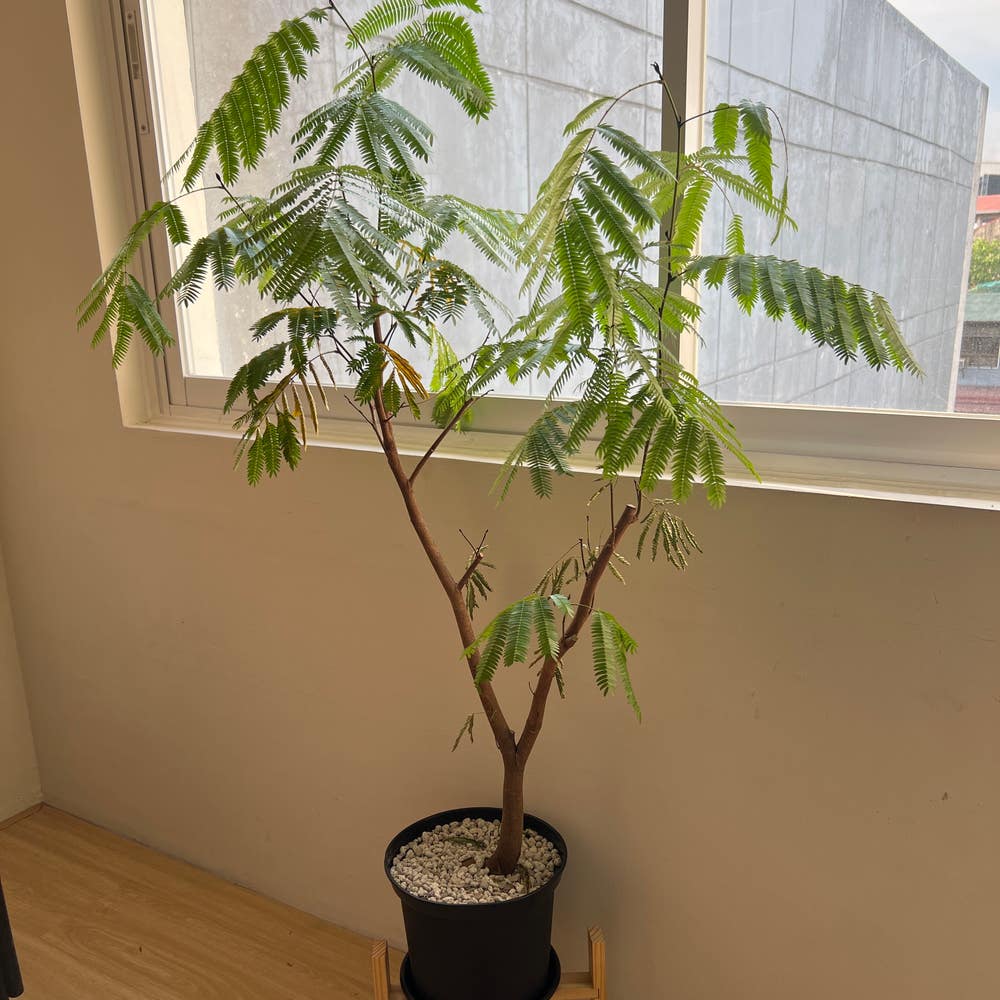
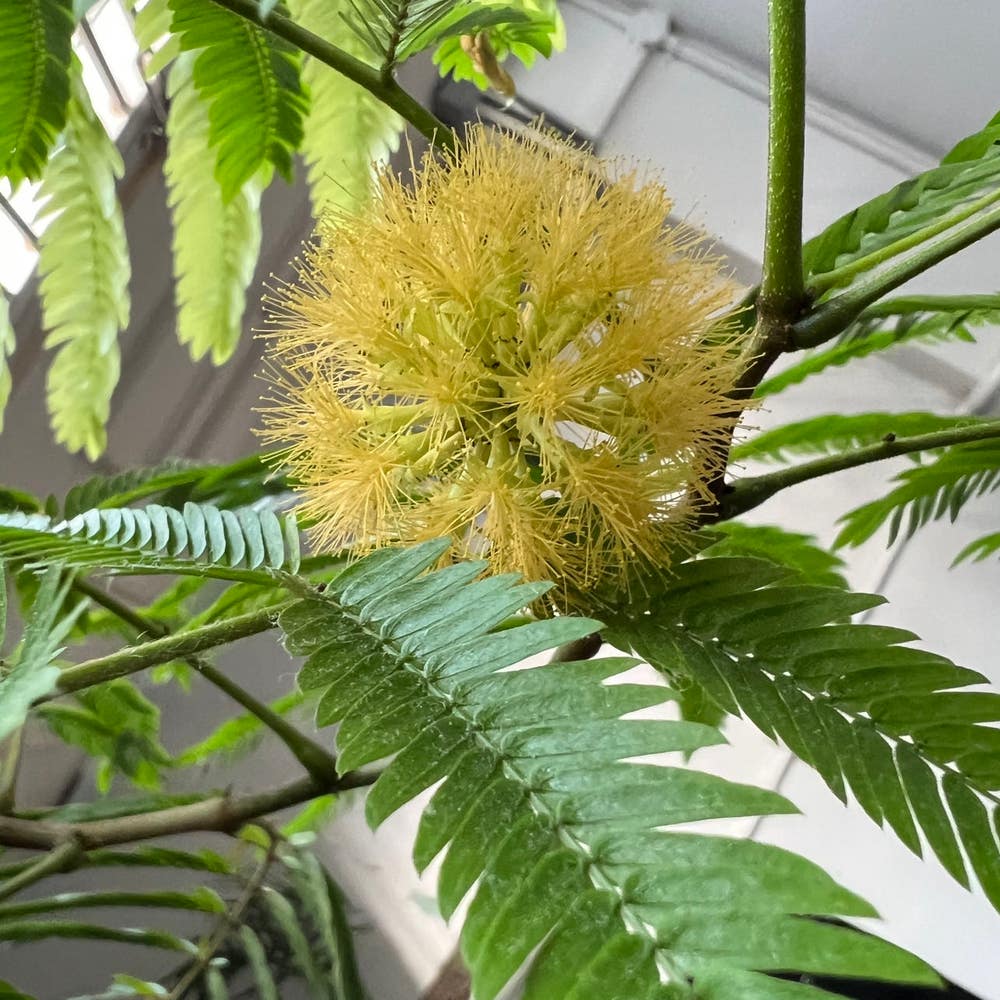
🌳 Best Tips for Dealing with Brown Spots on Soap Tree
Albizia saponaria
By the Greg Editorial Team
Nov 08, 2024•4 min read
This article was created with the help of AI so we can cover more plants for you. May contain errors. See one? Report it here.
Master essential care tips 🌱 to keep your Soap Tree vibrant and free from pesky brown spots!
- 🌞 Bright, indirect sunlight is essential for healthy Soap Trees and preventing brown spots.
- 💧 Humidity levels of 40-60% help avoid leaf browning on your Soap Tree.
- 🐛 Regular pest inspections catch issues early, preventing brown spots from worsening.
Diagnosing the Problem
Assessing Environmental Conditions 🌤️
Understanding the environmental needs of your Soap Tree is crucial for its health. These trees thrive in bright, indirect sunlight, so ensure they receive optimal exposure without being scorched by harsh rays.
Humidity plays a significant role in leaf health. Soap Trees prefer a humidity range of 40-60%, which helps prevent leaf browning and promotes lush growth.
Temperature is another key factor. Ideally, maintain a safe temperature range of 65°F to 85°F (18°C to 29°C) for optimal growth. Extreme temperatures can stress the plant, leading to brown spots.
Checking for Pests and Their Signs 🐜
Pests can wreak havoc on your Soap Tree. Common culprits include aphids and spider mites, which can quickly diminish the tree's vitality.
Look for signs of infestation, such as webbing, sticky residue, or visible insects on the leaves. These indicators can help you catch a problem early before it escalates.
Identifying pests requires a keen eye. Conduct a visual inspection regularly and consider using traps to monitor pest activity effectively.
Evaluating Soil Quality and Drainage 🌱
Soil quality is fundamental for a healthy Soap Tree. Well-draining soil is essential to prevent waterlogging, which can lead to root rot.
Check for signs of poor drainage, such as water pooling on the surface or a foul smell from the soil. These symptoms indicate that your tree may be in trouble.
Soil testing is a proactive approach to assess nutrient levels and pH. Regular testing can help you maintain the right conditions for your Soap Tree's growth and prevent brown spots from developing.
By diagnosing these issues early, you can take the necessary steps to ensure your Soap Tree remains healthy and vibrant. Next, we’ll explore effective treatment options to address any problems you may encounter.
Treatment Options
Step-by-step guide to treating fungal infections 🌱
Identify the type of fungal infection present: Start by examining the leaves for discoloration or spots. Knowing the specific fungus can guide your treatment approach.
Remove affected leaves: Use clean, sharp pruning shears to cut away any infected foliage. This helps prevent the spread of the infection.
Apply fungicide: Choose a fungicide that targets the identified fungus. Follow the manufacturer's instructions for application to ensure effectiveness.
Monitor progress: Check your Soap Tree regularly for signs of recovery. Look for new growth and reduced spotting, adjusting your care routine as needed.
How to address nutrient deficiencies 🥦
Soil testing: Conduct a soil test to determine nutrient levels. This will help you understand what your Soap Tree needs.
Choosing the right fertilizer: Select a fertilizer that addresses the specific deficiencies found in your soil test. Pay attention to application rates to avoid over-fertilizing.
Timing of fertilization: Apply nutrients during the growing season for the best results. Early spring is often ideal for most fertilizers.
Methods for correcting watering issues 💧
Overwatering
Signs of overwatering: Look for yellowing leaves and mushy roots. These are clear indicators that your plant is receiving too much water.
Corrective actions: Adjust your watering schedule to allow the soil to dry out between waterings. Improving drainage can also help prevent future issues.
Underwatering
Signs of underwatering: Watch for wilting and dry leaf tips. These symptoms suggest your Soap Tree is thirsty and needs more moisture.
Corrective actions: Establish a consistent watering routine. Aim to water deeply but infrequently to encourage strong root development.
By addressing these treatment options, you can help your Soap Tree thrive and reduce the occurrence of brown spots. Next, let’s explore preventive measures to keep your plant healthy and vibrant.
Preventive Measures
🌱 Best practices for Soap Tree care to prevent brown spots
Regular monitoring is crucial for keeping your Soap Tree healthy. Routine checks help you catch any issues early, preventing brown spots from becoming a bigger problem.
Proper pruning techniques also play a significant role in maintaining your tree's health. By encouraging healthy growth and airflow, you can reduce the risk of fungal infections and pests.
💧 Importance of proper watering techniques
Watering frequency is key to optimal moisture levels. Aim to keep the soil consistently moist but not soggy, as both overwatering and underwatering can lead to brown spots.
Techniques for effective watering, such as deep watering methods, ensure that moisture penetrates the root zone. This promotes strong root development and overall plant health.
🌿 Soil amendments and fertilization tips
Recommended soil amendments can significantly improve drainage and nutrient content. Consider adding organic matter or perlite to enhance soil structure and promote healthy growth.
A well-planned fertilization schedule is essential for providing your Soap Tree with the nutrients it needs. Timing and types of fertilizers should align with the tree's growth cycle for the best results.
By implementing these preventive measures, you can keep your Soap Tree thriving and free from brown spots. Next, let’s explore treatment options if you do encounter issues.
⚠️ Safety First
This content is for general information and may contain errors, omissions, or outdated details. It is not medical, veterinary advice, or an endorsement of therapeutic claims.
Always consult a qualified healthcare professional before using any plant as food, medicine, or supplement.
Never eat any plant (or feed one to pets) without confirming its identity with at least two trusted sources.
If you suspect poisoning, call Poison Control (800) 222-1222, the Pet Poison Helpline (800) 213-6680, or your local emergency service immediately.
Spotted an error? Please report it here.
Keep your Soap Tree thriving and spot-free 🌿 with Greg's tailored care reminders and expert tips that make plant care a breeze!