🌳 Why Soap Tree Is Not an Annual
Albizia saponaria
By the Greg Editorial Team
Nov 08, 2024•5 min read
This article was created with the help of AI so we can cover more plants for you. May contain errors. See one? Report it here.
Unlock your garden's potential with the soap tree's unique lifecycle and its beauty-enhancing benefits! 🌳🌼
- 🌳 Soap trees are perennials, thriving for years with robust growth and flowering.
- 🌼 Seasonal cycles and dormancy enhance their resilience and adaptability in various climates.
- 🐝 Attracting pollinators, soap trees support biodiversity and contribute to healthy ecosystems.
Genetic and Physiological Characteristics
Lifecycle and Growth Patterns 🌱
The soap tree exhibits a long-term lifecycle that sets it apart from annual plants. From germination to maturity, this process can take several years, with factors like soil quality and climate influencing its lifespan and longevity.
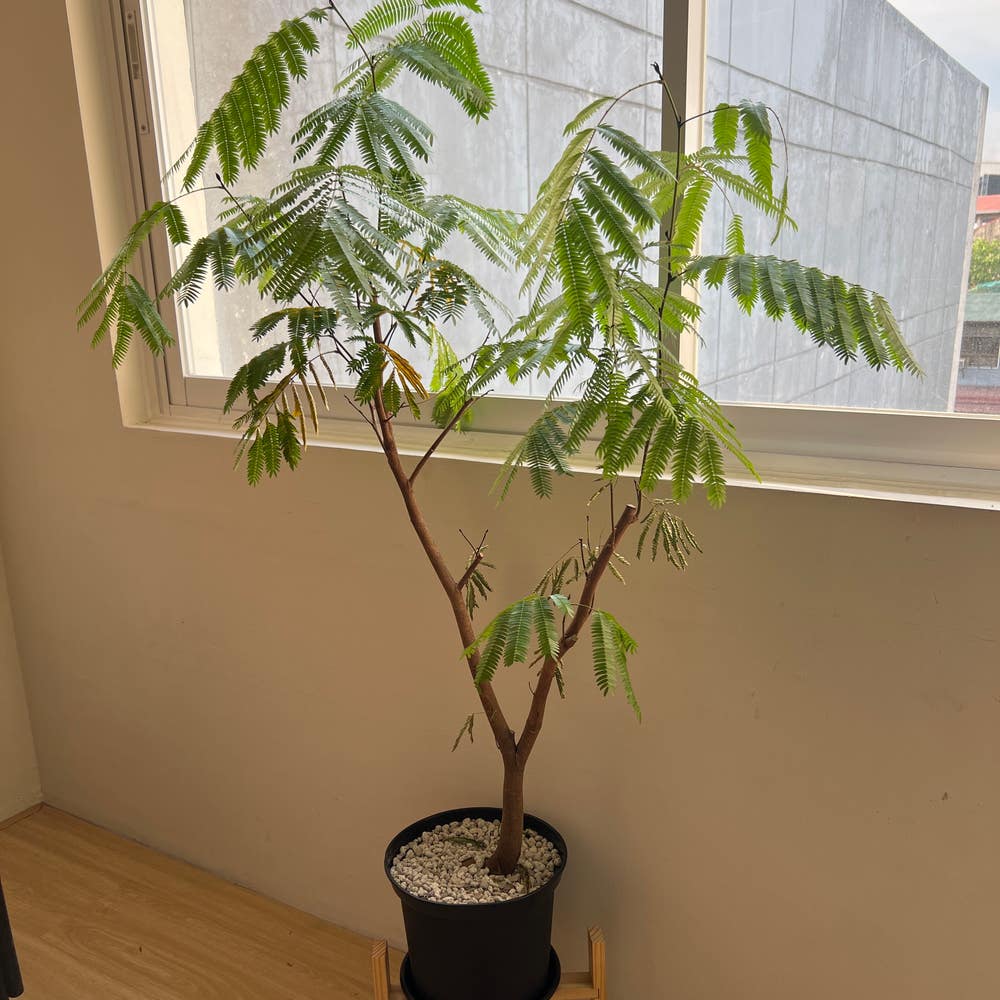
As the soap tree matures, it develops a sturdy trunk and a broad canopy, which are essential for its survival and growth. These characteristics allow it to thrive in various environments, providing stability and shade.
Seasonal growth cycles are another vital aspect of the soap tree's lifecycle. During certain times of the year, the tree may enter dormancy, conserving energy and resources until conditions are favorable for growth again.
Reproductive Strategies 🌼
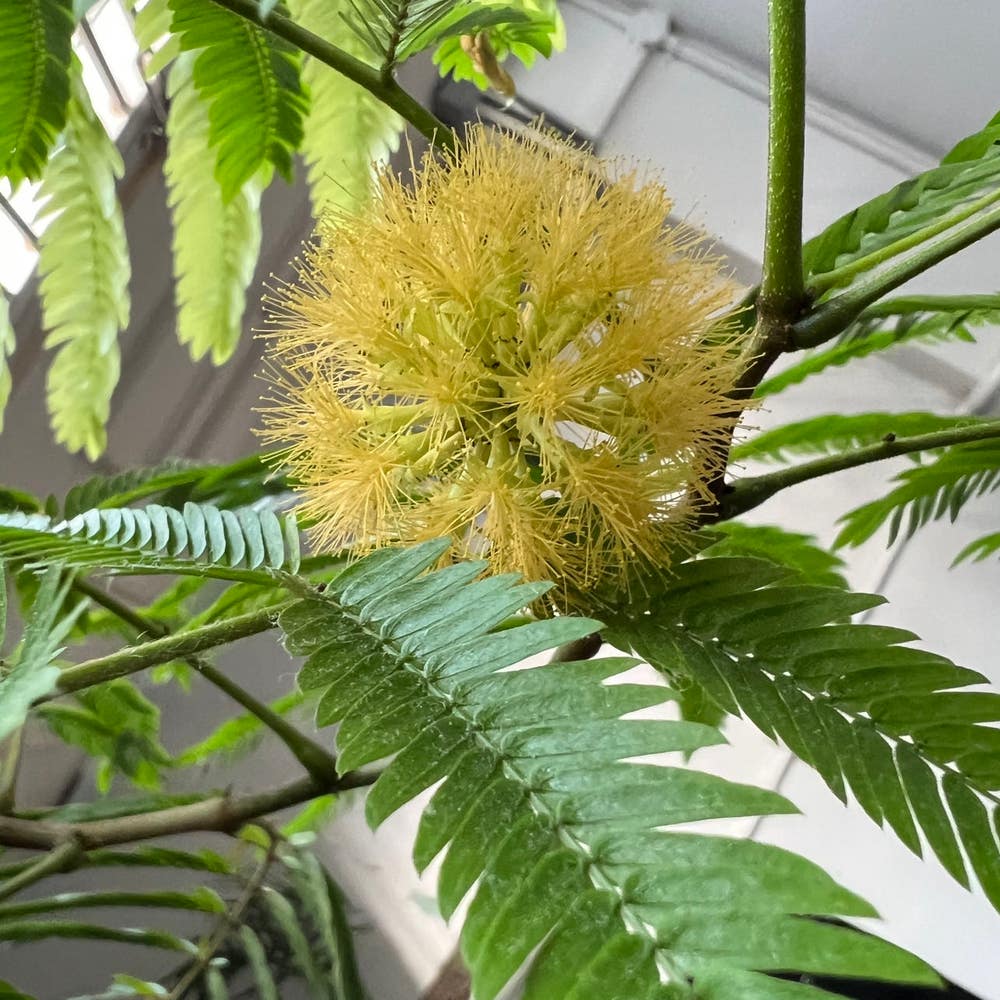
The soap tree's reproductive strategies are fascinating and complex. It showcases flowering patterns that span multiple seasons, ensuring a continuous opportunity for pollination and seed production.
Seed production is robust, with mechanisms in place for effective dispersal. This adaptability contrasts sharply with annual plants, which typically complete their reproductive cycle within a single season.
Understanding these reproductive strategies highlights the soap tree's resilience and ability to thrive in diverse environments. This adaptability is a key factor in its classification as a perennial rather than an annual.
In summary, the soap tree's genetic and physiological characteristics, including its lifecycle, growth patterns, and reproductive strategies, underscore its perennial nature. These traits not only contribute to its longevity but also enhance its role in the ecosystem, paving the way for the next section on lifecycle comparison.
Lifecycle Comparison
Differences Between Soap Tree's Lifecycle and True Annuals 🌱
The lifecycle of the soap tree spans several years, contrasting sharply with true annuals that complete their life cycle in a single season. This extended duration allows the soap tree to develop complex growth and reproductive phases, which are essential for its survival and adaptation.
While annuals rush through germination, flowering, and seed production, the soap tree takes its time. It invests energy into building a robust structure and establishing a deep root system, which supports its longevity and resilience.
Impact of Perennial Nature on Growth and Flowering 🌼
Being a perennial, the soap tree enjoys continuous growth and flowering cycles throughout its life. This ongoing process not only enhances its aesthetic appeal but also contributes to the overall health of the ecosystem.
The soap tree's ability to flower over multiple seasons means it can attract various pollinators, promoting biodiversity. This resilience allows it to thrive in diverse conditions, making it a valuable addition to any garden or landscape.
In summary, the soap tree's lifecycle and perennial nature provide it with unique advantages that set it apart from annual plants. Understanding these differences can help gardeners appreciate the long-term benefits of incorporating soap trees into their designs.
Next, we will explore regional variations and misconceptions surrounding the soap tree, shedding light on factors that may lead to its misclassification.
Regional Variations and Misconceptions
🌍 Conditions Leading to Misclassification
Misunderstandings about the soap tree often stem from environmental factors. Poor soil conditions can stunt growth, making the tree appear less robust than it truly is.
Inadequate sunlight exposure also plays a significant role. Without enough light, the soap tree may not thrive, leading to misconceptions about its lifecycle and growth potential.
🌳 Exceptions in Different Regions
The growth of soap trees can vary dramatically based on climate. In regions with favorable conditions, these trees flourish, showcasing their true perennial nature.
Conversely, in non-native regions, soap trees adapt to their surroundings. This adaptability can sometimes lead to confusion about their classification as annuals or perennials.
Understanding these regional variations helps clarify the soap tree's true identity. It’s essential to recognize how environmental factors influence its growth and longevity.
As we explore the next section, we'll delve into how the soap tree's lifecycle compares to that of true annuals, shedding light on its unique characteristics.
Garden Design and Planting Strategies
🌳 Advantages of Using Soap Tree
Incorporating soap trees into your garden is a smart, long-term investment. These majestic plants not only enhance the aesthetic appeal but also contribute significantly to biodiversity and ecosystem stability.
Soap trees provide habitat and food for various wildlife, promoting a balanced ecosystem. Their robust structure and longevity mean they can thrive for years, offering continuous beauty and environmental benefits.
🌼 Tips for Integrating Soap Tree into Garden Design
When planning your garden, consider companion planting with other perennials. This strategy enhances growth and creates a vibrant, diverse landscape.
Strategic placement is crucial for optimal growth. Ensure your soap tree receives adequate sunlight and has well-draining soil to flourish. By considering these factors, you can create a thriving garden that showcases the beauty and benefits of soap trees.
As you design your garden, remember that the integration of soap trees can lead to a more resilient and dynamic environment. This sets the stage for a flourishing ecosystem that supports both plant and animal life.
Management and Longevity
🌳 Best Practices for Managing Soap Tree
To ensure your Soap Tree thrives, regular pruning is essential. This not only encourages healthy growth but also helps maintain its shape and size.
When it comes to soil, Soap Trees prefer well-draining, nutrient-rich environments. Regularly amend the soil with organic matter to support longevity.
⏳ Tips for Maximizing Longevity
Establishing a seasonal care routine is key. This includes monitoring watering schedules and adjusting based on rainfall and temperature.
Keep an eye out for pests and diseases that commonly affect perennials. Early detection can make all the difference in maintaining a healthy Soap Tree.
By following these management practices, you can enjoy the beauty and benefits of your Soap Tree for many years to come. Next, let’s explore how to effectively integrate this remarkable plant into your garden design.
⚠️ Safety First
This content is for general information and may contain errors, omissions, or outdated details. It is not medical, veterinary advice, or an endorsement of therapeutic claims.
Always consult a qualified healthcare professional before using any plant as food, medicine, or supplement.
Never eat any plant (or feed one to pets) without confirming its identity with at least two trusted sources.
If you suspect poisoning, call Poison Control (800) 222-1222, the Pet Poison Helpline (800) 213-6680, or your local emergency service immediately.
Spotted an error? Please report it here.
Unlock the long-term beauty of your soap tree 🌳 with Greg's tailored care tips and reminders, ensuring it thrives and supports your garden's ecosystem for years to come!