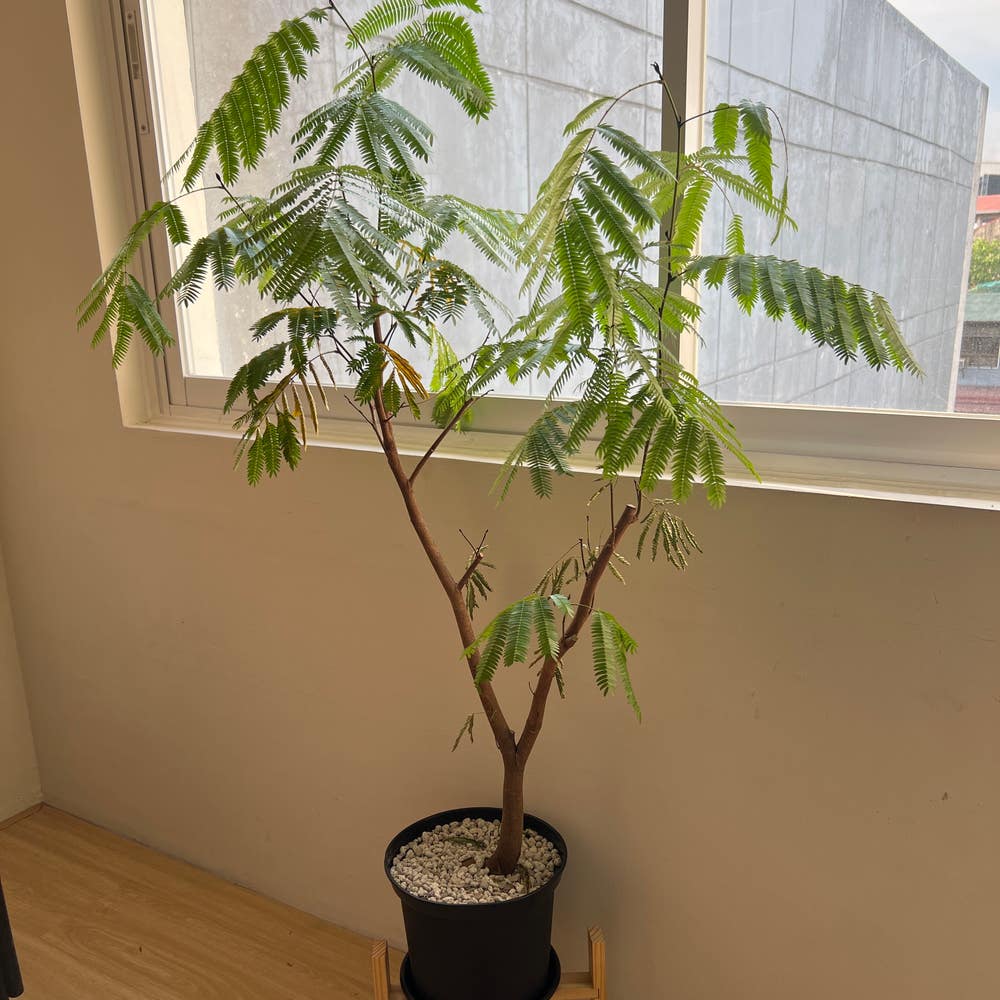
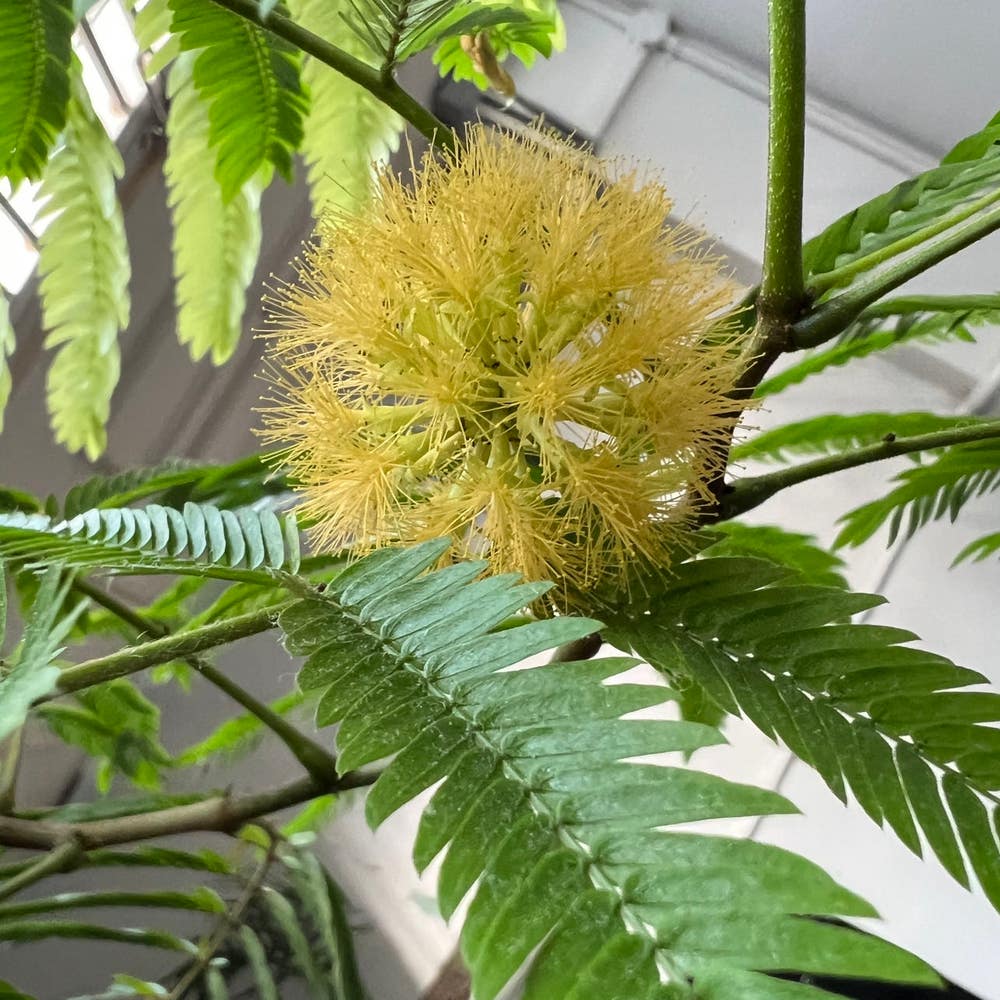
🧼 3 Secrets to Successfully Grow Soap Tree
Albizia saponaria
By the Greg Editorial Team
Nov 08, 2024•7 min read
This article was created with the help of AI so we can cover more plants for you. May contain errors. See one? Report it here.
Grow a stunning Soap Tree in your garden with these essential planting and care tips! 🌳
- ☀️ Soap Trees thrive in full sun, needing 6-8 hours of direct sunlight daily.
- 🌳 Plant 15-20 feet from structures to accommodate their expansive canopy for healthy growth.
- 🌱 Use well-draining soil with pH 6.0-7.5 and enrich with organic matter for best results.
Site Selection and Soil Preparation
Choosing the Right Location 🌞
To successfully grow a Soap Tree, start by selecting the right location. These trees thrive in full sun, requiring 6 to 8 hours of direct sunlight daily.
Additionally, ensure there's ample space for growth. Ideally, plant them 15 to 20 feet away from any structures to allow for their expansive canopy.
Soil Type and pH Requirements 🌱
Next, focus on the soil. Soap Trees prefer well-draining soil, specifically sandy loam or loamy soil, which provides the right balance of moisture retention and drainage.
The pH level is crucial too; aim for a range between 6.0 and 7.5 for optimal growth. This slightly acidic to neutral range supports healthy root development.
Soil Preparation Techniques 🛠️
Preparing the soil is essential for your Soap Tree's success. Start by incorporating organic matter, like compost, to enhance soil fertility and structure.
If your soil is heavy, improve drainage by mixing in perlite or sand. This ensures that excess water can escape, preventing root rot and promoting healthy growth.
With the right location and soil preparation, you're setting the stage for a thriving Soap Tree. Next, let’s explore the best planting techniques to ensure your tree gets off to a great start.
Planting Techniques ((difficulty:easy))
Step-by-Step Planting Guide 🌱
Planting a Soap Tree is straightforward if you follow these steps.
- Prepare the planting hole: Dig a hole that is twice the width and depth of the root ball.
- Remove the plant from the container: Gently loosen the roots if they are pot-bound to encourage growth.
- Position the plant: Place it at the same depth as it was in the container to ensure stability.
- Backfill with soil: Firmly pack the soil around the base to eliminate air pockets.
- Water thoroughly: This helps the soil settle around the roots, promoting healthy establishment.
Container vs. Outdoor Planting Considerations 🏡
When deciding between container and outdoor planting, consider your space and climate.
- Container growing: Opt for a pot that is at least 18 inches deep and has drainage holes to prevent waterlogging.
- Outdoor planting: Assess your local climate and ensure there’s enough space for the tree to thrive.
Spacing and Depth Recommendations 📏
Proper spacing and depth are crucial for healthy growth.
- Spacing: For outdoor planting, space your Soap Trees 15-20 feet apart to allow for their mature size.
- Depth: Always plant at the same depth as the nursery container to avoid stress on the roots.
With these planting techniques, your Soap Tree will have a solid start. Next, let’s explore how to care for your tree through watering and fertilizing.
Watering and Fertilizing
💧 Watering Frequency and Techniques
Watering is crucial for the health of your Soap Tree. Start with a deep watering right after planting to help establish the roots.
For ongoing care, aim to water every 1-2 weeks. Adjust this schedule based on rainfall; if nature provides a good soaking, you can skip a session.
🌱 Fertilization Schedule and Types of Fertilizers
Fertilizing your Soap Tree is essential for robust growth. Plan to fertilize every 4-6 weeks during the growing season to keep your tree thriving.
Use a balanced NPK fertilizer, like a 10-10-10 mix, or opt for organic options to nourish your plant naturally. Both choices will support healthy development.
🚿 Signs of Overwatering or Underwatering
Recognizing the signs of watering issues is vital for your Soap Tree's health. Overwatering often leads to yellowing leaves, wilting, and even root rot.
On the flip side, underwatering manifests as drooping leaves, dry soil, and stunted growth. Keep an eye on these indicators to ensure your tree remains vibrant and healthy.
With proper watering and fertilizing practices, your Soap Tree will flourish. Next, let’s explore the importance of pruning and maintenance to keep your tree in top shape.
Pruning and Maintenance
Importance of Pruning for Growth and Health 🌱
Pruning is essential for promoting healthy growth in your Soap Tree. It enhances air circulation and light penetration, which are crucial for robust foliage and flowering.
Additionally, regular pruning helps maintain the desired shape and size of the tree. This not only keeps your garden looking tidy but also prevents overcrowding that can lead to disease.
Pruning Techniques and Timing ⏰
The best time to prune your Soap Tree is late winter or early spring, just before new growth begins. This timing allows the tree to recover quickly and encourages vigorous growth.
When pruning, focus on removing dead or crossing branches to improve structure. Shaping the canopy will also help maintain a balanced appearance and promote overall health.
Ongoing Care Routine 🧑🌾
Incorporating a mulching routine is vital for your Soap Tree's health. Apply a 2-3 inch layer of mulch around the base to retain moisture and suppress weeds.
Regular monitoring is equally important. Keep an eye out for pests and signs of disease to address any issues before they escalate. This proactive approach will ensure your Soap Tree thrives throughout the seasons.
With proper pruning and maintenance, your Soap Tree will flourish, setting the stage for the next topic on common challenges and solutions.
Common Challenges and Solutions
🐛 Identifying and Managing Pests
Pests can be a significant challenge when growing Soap Trees. Recognizing them early is crucial for effective management.
Common Pests
- Aphids: These tiny insects can cause curled leaves and leave a sticky residue on your plants.
- Scale: Look for small, raised bumps on stems and leaves, which indicate a scale infestation.
Control Methods
To combat these pests, consider introducing natural predators like ladybugs or lacewings. Additionally, organic treatments such as neem oil or insecticidal soap can effectively reduce pest populations without harming your plants.
🦠 Addressing Diseases
Diseases can also threaten the health of your Soap Trees. Understanding the common issues can help you take preventive measures.
Common Diseases
- Root Rot: Symptoms include wilting and yellowing leaves, often caused by overwatering.
- Leaf Spot: Look for brown or black spots on leaves, which can indicate fungal infections.
Prevention and Treatment
To prevent diseases, ensure your soil is well-draining and avoid overwatering. If you notice affected leaves, remove them promptly and apply fungicides as necessary to protect the rest of your plant.
🌦️ Seasonal Challenges
Seasonal changes can introduce unique challenges for your Soap Trees. Being prepared can make all the difference.
- Cold Weather: Protect young plants with frost cloths to shield them from harsh conditions.
- Drought: During dry spells, increase your watering frequency to keep your trees healthy and thriving.
By staying vigilant and proactive, you can effectively manage pests, diseases, and seasonal challenges, ensuring your Soap Trees grow strong and healthy. Next, let’s explore the seasonal care needed to keep your trees flourishing throughout the year.
Seasonal Care
🌸 Spring Care
As the days grow longer and warmer, it's time to kickstart your Soap Tree's growth. Begin fertilizing as new growth appears to provide essential nutrients.
Pruning is also crucial during this season. Shape the tree and remove any dead branches to encourage healthy development.
☀️ Summer Care
Summer brings heat, and your Soap Tree will need more attention. Increase your watering frequency during these hot months to keep the soil moist.
Don't forget to monitor for pests regularly. Check for any signs of infestations to ensure your tree remains healthy and vibrant.
🍂 Fall Care
As temperatures begin to drop, mulching becomes essential. Add a layer of mulch around the base to protect the roots from the cold.
Prepare for winter by reducing watering as the weather cools. This helps prevent root rot and prepares your tree for dormancy.
❄️ Winter Care
Winter can be harsh, especially for young trees. Use frost cloths to shield them from extreme cold and harsh winds.
Watering should be minimal during this season. Only water if the soil is completely dry to avoid over-saturation.
With these seasonal care tips, your Soap Tree will thrive throughout the year. Next, let’s explore common challenges and solutions to keep your tree in top shape.
⚠️ Safety First
This content is for general information and may contain errors, omissions, or outdated details. It is not medical, veterinary advice, or an endorsement of therapeutic claims.
Always consult a qualified healthcare professional before using any plant as food, medicine, or supplement.
Never eat any plant (or feed one to pets) without confirming its identity with at least two trusted sources.
If you suspect poisoning, call Poison Control (800) 222-1222, the Pet Poison Helpline (800) 213-6680, or your local emergency service immediately.
Spotted an error? Please report it here.
Grow your Soap Tree like a pro 🌳 with Greg's tailored watering alerts and expert care tips to keep it thriving all year round!