❄️ Step-by-Step Guide to Winterizing Soap Tree
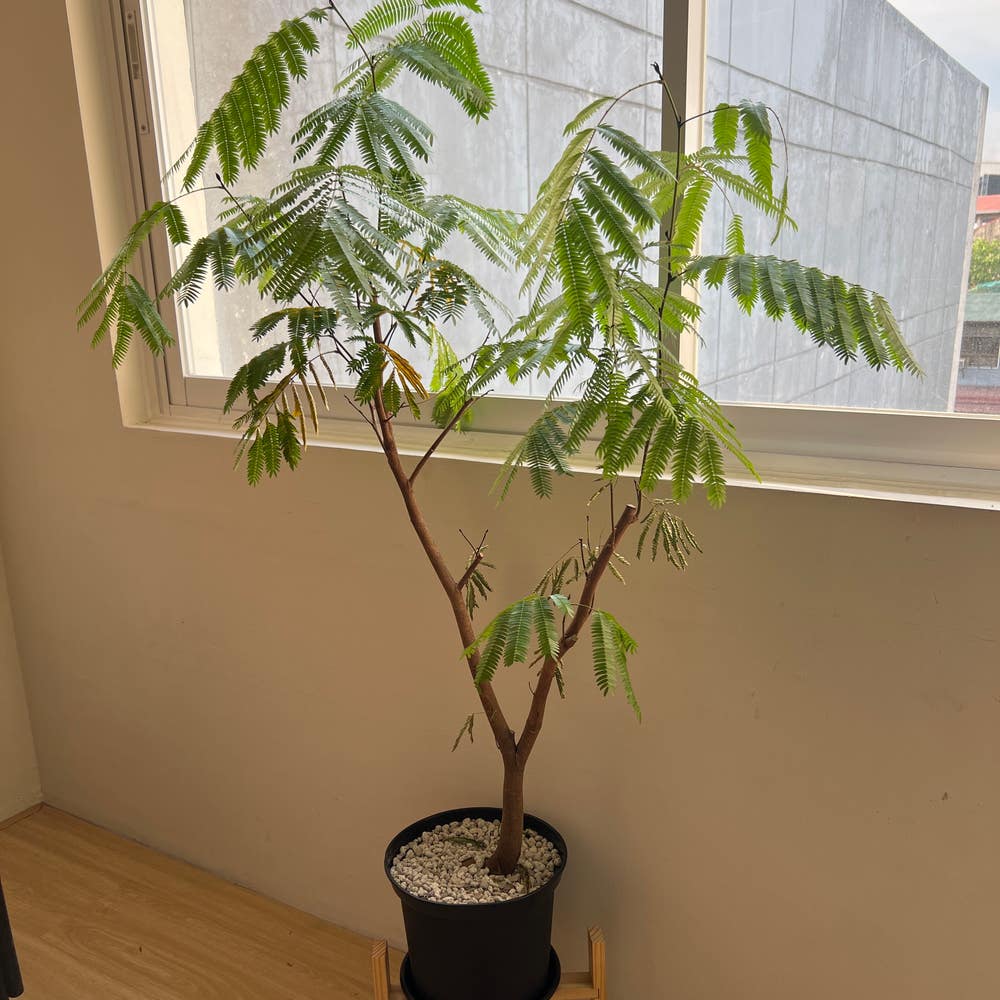
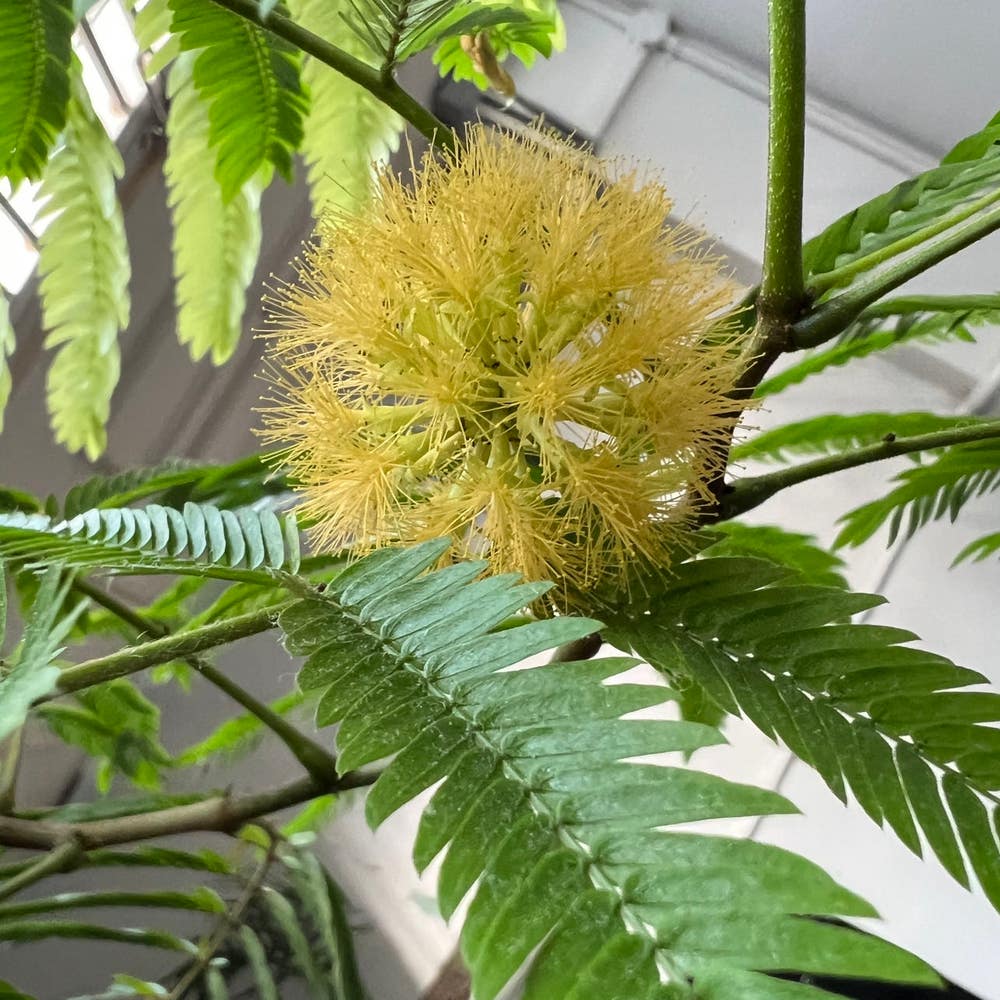
Albizia saponaria
By the Greg Editorial Team
Nov 08, 2024•5 min read
This article was created with the help of AI so we can cover more plants for you. May contain errors. See one? Report it here.
Ensure your Soap Tree thrives through winter 🌱 by mastering cold hardiness and effective care strategies!
- 🌡️ Soap Trees thrive in zones 8-11, requiring tailored winter protection strategies.
- ❄️ Apply frost protection before freezing temperatures to safeguard your Soap Trees.
- 🌱 Proper winter care ensures vibrant spring growth, enhancing Soap Tree vitality.
Cold Hardiness and Winter Care
Understanding the cold hardiness of your Soap Tree is crucial for effective winter care. Different varieties thrive in specific hardiness zones, which dictate how well they can withstand cold temperatures.
🌍 Identifying Cold Hardiness Zones
Soap Trees are generally categorized into hardiness zones ranging from 8 to 11. Knowing your zone helps you select the right variety and plan for winter protection.
❄️ Impact on Winter Care Strategies
Cold hardiness directly influences your winter care strategies. Trees in lower hardiness zones may require more protection from frost and cold winds compared to those in milder climates.
🌡️ Temperature Thresholds for Dormancy
Most Soap Trees enter dormancy when temperatures drop below 50°F (10°C). Understanding these thresholds is vital, as prolonged exposure to frost can lead to significant damage.
🥶 Frost Sensitivity
Frost sensitivity varies among Soap Tree varieties. Some may tolerate light frost, while others can suffer even at slightly lower temperatures, making it essential to monitor local weather conditions closely.
By grasping these fundamentals of cold hardiness and winter care, you can ensure your Soap Trees remain healthy and vibrant through the colder months. Next, we’ll explore effective frost protection strategies to safeguard your trees from winter’s chill.
Frost Protection Strategies
🥶 Methods for Protecting from Frost
Frost can be a formidable foe for your Soap Trees, but there are effective ways to shield them. Using frost cloths and blankets provides excellent insulation, trapping warmth and protecting delicate foliage from freezing temperatures.
Timing is crucial when applying these frost protection measures. Ideally, cover your trees before temperatures dip below freezing, especially during the night when frost is most likely to form.
🌱 Using Mulch and Covers for Insulation
Mulch serves as another layer of defense against frost. Organic options like wood chips or straw not only insulate but also enrich the soil as they decompose. Inorganic choices, such as gravel or rubber mulch, provide lasting coverage without breaking down.
For effective insulation, apply mulch to a depth of 2 to 4 inches, covering the root zone thoroughly. Ensure the coverage area extends beyond the tree's drip line to maximize protection.
🌳 Best Practices for Outdoor Placement
Choosing the right location for your Soap Trees can significantly reduce frost exposure. Ideally, plant them in areas that receive ample sunlight and are shielded from harsh winds, such as near a south-facing wall.
Consider the microclimates in your garden. Areas that retain heat, like those surrounded by buildings or larger plants, can offer a more hospitable environment during the colder months.
Watering and Fertilizing Adjustments
🌊 Adjusting Watering Schedule
During the winter dormancy period, it's crucial to adjust your watering schedule. Generally, you should water less frequently, allowing the soil to dry out between waterings.
Look for signs of overwatering or underwatering. Leaf drop, yellowing leaves, and poor root health are all indicators that your Soap Tree needs attention.
🌱 Fertilizing Before Dormancy
Before your Soap Tree enters dormancy, consider applying the right fertilizers. A balanced fertilizer with equal parts nitrogen, phosphorus, and potassium is ideal, and timing is key—apply it a few weeks before the first frost.
Maintaining nutrient balance is essential for your tree's health. Proper fertilization helps ensure your Soap Tree is well-prepared for the winter months ahead.
With these watering and fertilizing adjustments, your Soap Tree will be better equipped to handle the cold. Next, let’s explore how to provide effective indoor winter care for your plant.
Indoor Winter Care
Transitioning Indoors 🌱
When it’s time to bring your Soap Tree indoors, start with a gradual transition over 1-2 weeks. This helps the plant adjust to the new environment without shock.
Keep an eye on temperature changes during this period. Sudden shifts can stress your tree, so aim for consistency.
Ideal Indoor Conditions 🌞
For optimal growth, maintain an indoor temperature range of 60°F to 75°F (15°C to 24°C). This range mimics the Soap Tree's natural habitat and supports its health.
Light is equally important. Ensure your tree receives bright, indirect sunlight to thrive indoors.
Monitoring Humidity and Light Levels 💧
Humidity plays a crucial role in your Soap Tree's well-being. Maintaining adequate humidity levels helps prevent stress and promotes healthy growth.
Aim for humidity levels around 40-60%. You can achieve this by using pebble trays or humidifiers to create a more suitable environment for your tree.
As you care for your Soap Tree indoors, remember that attention to detail can make all the difference. By providing the right conditions, you set the stage for a vibrant and healthy plant ready to thrive come spring.
Next, we’ll explore how to prepare your Soap Tree for spring growth and recovery after winter.
Spring Preparation and Recovery
🌱 Signs of Recovery from Winter Damage
As winter fades, look for signs of healthy regrowth in your Soap Tree. New leaf development and overall vigor are key indicators that your tree has successfully weathered the cold.
🌼 Preparing for Spring Growth
To ensure your Soap Tree thrives in the growing season, start with a thorough assessment of its overall health and any winter damage. Adjust your care routines based on your observations from the winter months to support optimal growth.
- Assess Overall Health: Check for any lingering signs of stress or damage.
- Adjust Care Routines: Tailor your watering and fertilizing practices to meet the tree's needs.
✂️ Pruning and Care After Dormancy
Pruning is essential for encouraging new growth as your Soap Tree emerges from dormancy. Use clean, sharp tools to remove any dead or damaged branches, promoting healthy development.
Timing is crucial for pruning. Early spring is ideal for most varieties, but late winter can also be effective if the tree is still dormant. This careful timing helps stimulate growth as temperatures rise.
By following these steps, you’ll set your Soap Tree up for a vibrant spring. With the right care, your tree will flourish, bringing beauty and life to your garden.
⚠️ Safety First
This content is for general information and may contain errors, omissions, or outdated details. It is not medical, veterinary advice, or an endorsement of therapeutic claims.
Always consult a qualified healthcare professional before using any plant as food, medicine, or supplement.
Never eat any plant (or feed one to pets) without confirming its identity with at least two trusted sources.
If you suspect poisoning, call Poison Control (800) 222-1222, the Pet Poison Helpline (800) 213-6680, or your local emergency service immediately.
Spotted an error? Please report it here.
Winterize your Soap Tree like a pro 🌿 with Greg's tailored care reminders, ensuring it thrives through the cold and bursts into vibrant growth come spring!