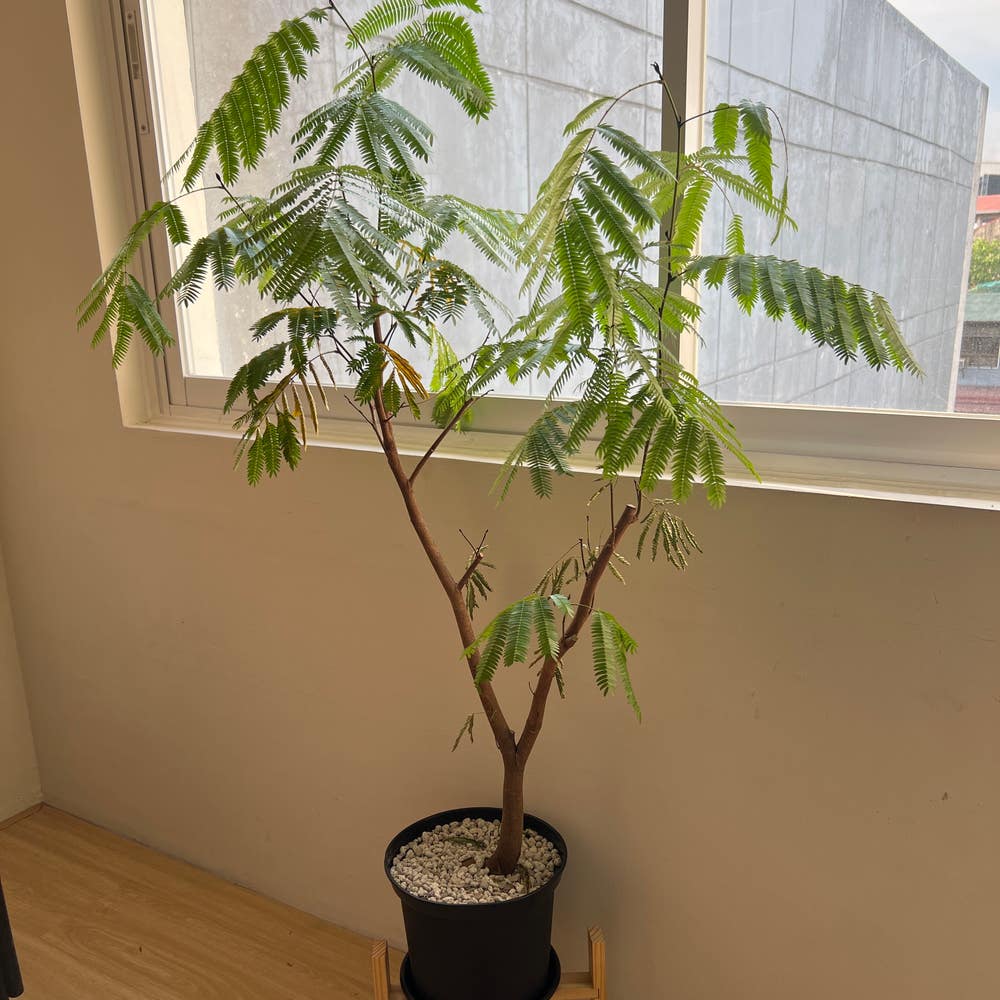
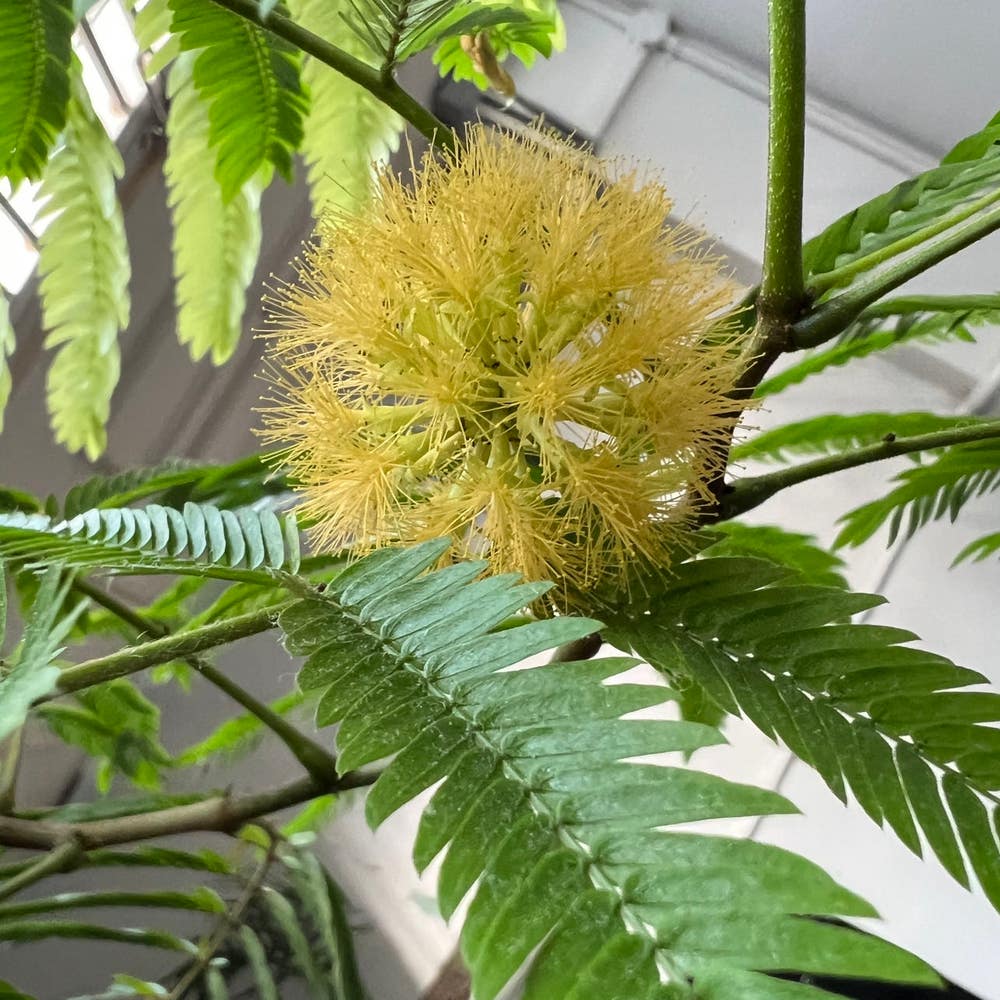
5 Secrets to Thriving Outdoor Soap Tree 🧼
Albizia saponaria
By the Greg Editorial Team
Nov 08, 2024•6 min read
This article was created with the help of AI so we can cover more plants for you. May contain errors. See one? Report it here.
Unlock the secret to a thriving soap tree with essential care tips for sunlight, watering, and protection! 🌳✨
- ☀️ Soap trees need 6-8 hours of sunlight daily for optimal growth and flowering.
- 💧 Water deeply once a week; adjust based on rainfall to prevent root rot.
- 🌱 Well-drained sandy loam with compost boosts growth; avoid waterlogged soil.
Sunlight Requirements
Optimal Sunlight Exposure 🌞
For your outdoor soap tree to thrive, it needs full sun exposure. Aim for at least 6-8 hours of direct sunlight each day to ensure optimal growth and vibrant flowering.
Effects of Insufficient Light 🌑
When your soap tree doesn't get enough light, it can show signs of distress. Look out for stunted growth, fewer flowers, and an increased vulnerability to pests.
Adjusting Light Conditions 🔧
To maximize sunlight for your soap tree, consider a few practical strategies. Prune any surrounding plants that may block light and choose open planting sites to enhance sun exposure.
With the right sunlight conditions, your outdoor soap tree will flourish, setting the stage for the next crucial aspect of its care: watering needs and frequency.
Watering Needs and Frequency
🌊 Watering Guidelines
To keep your outdoor soap tree thriving, water it deeply once a week during dry spells. Adjust your watering schedule based on rainfall to avoid over-saturation.
Check the soil moisture regularly. Ensure the top 2 inches of soil are dry before you water again, as this helps prevent root rot.
🚨 Signs of Overwatering and Underwatering
Be vigilant about the signs of overwatering. Yellowing leaves and root rot are clear indicators that your tree is getting too much water.
On the flip side, underwatering can lead to wilting leaves and dry soil. Keep an eye on these symptoms to maintain a healthy plant.
🌦️ Seasonal Adjustments
As the seasons change, so should your watering habits. Increase watering during the hot summer months to keep your soap tree hydrated.
In cooler seasons, reduce the frequency of watering. This adjustment helps your tree conserve moisture and thrive year-round.
With these watering strategies in place, your outdoor soap tree will be well-equipped to flourish in any season. Next, let’s explore the ideal soil preferences and amendments to further support its growth.
Soil Preferences and Amendments
Ideal Soil Composition 🌱
For your outdoor soap tree to thrive, it needs well-drained sandy loam. Aim for a pH range between 6.0 and 7.5 to create the perfect environment for growth.
Soil Amendments 🌿
Incorporating organic matter, like compost, is essential. It not only improves soil structure but also enhances drainage, ensuring your tree's roots stay healthy.
Drainage Solutions 🚰
If your soil is heavy, consider adding perlite or sand. These amendments will significantly improve drainage, preventing waterlogged conditions that can harm your soap tree.
By focusing on the right soil composition and making necessary amendments, you set the stage for a flourishing outdoor soap tree. Next, let's explore the fertilization schedule and types to keep your tree nourished and vibrant.
Fertilization Schedule and Types
Fertilization Timing 🌱
To ensure your outdoor soap tree thrives, apply a balanced fertilizer in early spring. This timing coincides with the onset of new growth, giving your tree the nutrients it needs to flourish.
Types of Fertilizers 🧪
When choosing fertilizers, consider slow-release granular options for sustained nutrient delivery. Alternatively, organic choices like compost tea or fish emulsion provide a natural boost, enriching the soil without harsh chemicals.
Signs of Nutrient Deficiency ⚠️
Keep an eye out for yellowing leaves, which often signal a nitrogen deficiency. If your tree struggles to produce blooms, it might be lacking phosphorus, indicating a need for nutrient adjustment.
By understanding the right fertilization practices, you can support your outdoor soap tree's health and vitality. Next, let’s explore effective protection strategies to keep your tree safe from environmental stressors and pests.
Protection Strategies
🌧️ Weather Protection Techniques
Mulching is a simple yet effective way to protect your outdoor soap tree. By applying a 2-3 inch layer of mulch, you can retain moisture and regulate soil temperature, creating a stable environment for growth.
During cold snaps, frost protection becomes crucial. Using frost cloths or blankets can shield your tree from harsh temperatures, ensuring it remains healthy through winter.
🐜 Common Outdoor Pests and Control Methods
Outdoor soap trees can attract pests like aphids. Look for curled leaves as a telltale sign; controlling them with insecticidal soap can help keep your tree thriving.
Another common pest is the spider mite, identifiable by webbing on the leaves. Increasing humidity around the plant and using miticides can effectively manage these pests.
🦠 Diseases and Prevention
Root rot is a serious concern for outdoor soap trees, often caused by overwatering. To prevent this, ensure your soil is well-drained and avoid excessive watering.
Fungal infections can also pose a threat. Using fungicides and practicing crop rotation can help prevent these diseases, keeping your tree robust and flourishing.
With these protection strategies in place, your outdoor soap tree will be better equipped to face environmental challenges and pests. Next, let’s explore the seasonal care needed to keep your tree in top shape throughout the year.
Seasonal Care
Spring Care Tips 🌸
Spring is the perfect time to rejuvenate your outdoor soap tree. Start by pruning away any dead or damaged branches to promote healthy new growth.
Next, apply a balanced fertilizer as the tree begins to wake up from its winter dormancy. This will provide the nutrients necessary for robust growth.
Summer Care Considerations ☀️
As temperatures rise, your soap tree will need more attention. Increase your watering frequency and monitor soil moisture closely to prevent stress during the heat.
Additionally, keep an eye out for pests. Regular inspections will help you catch any infestations early, ensuring your tree remains healthy and vibrant.
Fall Preparation for Winter 🍂
As fall approaches, it's time to prepare your soap tree for the colder months. Adding a layer of mulch will protect the roots from frost and help retain soil moisture.
Don’t forget to perform a final pruning. Trim back any dead or diseased wood to keep the tree in top shape for winter.
Winter Care and Protection ❄️
Winter can be harsh, so take steps to protect your soap tree. Cover it with burlap or frost cloth during extreme cold spells to shield it from frost damage.
While watering frequency should be reduced, make sure the soil doesn’t completely dry out. A little moisture will help your tree survive until spring.
With these seasonal care tips, your outdoor soap tree will thrive year-round. Next, let’s explore how climate zones affect its growth and care.
Climate Zone Considerations
🌍 Best Climate Zones
The outdoor soap tree flourishes in USDA zones 8-11, where temperatures are warm and frost is minimal. If you live in these zones, you're in a prime spot for growing this vibrant tree.
🛠️ Adaptation Strategies
In colder regions, consider container planting. This allows you to move the tree indoors during harsh weather, providing essential protection.
In hotter climates, ensure your soap tree receives adequate watering and shade during peak heat. This will help prevent stress and promote healthy growth.
🌪️ Special Care for Extreme Weather
For windy conditions, use windbreaks or plant your soap tree in sheltered areas. This will shield it from harsh gusts that can cause damage.
During drought conditions, implement deep watering techniques and apply mulch. These strategies will help retain moisture and keep your tree thriving even in tough times.
With these climate considerations in mind, you can ensure your outdoor soap tree not only survives but thrives in its environment. Next, let’s explore seasonal care tips to keep your tree healthy year-round.
⚠️ Safety First
This content is for general information and may contain errors, omissions, or outdated details. It is not medical, veterinary advice, or an endorsement of therapeutic claims.
Always consult a qualified healthcare professional before using any plant as food, medicine, or supplement.
Never eat any plant (or feed one to pets) without confirming its identity with at least two trusted sources.
If you suspect poisoning, call Poison Control (800) 222-1222, the Pet Poison Helpline (800) 213-6680, or your local emergency service immediately.
Spotted an error? Please report it here.
Ensure your outdoor soap tree thrives 🌳 by harnessing Greg's personalized care tips for sunlight, watering, and soil health tailored to your unique environment!