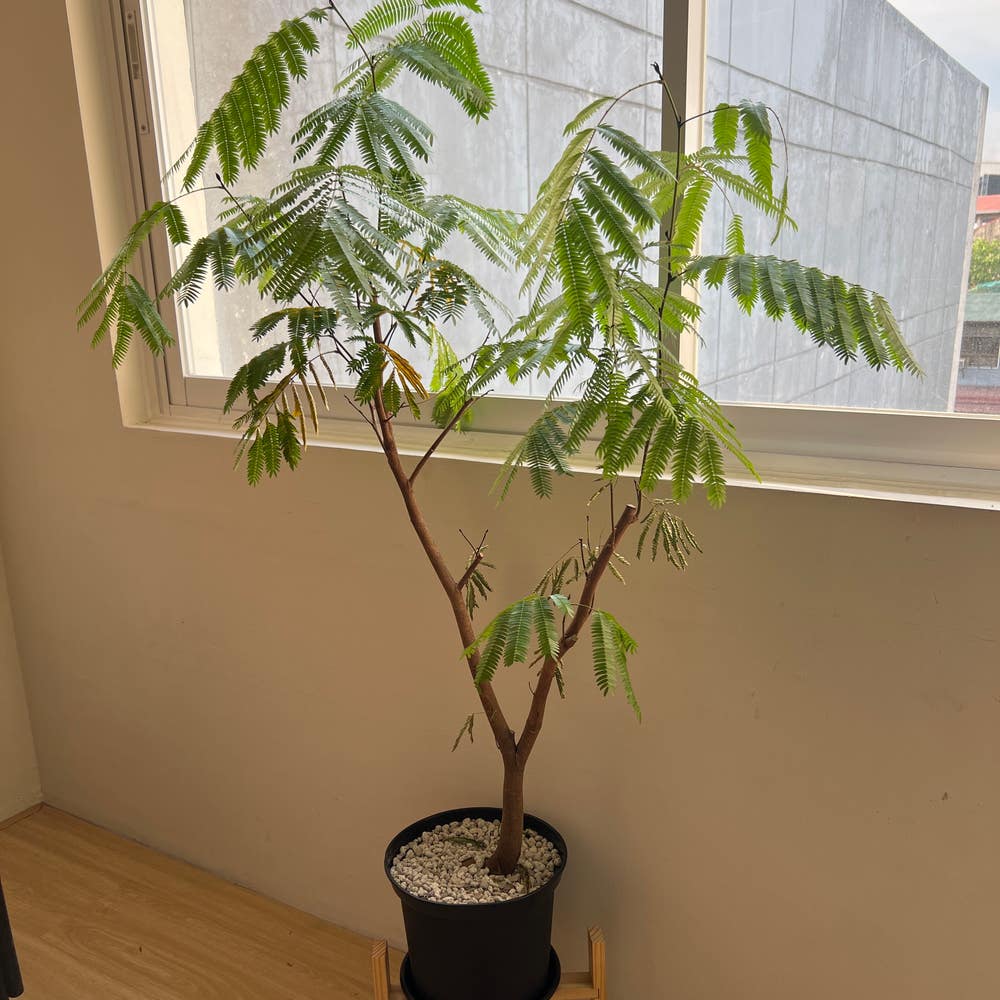
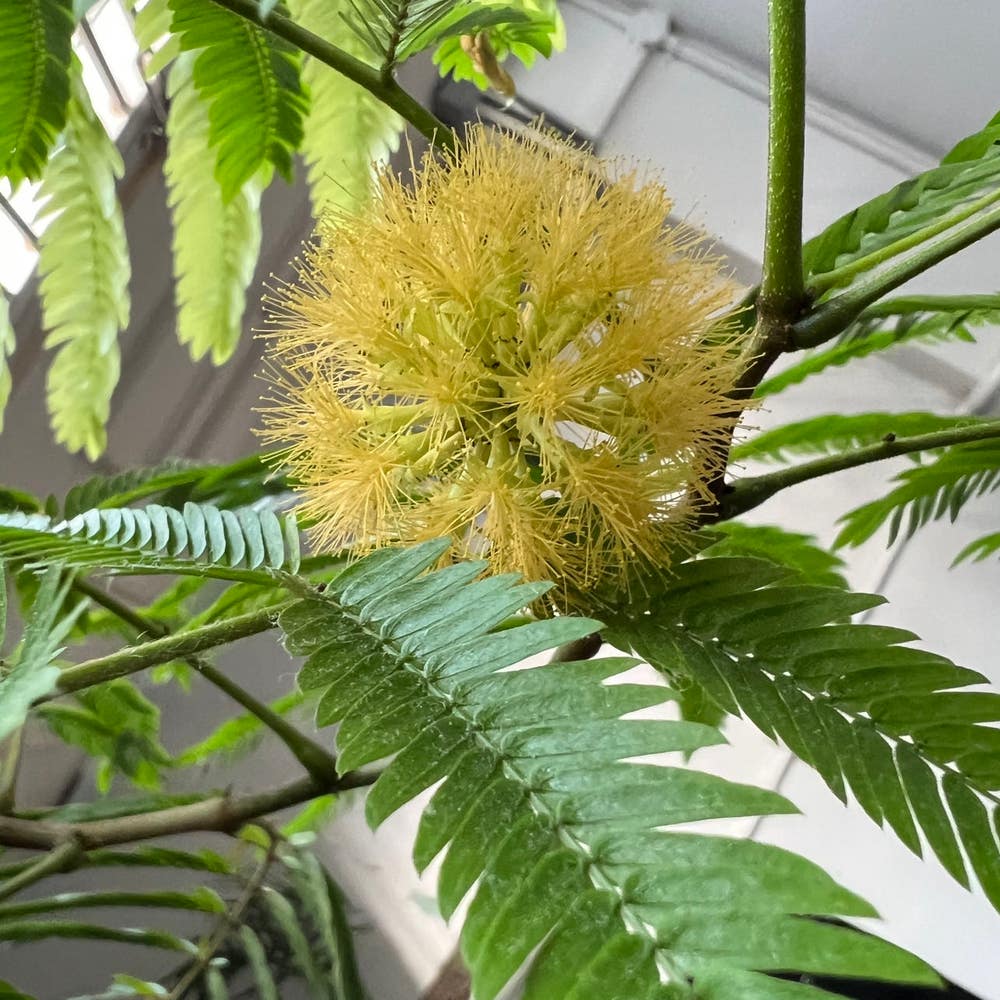
5 Tips for Healing Dropping Leaves on Your Soap Tree 🩹
Albizia saponaria
By the Greg Editorial Team
Nov 08, 2024•5 min read
This article was created with the help of AI so we can cover more plants for you. May contain errors. See one? Report it here.
Master the art of preventing leaf drop 🌱 to keep your Soap Tree thriving and beautiful all year round!
- 🌡️ Maintain 60°F to 80°F for optimal Soap Tree health and to prevent leaf drop.
- 💧 Check humidity levels; low humidity stresses Soap Trees, causing leaf drop.
- 🌞 Provide bright, indirect light; insufficient light leads to leaf drop and leggy growth.
Causes of Leaf Drop
🌪️ Environmental Stress Factors
Temperature fluctuations can significantly affect your Soap Tree. Ideally, keep it in a range of 60°F to 80°F (15°C to 27°C) to promote healthy growth.
Humidity is another crucial factor. Soap Trees thrive in moderate humidity; low levels can lead to stress and subsequent leaf drop.
Transplant shock is a common issue as well. If you've recently repotted or moved your plant, watch for sudden leaf drop as a sign of distress.
💧 Overwatering and Underwatering
Overwatering is a frequent culprit behind leaf drop. Look for yellowing leaves, mushy stems, and signs of root rot.
On the flip side, underwatering can also cause problems. Symptoms include wilting leaves, dry soil, and crispy leaf edges, indicating your plant needs attention.
To maintain optimal soil moisture, allow the soil to dry out between waterings. This balance is key to keeping your Soap Tree healthy.
☀️ Light Conditions and Their Impact
Light conditions play a vital role in your plant's well-being. Soap Trees prefer bright, indirect sunlight for optimal growth.
If your plant isn't getting enough light, you may notice leaf drop, leggy growth, and pale leaves. Conversely, excessive direct sunlight can lead to leaf scorch and browning tips.
🐛 Pest Infestations and Diseases
Pest infestations can wreak havoc on your Soap Tree. Common pests include mealybugs, spider mites, and aphids, which can cause significant damage.
Watch for signs of infestations, such as sticky residue, webbing, and visible insects on leaves. Additionally, be aware of diseases like root rot and fungal infections, often linked to overwatering.
Understanding these causes of leaf drop is essential for effective care. With the right adjustments, you can help your Soap Tree thrive and prevent further issues.
Diagnosing Leaf Drop Issues
Identifying Symptoms of Leaf Drop 🌿
Recognizing the early signs of leaf drop is crucial for your Soap Tree's health. Look out for yellowing leaves, curling foliage, and premature leaf fall, which can indicate stress.
It's also important to distinguish between natural leaf drop and problematic issues. Seasonal changes can cause some leaves to fall, but if you notice excessive dropping, it may be due to environmental stress.
Assessing Soil Moisture Levels 💧
To ensure your Soap Tree is getting the right amount of water, regularly assess the soil moisture. A moisture meter or a simple finger test—pushing your finger 2 inches deep into the soil—can help you gauge moisture levels effectively.
The ideal moisture level should be slightly moist but never soggy. This balance is essential to prevent root rot and keep your plant thriving.
Checking for Pests and Diseases 🐛
Conducting a visual inspection is key to identifying pests and diseases. Check the undersides of leaves and along stems for any signs of pests like mealybugs or spider mites.
Additionally, watch for symptoms of disease, such as fungal spots, wilting, or unusual leaf discoloration. Early detection can make a significant difference in managing these issues effectively.
By diagnosing these leaf drop issues promptly, you can take the necessary steps to restore your Soap Tree's health and vitality. Next, let’s explore solutions for leaf drop to ensure your plant thrives.
Solutions for Leaf Drop
🌊 Adjusting Watering Practices
Establishing a consistent watering schedule is crucial for your Soap Tree's health. Water your plant when the top 2 inches of soil feel dry to the touch.
Using well-draining soil is another key factor. A recommended mix includes sand and perlite to promote proper drainage.
Finally, monitor drainage closely. Ensure your pots have drainage holes to prevent water accumulation, which can lead to root rot.
💡 Modifying Light Exposure
Relocating your plant can make a significant difference. Move it to a spot where it receives bright, indirect light for optimal growth.
If your Soap Tree is near windows, consider using sheer curtains. This will help diffuse harsh sunlight and protect the leaves from scorching.
🐛 Treating Pests and Diseases
When it comes to pest control, neem oil is effective against soft-bodied insects like mealybugs and spider mites. For severe infestations, insecticidal soap can provide a more aggressive treatment.
For disease management, start by removing any affected leaves. Improving air circulation around the plant can also help prevent future issues.
By implementing these solutions, you can effectively address leaf drop and promote a healthier Soap Tree. Next, let’s explore some preventative measures to keep your plant thriving long-term.
Preventative Measures
Best Practices for Soap Tree Care 🌱
Establishing a regular watering routine is crucial for your Soap Tree's health. Adjust your watering schedule based on seasonal changes to ensure your plant thrives year-round.
Additionally, perform soil checks to confirm that it remains well-draining and aerated. This will help prevent issues like root rot and promote healthy growth.
Seasonal Adjustments for Optimal Health ☀️
During winter, reduce your watering frequency and provide additional light to compensate for shorter days. This helps your Soap Tree conserve energy and stay healthy.
In summer, increase your watering and keep a close eye on pests. The warmer weather can lead to more frequent infestations, so vigilance is key.
Regular Monitoring and Maintenance 🔍
Conduct weekly inspections of your Soap Tree to check for signs of stress, pests, or diseases. Early detection can make a significant difference in your plant's recovery.
Be prepared to adjust care based on observed conditions. Modifying your watering and light exposure as needed will keep your Soap Tree in optimal health.
By implementing these preventative measures, you can enjoy a thriving Soap Tree that adds beauty to your space. Next, let’s explore how to effectively diagnose leaf drop issues.
⚠️ Safety First
This content is for general information and may contain errors, omissions, or outdated details. It is not medical, veterinary advice, or an endorsement of therapeutic claims.
Always consult a qualified healthcare professional before using any plant as food, medicine, or supplement.
Never eat any plant (or feed one to pets) without confirming its identity with at least two trusted sources.
If you suspect poisoning, call Poison Control (800) 222-1222, the Pet Poison Helpline (800) 213-6680, or your local emergency service immediately.
Spotted an error? Please report it here.
Keep your Soap Tree thriving 🌱 by using Greg's tailored care reminders to maintain optimal temperature, humidity, and watering balance for a lush, happy plant!