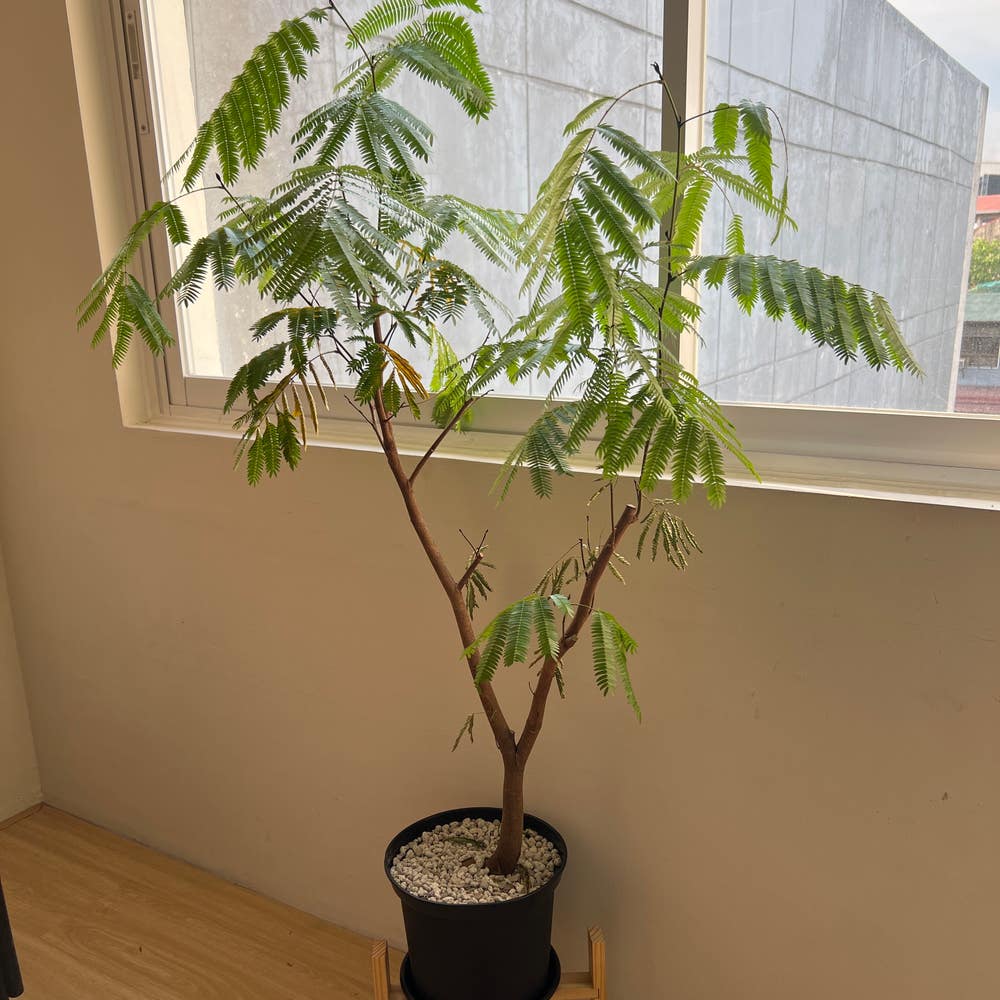
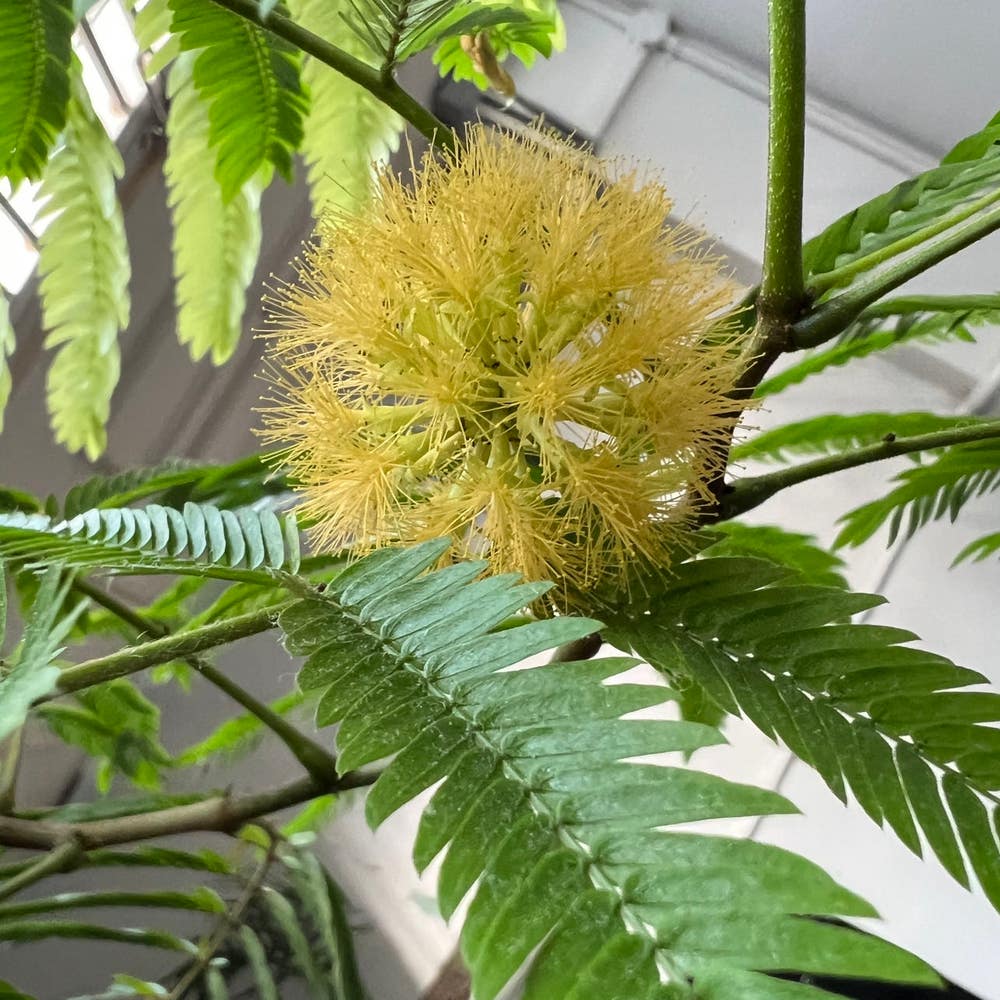
What to Do if Your Soap Tree Won't Flower 🌸
Albizia saponaria
By the Greg Editorial Team
Nov 08, 2024•5 min read
This article was created with the help of AI so we can cover more plants for you. May contain errors. See one? Report it here.
Transform your Soap Tree into a blooming beauty 🌸 with essential care tips and seasonal insights!
- 🌞 Soap Trees need 6-8 hours of sunlight daily to bloom effectively.
- 💧 Consistent watering and well-draining soil prevent stress and promote flowering.
- 🌱 Nutrient deficiencies, especially phosphorus, can hinder your Soap Tree's ability to flower.
Common Reasons for Failure to Bloom
🌡️ Environmental Stress Factors
Extreme temperatures can be a significant barrier to your Soap Tree's blooming potential. High heat or sudden cold snaps can shock the plant, leading to a lack of flowers.
Water stress is another culprit. Both overwatering and underwatering can disrupt the plant's health, ultimately resulting in failure to bloom.
🌞 Light and Nutritional Needs for Blooming
Insufficient sunlight is a common issue for Soap Trees. They thrive in full sun, requiring at least 6-8 hours of direct sunlight daily to produce vibrant blooms.
Nutrient deficiencies can also hinder flowering. A lack of essential nutrients, particularly phosphorus, can lead to poor flower production, leaving your Soap Tree looking less than its best.
By addressing these environmental and nutritional factors, you can significantly improve your Soap Tree's chances of blooming beautifully. Next, let's explore the causes of premature flower drop and how to prevent it.
Causes of Premature Flower Drop
🌡️ Factors Leading to Bud Drop
Premature flower drop in Soap Trees can often be traced back to environmental stressors. Sudden changes in temperature or humidity can shock the plant, causing it to drop its buds before they have a chance to bloom.
Inconsistent watering is another culprit. Fluctuations in soil moisture—whether too dry or too soggy—can stress the plant, leading to bud drop. Maintaining a consistent watering schedule is crucial for keeping your Soap Tree healthy and blooming.
🌼 Abnormal Flower Development
Pests and diseases can wreak havoc on your Soap Tree, leading to abnormal flower development. Infestations weaken the plant, making it more susceptible to dropping buds and failing to produce healthy flowers.
Genetic factors also play a role. Some Soap Trees may have inherent issues that affect their ability to flower properly. Understanding these factors can help you identify potential problems early on, allowing for timely intervention.
By recognizing the signs of stress and abnormal development, you can take proactive steps to nurture your Soap Tree back to health. This awareness not only enhances your gardening skills but also fosters a deeper connection with your plant.
Next, we’ll explore effective pruning and maintenance techniques to encourage blooming in your Soap Tree.
Pruning and Maintenance for Flowering
🌸 Best Pruning Practices to Encourage Blooms
Pruning your Soap Tree is essential for promoting healthy growth and vibrant blooms. The key is to use proper cutting techniques that encourage new growth while removing any dead or damaged branches.
When pruning, aim to make clean cuts just above a leaf node. This encourages the plant to branch out and produce more flowers. Avoid cutting too much at once; a little goes a long way in stimulating growth.
⏰ Timing of Pruning
Timing is crucial when it comes to pruning your Soap Tree. The best time to prune is just after the flowering season, allowing the tree to recover and prepare for the next bloom cycle.
In general, late winter or early spring is ideal. This timing aligns with the Soap Tree's natural growth cycle, ensuring that your pruning efforts lead to a bountiful display of flowers when the season arrives.
By following these pruning practices and timing guidelines, you can significantly enhance your Soap Tree's flowering potential. Now that you’re equipped with pruning knowledge, let’s explore how seasonal changes can affect the bloom cycle.
Seasonal Considerations
How Seasonal Changes Affect the Bloom Cycle 🌸
Seasonal changes play a crucial role in the blooming cycle of Soap Trees. Temperature fluctuations and varying daylight hours act as natural triggers that signal the plant when to bloom.
In spring, as temperatures rise and days lengthen, Soap Trees begin to prepare for flowering. This is the ideal time for them to showcase their vibrant blooms, typically occurring from late spring to early summer.
Blooming Patterns 🌼
Understanding the typical blooming patterns of Soap Trees can help you anticipate their flowering. Generally, these trees bloom once a year, with the peak bloom period lasting several weeks.
To maximize your Soap Tree's blooming potential, monitor seasonal changes closely. Adjusting care routines in response to these changes can lead to more robust flowering.
Problem-Solving Techniques
🌱 Identifying and Addressing Environmental Stressors
Recognizing when your Soap Tree is under stress is crucial for restoring its health and encouraging blooming. Look for signs like yellowing leaves, wilting, or stunted growth, which indicate that something is amiss.
Another indicator of stress is leaf drop, especially if it occurs suddenly. If you notice these symptoms, it's time to investigate further.
🛠️ Solutions to Mitigate Stress
To help your Soap Tree thrive, start by assessing its environment. Ensure it’s planted in well-draining soil and receives adequate sunlight—at least 6-8 hours a day.
Next, check your watering routine. Both overwatering and underwatering can lead to stress, so aim for a consistent moisture level. Water deeply but infrequently, allowing the soil to dry out slightly between watering sessions.
Additionally, consider the temperature. Protect your Soap Tree from extreme heat or unexpected cold snaps by providing shade or insulation as needed.
Lastly, ensure your tree is getting the right nutrients. A balanced fertilizer can help address deficiencies, particularly phosphorus, which is vital for blooming.
By taking these practical steps, you can alleviate stress and encourage your Soap Tree to flourish. With the right care, your tree will be on its way to producing beautiful blooms.
As you implement these solutions, keep an eye on your tree's progress. This ongoing observation will help you adjust your care routine and ensure your Soap Tree thrives in the long run.
⚠️ Safety First
This content is for general information and may contain errors, omissions, or outdated details. It is not medical, veterinary advice, or an endorsement of therapeutic claims.
Always consult a qualified healthcare professional before using any plant as food, medicine, or supplement.
Never eat any plant (or feed one to pets) without confirming its identity with at least two trusted sources.
If you suspect poisoning, call Poison Control (800) 222-1222, the Pet Poison Helpline (800) 213-6680, or your local emergency service immediately.
Spotted an error? Please report it here.
Get your Soap Tree to bloom brilliantly 🌸 by using Greg's tailored care reminders and tips to ensure it gets the right sunlight, water, and nutrients!