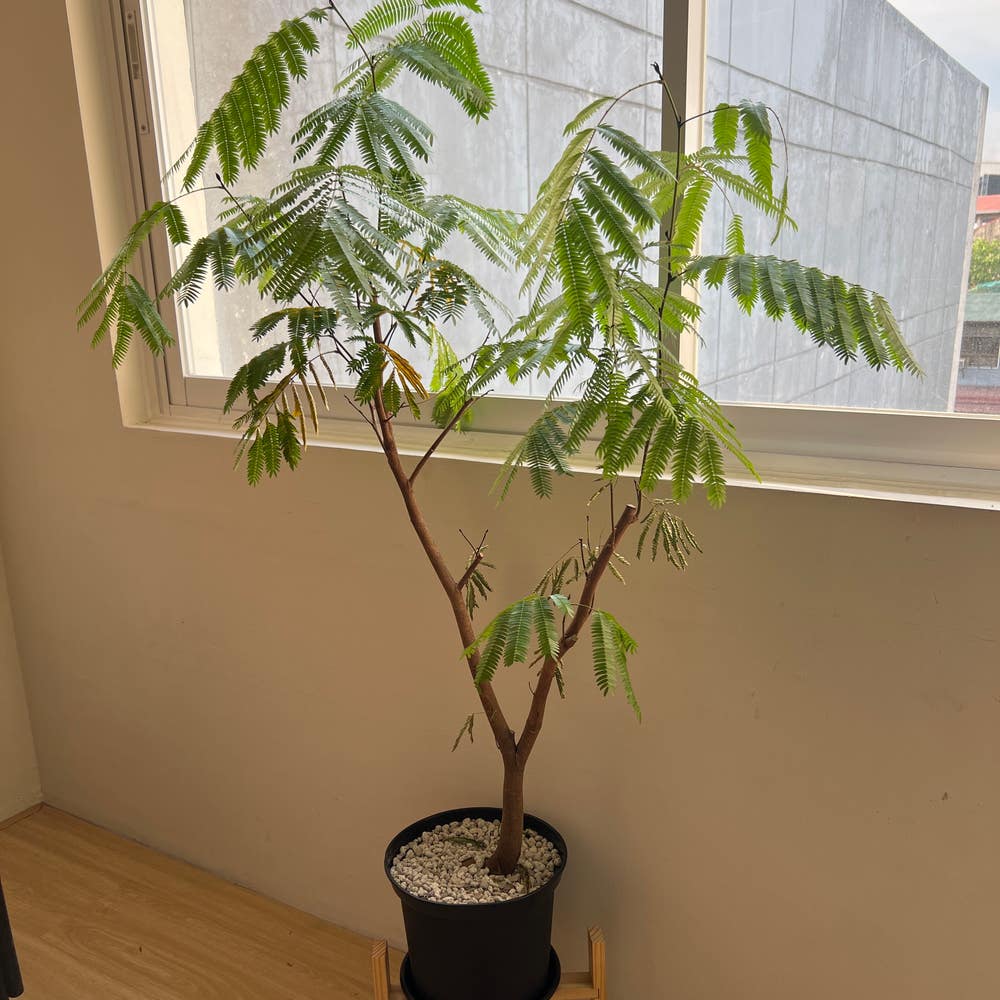
🧼 How to Fix Droopy Leaves on Your Soap Tree
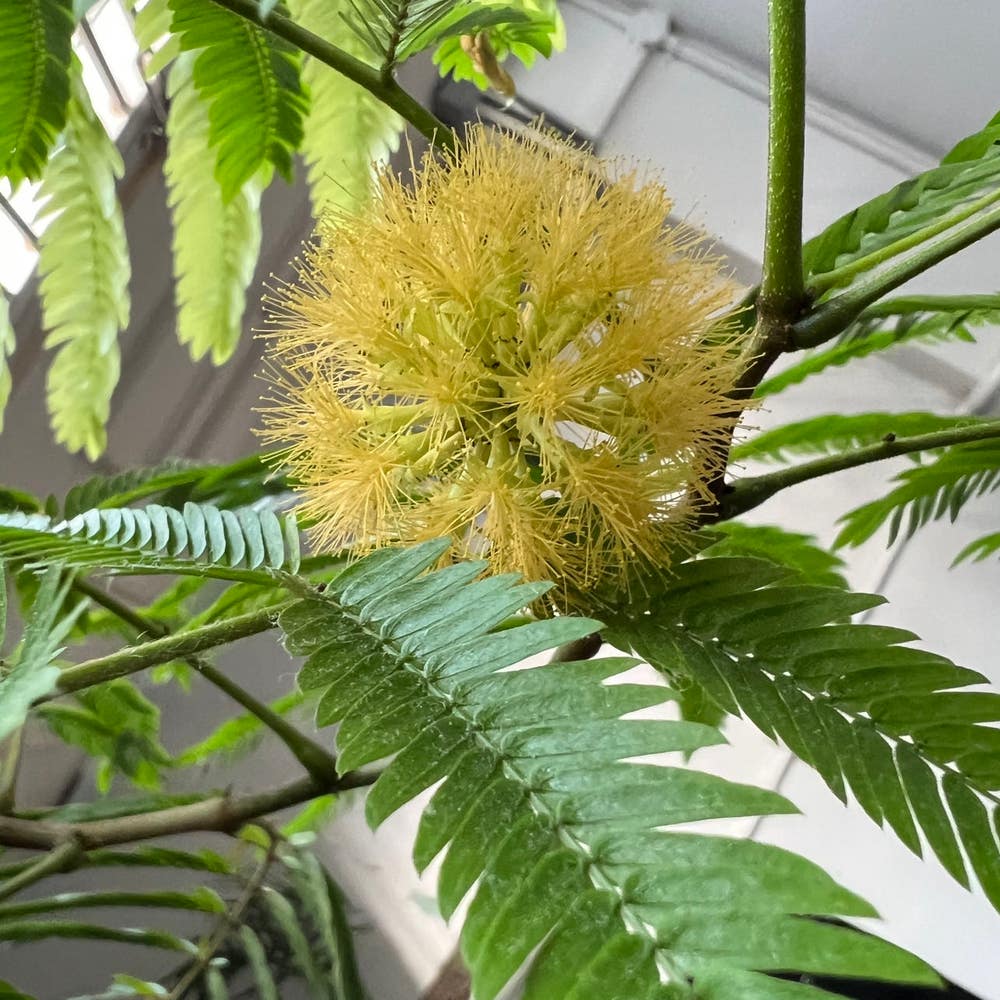
Albizia saponaria
By the Greg Editorial Team
Nov 08, 2024•5 min read
This article was created with the help of AI so we can cover more plants for you. May contain errors. See one? Report it here.
Transform your droopy Soap Tree leaves 🌱 into a vibrant display with these quick care solutions!
- 🌱 Droopy leaves result from overwatering, underwatering, pests, or poor soil conditions.
- 💧 Well-draining soil and consistent watering schedules prevent droopy leaves effectively.
- 🐛 Monitor for pests like aphids and spider mites to maintain leaf health.
Common Causes of Droopy Leaves
💧 Overwatering
Overwatering is a common culprit behind droopy leaves on your Soap Tree. Look for signs like yellowing leaves, a mushy texture, and, of course, drooping.
To check for root health, inspect the roots for rot. Dark, mushy roots indicate trouble, while consistently wet soil after watering suggests you're giving your plant too much love.
🌵 Underwatering
On the flip side, underwatering can also lead to droopy leaves. If you notice crispy edges, browning tips, and drooping, your Soap Tree might be thirsty.
Examine the soil moisture; dry, compacted soil that pulls away from the pot is a telltale sign. Wilting that persists even after watering means it’s time to adjust your watering routine.
🐜 Pest Infestations
Pests can wreak havoc on your Soap Tree, leading to droopy leaves. Common offenders include aphids, those tiny green insects lurking on leaf undersides, and spider mites, which leave fine webbing and stippled leaves in their wake.
Keep an eye out for visible insects, webbing, or any leaf damage. Early detection is key to preventing a full-blown infestation.
🌱 Soil Conditions
Soil conditions play a crucial role in the health of your Soap Tree. Well-draining soil is essential to prevent droopy leaves, as it allows excess water to escape.
To test soil drainage, pour water onto the soil and observe how quickly it absorbs. Ideally, a sandy loam mix works best for your Soap Tree, providing the right balance of moisture retention and drainage.
Understanding these common causes will help you diagnose and address droopy leaves effectively. Next, let’s explore practical solutions to revive your Soap Tree and keep it thriving.
Solutions for Droopy Leaves
🌊 Adjusting Watering Practices
Establishing a consistent watering schedule is crucial for your Soap Tree's health. Water when the top 1-2 inches of soil are dry, ensuring you give it a thorough soak until water drains from the bottom.
Monitoring moisture levels can prevent overwatering or underwatering. Consider using a moisture meter for accurate readings, which helps you gauge when your plant truly needs water.
🪴 Improving Soil Drainage
Enhancing soil drainage is essential for preventing droopy leaves. You can achieve this by adding perlite or sand to your existing soil mix, which improves aeration and drainage.
Repotting your Soap Tree in a container with drainage holes is another effective technique. Choosing pots that promote airflow is vital, as it allows excess moisture to escape and keeps roots healthy.
🐛 Treating Pest Problems
Identifying the right treatment for common pests can save your Soap Tree from significant damage. Neem oil is a popular choice; apply it every 7-14 days to keep pests at bay.
Insecticidal soap is another effective option. Use it according to the instructions, and remember to check your plant weekly for any signs of pests to catch infestations early.
🌞 Environmental Adjustments
Ensuring your Soap Tree receives adequate sunlight is key to its vitality. Aim for 6-8 hours of sunlight daily to keep those leaves perky and vibrant.
Humidity control is also important. Maintain moderate humidity levels, ideally between 40-60%, to create a comfortable environment for your plant.
Temperature considerations matter too. Keep your Soap Tree in an ideal range of 20°C to 30°C (68°F to 86°F) to promote healthy growth and prevent drooping leaves.
With these solutions in place, your Soap Tree will be on its way to thriving. Next, let’s explore some preventative measures to keep your plant healthy in the long run.
Preventative Measures
Best Practices for Soap Tree Care 🌱
To keep your Soap Tree thriving, establish a regular watering schedule. Consistency is crucial; aim to water when the top 1-2 inches of soil feel dry.
Fertilizing your Soap Tree is also essential. Use a balanced NPK fertilizer during the growing season to provide the nutrients it needs for healthy growth.
Seasonal Care Tips ☀️
Adjust your care practices with the changing seasons. In winter, reduce watering frequency to prevent over-saturation.
During summer, increase your monitoring for moisture needs, as the plant may require more water. Additionally, conduct seasonal pest checks to stay ahead of any infestations.
Regular Monitoring and Maintenance 🔍
Routine checks for leaf health are vital. Look for any signs of drooping or discoloration to catch issues early.
Keeping a care journal can be incredibly helpful. Document your watering, fertilizing, and any pest issues to track your Soap Tree's health over time.
By implementing these preventative measures, you can ensure your Soap Tree remains vibrant and healthy, setting the stage for a flourishing plant. Next, let’s explore when it might be necessary to seek professional help for your Soap Tree.
When to Seek Professional Help
Signs That Indicate a Serious Issue 🛑
If your Soap Tree's leaves continue to droop despite your best care efforts, it may be time to seek professional help. Persistent drooping can signal deeper issues that require expert attention.
Look for signs of severe pest damage or disease. If you notice significant leaf discoloration, wilting, or unusual growth patterns, these could be red flags.
Additionally, inspect the roots for visible problems. Dark, mushy roots often indicate root rot, which can be challenging to remedy without professional intervention.
Consulting with a Plant Specialist or Arborist 🧑🌾
Knowing when to consult a plant specialist or arborist can save your Soap Tree. If you've tried adjusting care practices and still see no improvement, it’s wise to get a second opinion.
Experts can provide a thorough diagnosis and recommend tailored treatment options. Their experience can be invaluable in addressing complex issues that might not be apparent to the untrained eye.
In summary, don’t hesitate to reach out for help if your Soap Tree shows signs of distress. Early intervention can make all the difference in restoring its health and vitality.
⚠️ Safety First
This content is for general information and may contain errors, omissions, or outdated details. It is not medical, veterinary advice, or an endorsement of therapeutic claims.
Always consult a qualified healthcare professional before using any plant as food, medicine, or supplement.
Never eat any plant (or feed one to pets) without confirming its identity with at least two trusted sources.
If you suspect poisoning, call Poison Control (800) 222-1222, the Pet Poison Helpline (800) 213-6680, or your local emergency service immediately.
Spotted an error? Please report it here.
Revive your Soap Tree's perky leaves 🌱 by using Greg's tailored watering reminders and pest control tips to keep it thriving and droop-free!