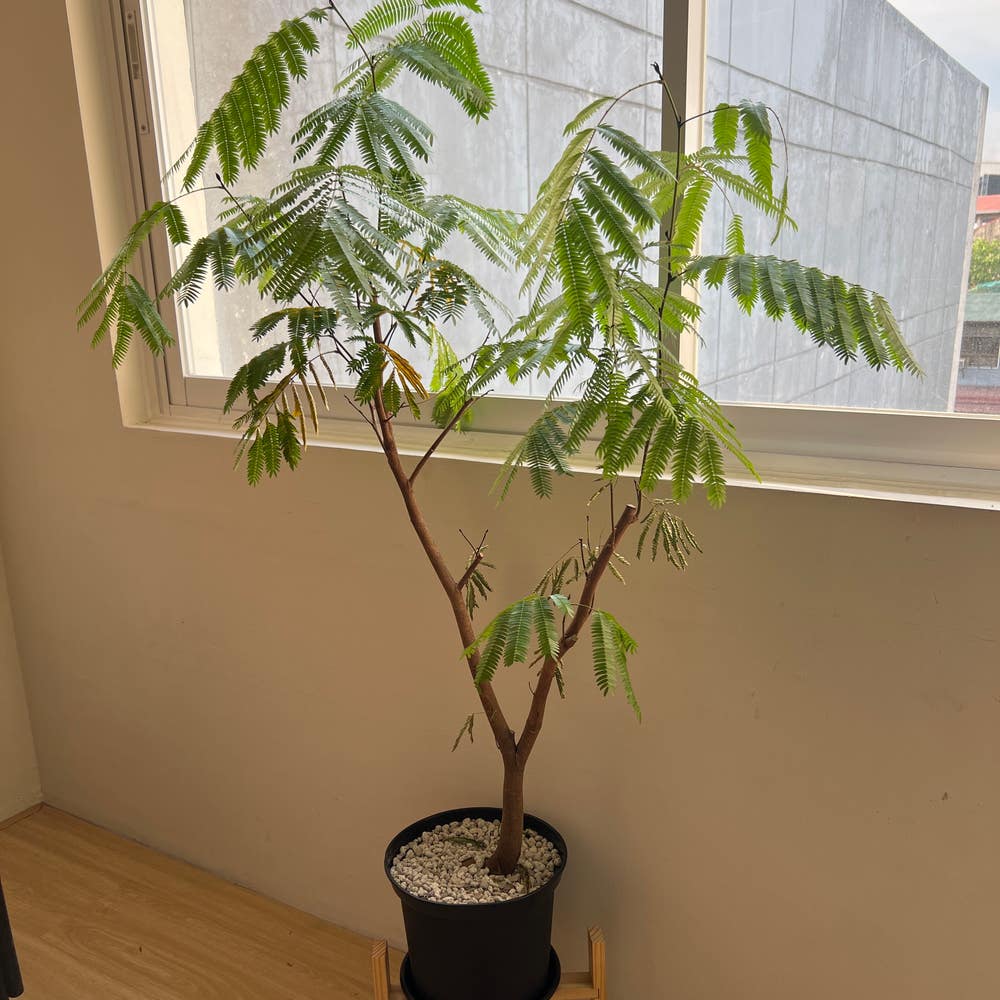
🧼 3 Tips for Pruning Soap Tree
Albizia saponaria
By the Greg Editorial Team
Nov 08, 2024•4 min read
This article was created with the help of AI so we can cover more plants for you. May contain errors. See one? Report it here.
Unlock vibrant growth and stunning blooms for your soap tree 🌳 with these essential pruning tips!
- 🌱 Prune soap trees late winter to early spring for optimal growth before new leaves.
- ❌ Avoid pruning during extreme weather to reduce stress and promote healthy recovery.
- ✂️ Look for dead branches and overcrowding as signs your soap tree needs pruning.
When to Prune
🌱 Best Seasons for Pruning
The best time to prune your soap tree is late winter to early spring. This timing allows you to tackle the job before new growth begins, ensuring your tree is ready to thrive.
Avoid pruning during extreme heat or frost periods. These conditions can stress the plant and lead to poor recovery.
🔍 Signs That Pruning is Needed
Look for dead or damaged branches, which often show discoloration or brittleness. These are clear indicators that it's time to take action.
Overcrowded growth is another sign. If branches are crossing or rubbing against each other, they need to be thinned out for better air circulation.
Unbalanced shape can also detract from your tree's aesthetics. If your soap tree appears lopsided, it's a good idea to prune it back into a more pleasing form.
⏰ Timing Considerations Based on Growth Cycle
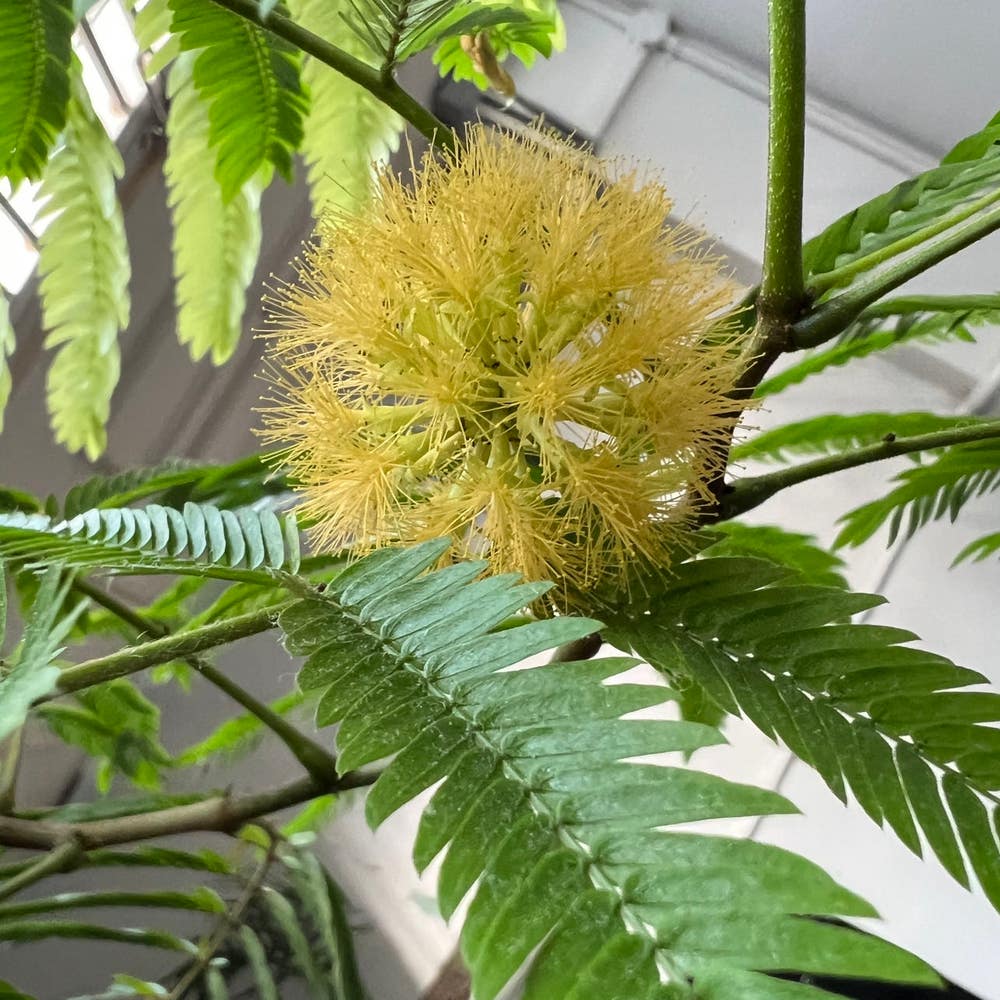
Pruning after flowering is crucial to avoid cutting off potential blooms. This ensures that your soap tree can produce flowers in the next cycle.
Monitor growth patterns closely. Pruning during active growth can make shaping easier and promote a healthier structure.
By paying attention to these signs and timing considerations, you can keep your soap tree healthy and looking its best. Next, let’s dive into the practical steps for how to prune effectively.
How to Prune
Pruning your soap tree can seem daunting, but with the right approach, it can be a rewarding experience. Here’s a straightforward guide to help you through the process.
Step-by-Step Pruning Instructions 🌱
Assess the plant: Start by examining your soap tree. Identify branches that need removal based on their health and shape.
Start with dead or diseased branches: Focus on cutting back any dead or diseased branches to healthy tissue. This helps the plant thrive.
Thin out crowded areas: Look for branches that cross or rub against each other. Remove these to improve airflow and reduce competition for nutrients.
Shape the plant: Trim the remaining branches to maintain a balanced and aesthetically pleasing form. This will enhance the overall look of your soap tree.
Clean up: After pruning, make sure to remove all cuttings from the base of the plant. This prevents disease and keeps your garden tidy.
Techniques for Shaping and Thinning ✂️
Thinning cuts: Use thinning cuts to remove entire branches at their base. This reduces density and allows more light to reach the inner parts of the tree.
Heading cuts: Apply heading cuts to shorten branches. This encourages bushier growth and a fuller appearance.
How to Handle Overgrown Branches 🌳
Gradual reduction: If your soap tree is overgrown, avoid cutting more than 25% of the plant at once. This helps prevent shock and stress.
Identify the main structure: Focus on maintaining the natural shape of the tree. This will keep it looking healthy and vibrant.
By following these steps, you can ensure your soap tree remains healthy and beautiful. Next, let’s explore the importance of deadheading to promote continuous blooming.
Common Pruning Mistakes
🛑 Mistakes to Avoid
Pruning can be a delicate balance, and several common mistakes can hinder your soap tree's health.
- Over-pruning: Removing too much foliage can stress the plant, leading to poor growth and vulnerability to pests.
- Incorrect timing: Pruning during extreme weather, whether too hot or too cold, can harm the plant and stunt its recovery.
- Neglecting tool hygiene: Failing to disinfect your tools can spread diseases, putting your entire garden at risk.
🔍 How to Recognize and Correct Errors
Recognizing the signs of stress in your soap tree is crucial for effective care.
- Signs of stress: Look for wilting, yellowing leaves, or stunted growth, which often indicate over-pruning.
- Corrective measures: If you notice these signs, allow the plant to recover before attempting further pruning. Focus on proper techniques in the future to ensure a healthier plant.
By avoiding these common pitfalls, you can maintain the vitality and beauty of your soap tree. This will set the stage for effective post-pruning care, ensuring your plant thrives in the seasons to come.
Post-Pruning Care
Care Tips After Pruning 🌱
After pruning your soap tree, proper care is essential for its recovery and growth. Start with watering: ensure the soil is moist but not soggy, as overwatering can lead to root rot.
Next, consider fertilization. Applying a balanced fertilizer will provide the nutrients needed to support new growth and help the plant bounce back stronger.
Monitoring Plant Health 👀
Regular inspections are crucial after pruning. Keep an eye out for signs of stress, such as wilting leaves or unusual discoloration.
Be prepared to adjust your care routine based on how the plant responds. Modify watering and feeding as necessary to ensure your soap tree thrives after its trim.
With attentive care, your soap tree will flourish, setting the stage for vibrant blooms and healthy growth in the seasons to come.
⚠️ Safety First
This content is for general information and may contain errors, omissions, or outdated details. It is not medical, veterinary advice, or an endorsement of therapeutic claims.
Always consult a qualified healthcare professional before using any plant as food, medicine, or supplement.
Never eat any plant (or feed one to pets) without confirming its identity with at least two trusted sources.
If you suspect poisoning, call Poison Control (800) 222-1222, the Pet Poison Helpline (800) 213-6680, or your local emergency service immediately.
Spotted an error? Please report it here.
Transform your soap tree into a vibrant masterpiece 🌳 by using Greg's tailored pruning reminders and care tips to keep it healthy and thriving!