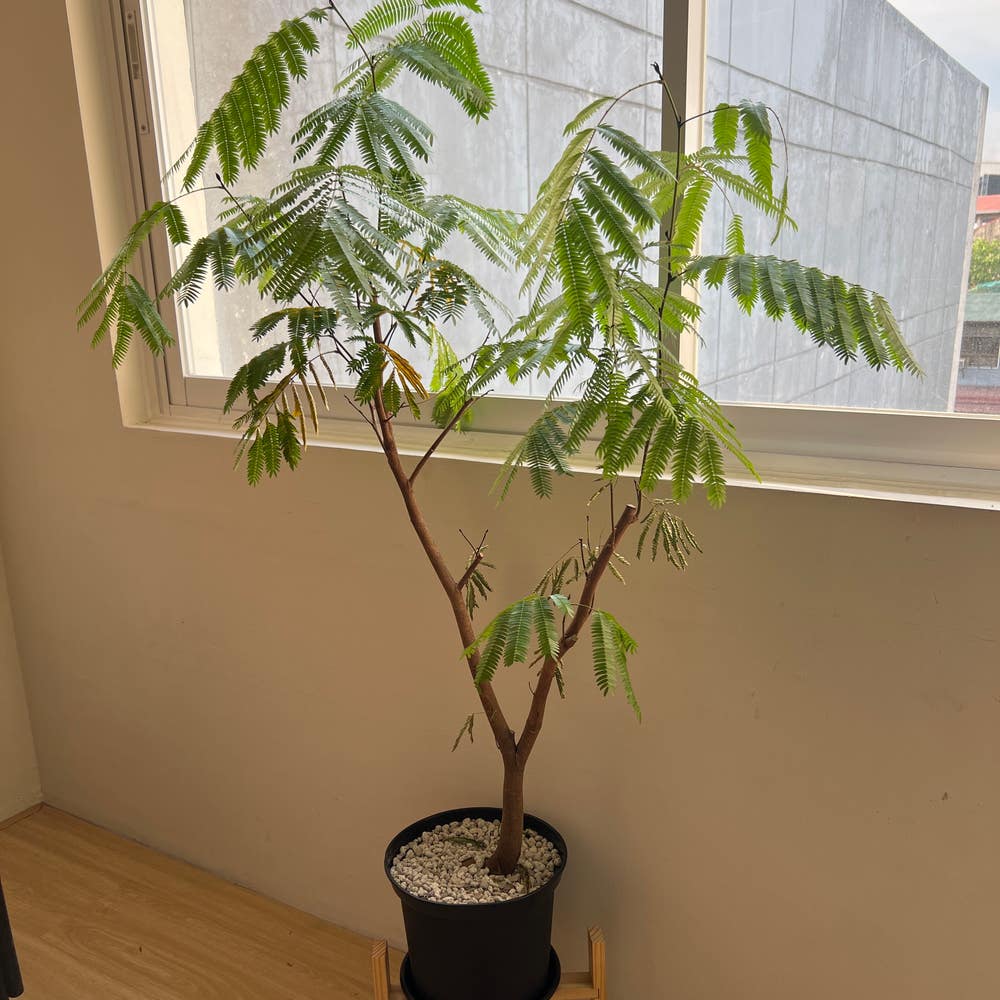
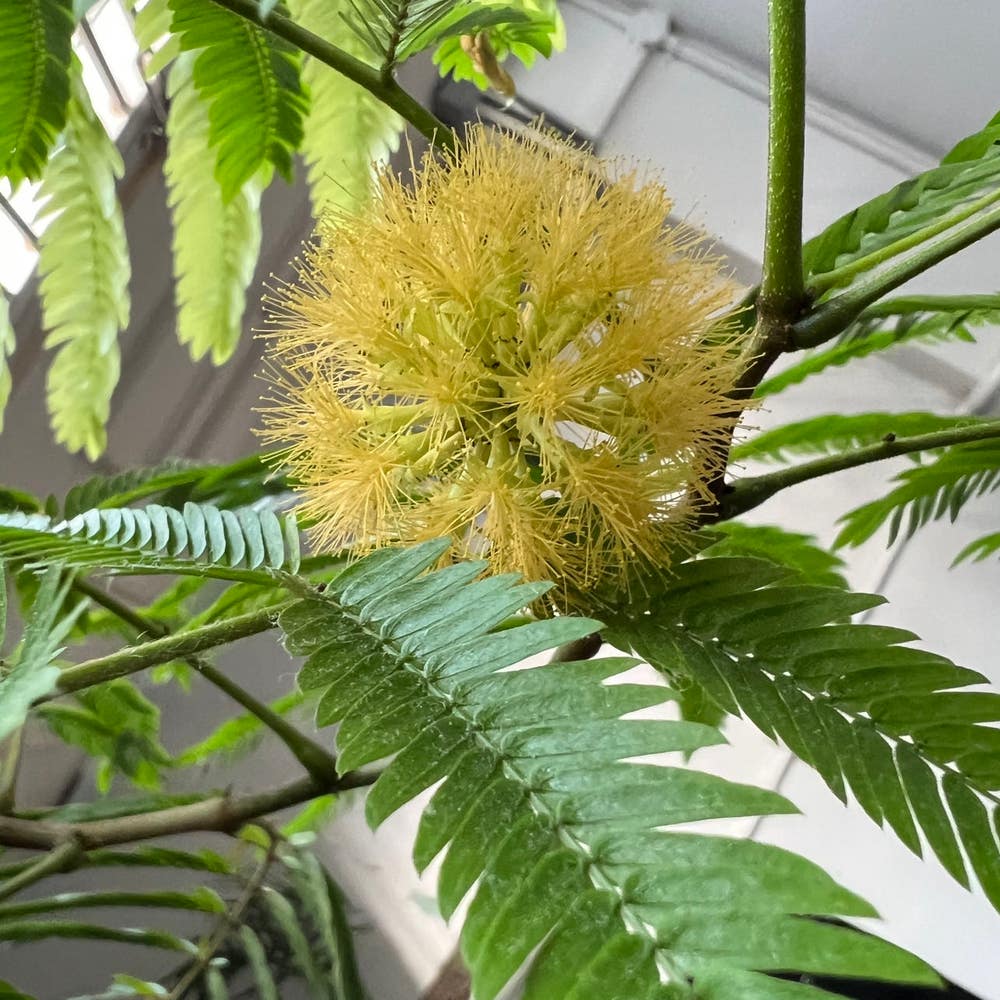
🌳 Soap Tree Growth: Height vs. Width
Albizia saponaria
By the Greg Editorial Team
Nov 08, 2024•5 min read
This article was created with the help of AI so we can cover more plants for you. May contain errors. See one? Report it here.
Master the art of growing vibrant Soap Trees 🌱 with essential tips for size management and thriving conditions!
- 🌳 Soap Trees grow 20-30 feet tall and 15-25 feet wide, perfect for landscapes.
- 🌞💧 Optimal conditions like sunlight and water are crucial for maximum growth.
- ✂️ Pruning in late winter helps manage size and promotes healthy growth patterns.
Mature Height and Width
📏 Typical Mature Dimensions
The Soap Tree typically reaches a mature height of 20 to 30 feet and spreads out to about 15 to 25 feet in width. These dimensions make it a striking presence in any landscape, offering both shade and beauty.
🌱 Factors Influencing Mature Size
Several factors can influence the mature size of a Soap Tree. Optimal growing conditions, including high-quality soil, ample sunlight, and sufficient water availability, are crucial for achieving its full potential.
Environmental factors also play a significant role in size variability. Trees may grow differently based on local climate conditions, soil types, and even competition from nearby plants.
Understanding these influences can help you create the best environment for your Soap Tree to thrive. By ensuring it has the right conditions, you can enjoy a robust and healthy tree that enhances your outdoor space.
As we delve deeper into the growth characteristics of the Soap Tree, we’ll explore its growth rate and the time it takes to reach full size.
Growth Rate
Average Growth Rate 🌱
The growth rate of Soap Trees can vary widely based on their environmental conditions. In ideal settings, with rich soil, ample sunlight, and sufficient water, these trees can flourish and grow rapidly.
Conversely, poor conditions can significantly hinder their development. Factors like drought, nutrient-deficient soil, or inadequate light can slow their growth considerably.
Time Taken to Reach Full Size ⏳
On average, Soap Trees take about 10 to 15 years to reach their mature size. This timeframe can fluctuate based on several factors, including the tree's variety and the care it receives.
Certain conditions, such as optimal watering and fertilization, can accelerate growth. Conversely, stressors like pests or extreme weather can delay their journey to full size.
Size Variability
Differences Between Dwarf and Giant Varieties 🌳
When it comes to Soap Trees, size matters. The Dwarf Soap Tree typically reaches a maximum height of 10 feet, making it an excellent choice for smaller gardens or confined spaces.
In contrast, the Giant Soap Tree can soar beyond 30 feet, demanding ample room to thrive. This significant size difference means that selecting the right variety is crucial based on your available space and landscaping goals.
Regional Size Differences Based on Growing Conditions 🌍
Size variability isn't just about the tree type; it also hinges on where you plant them. Different geographical regions can produce Soap Trees of varying dimensions due to local climate and soil conditions.
For instance, a Soap Tree in a humid, nutrient-rich area may grow larger than one in a dry, rocky environment. Understanding these regional influences can help you anticipate how your Soap Tree will develop over time.
This knowledge is essential for anyone looking to cultivate these trees successfully, ensuring you choose the right variety and location for your gardening ambitions.
Controlling Size
✂️ Pruning Techniques for Size Management
Pruning is essential for managing the size of your Soap Tree. There are three primary techniques: thinning, shaping, and reducing height.
- Thinning involves removing some branches to improve air circulation and light penetration.
- Shaping focuses on creating a balanced appearance by trimming branches to maintain a desired form.
- Reducing height is crucial if your tree is growing too tall for its space.
To execute these techniques effectively, you'll need clean, sharp pruning shears. This ensures smooth cuts that promote healthy growth.
📏 Best Practices for Maintaining Desired Dimensions
Regularly assessing your Soap Tree's growth is key to determining when and how much to prune. This proactive approach helps you maintain the desired size and shape.
To encourage bushier growth, consider pinching back new shoots. If you prefer a taller tree, focus on selective pruning of lower branches. This allows the tree to grow upward without becoming too wide.
⏰ Timing and Frequency of Pruning for Optimal Results
The best time to prune your Soap Tree is late winter or early spring, just before new growth begins. This timing helps the tree recover quickly and thrive.
As for frequency, aim to prune annually or biannually, depending on your tree's growth rate. Regular maintenance will keep your Soap Tree healthy and within your desired dimensions.
With these techniques, you can effectively manage the size of your Soap Tree, ensuring it fits beautifully into your landscape. Next, let’s explore the growth habits of this fascinating tree and how they can vary based on environmental conditions.
Growth Habits
🌱 Natural Growth Patterns
Soap trees exhibit distinct growth forms, including upright, spreading, and weeping habits. These variations contribute to their unique aesthetic appeal in landscapes.
During the spring and summer, soap trees experience active growth, showcasing vibrant foliage and robust development. This seasonal burst is crucial for their overall health and size.
🌍 Comparison of Growth Habits in Different Environments
When cultivated in gardens, soap trees often display more controlled growth habits due to regular care and maintenance. In contrast, those growing in the wild may adapt to their surroundings, resulting in more erratic growth patterns.
Soil quality and moisture levels significantly influence these adaptations. Soap trees in nutrient-rich, well-drained soils thrive, while those in less favorable conditions may struggle.
📅 Seasonal Growth Variations
Optimal weather conditions trigger growth spurts in soap trees, allowing them to reach impressive heights and widths. Conversely, during dormancy periods, typically in colder months, their growth slows, impacting overall size and health.
Understanding these seasonal variations helps gardeners anticipate care needs. By recognizing when a soap tree is most active, you can provide the right support to encourage robust growth.
As we explore the next section on controlling size, consider how these growth habits can inform your pruning techniques for optimal results.
⚠️ Safety First
This content is for general information and may contain errors, omissions, or outdated details. It is not medical, veterinary advice, or an endorsement of therapeutic claims.
Always consult a qualified healthcare professional before using any plant as food, medicine, or supplement.
Never eat any plant (or feed one to pets) without confirming its identity with at least two trusted sources.
If you suspect poisoning, call Poison Control (800) 222-1222, the Pet Poison Helpline (800) 213-6680, or your local emergency service immediately.
Spotted an error? Please report it here.
Unlock the full beauty 🌱 of your Soap Tree with Greg's tailored watering and pruning reminders, ensuring it thrives and enhances your landscape for years to come!