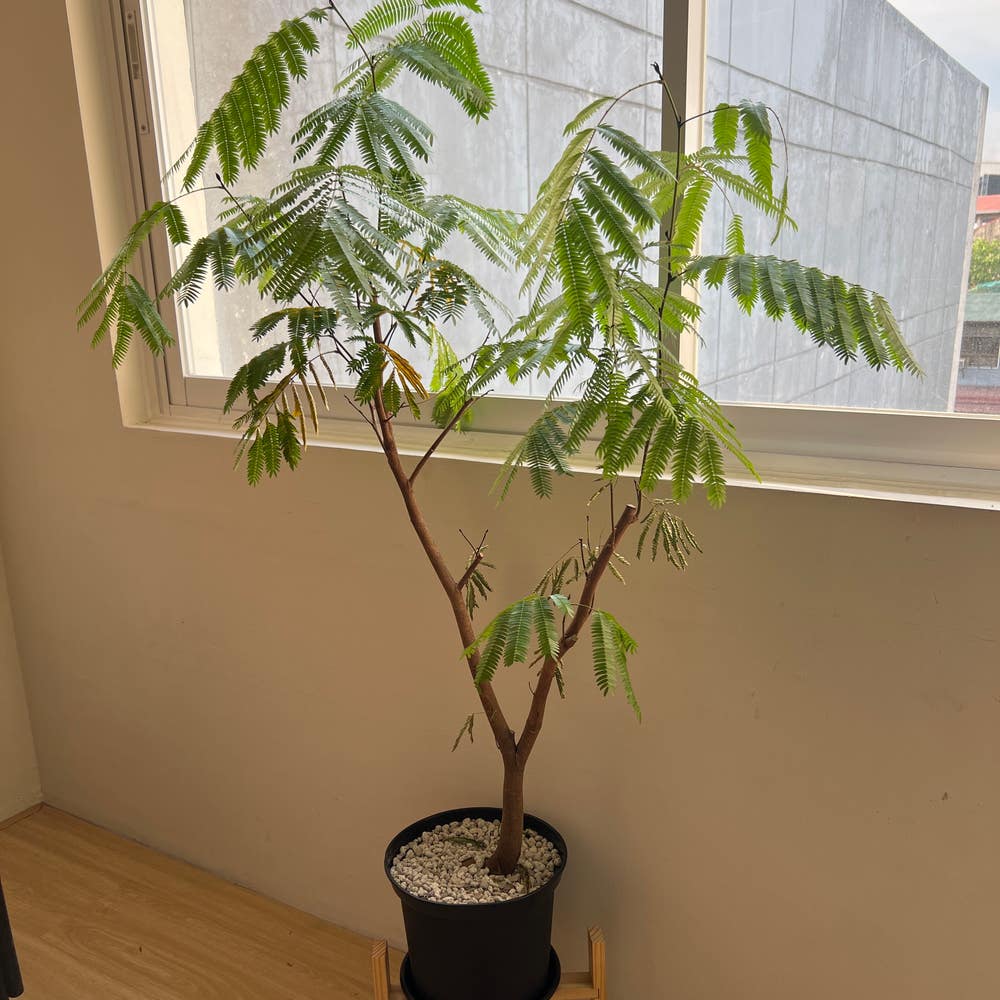
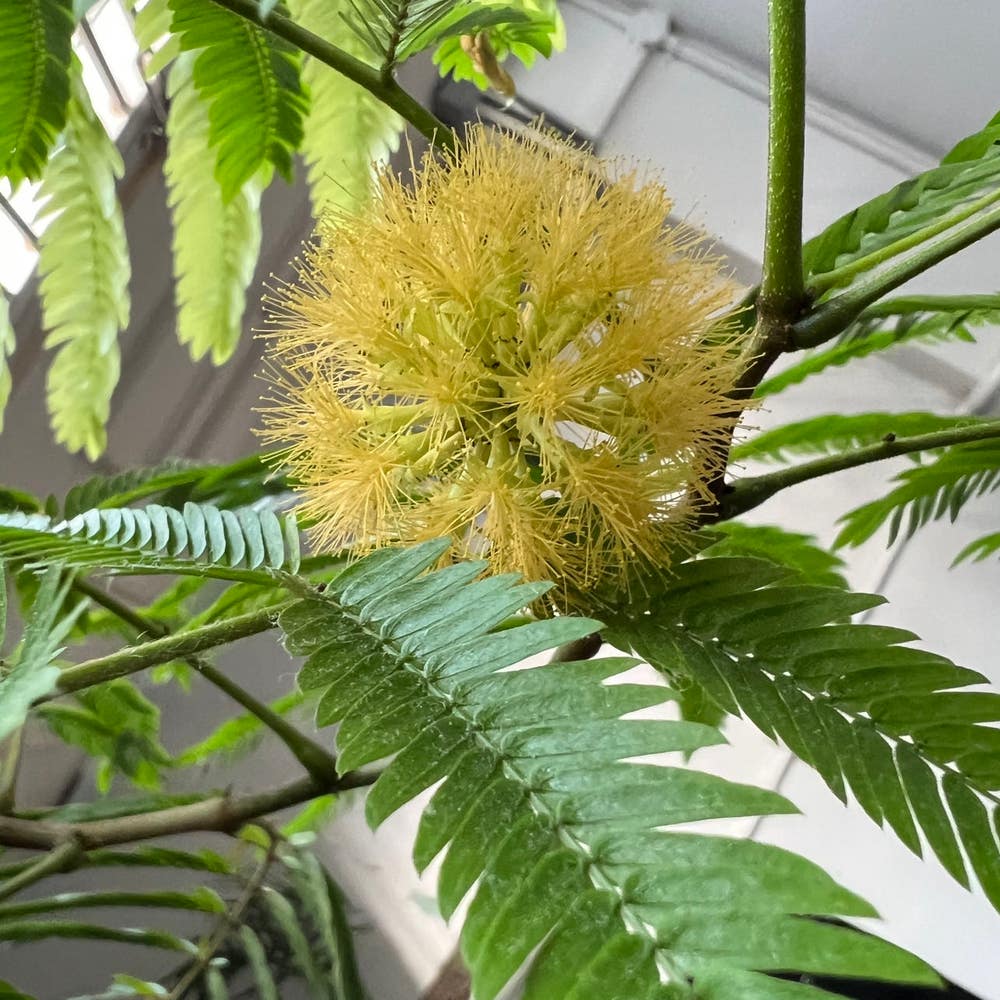
🧼 Step-by-Step Guide to Choosing Soil for Soap Tree
Albizia saponaria
By the Greg Editorial Team
Nov 08, 2024•6 min read
This article was created with the help of AI so we can cover more plants for you. May contain errors. See one? Report it here.
Revitalize your Soap Tree's growth with essential soil care tips and testing techniques! 🌱
- 🌱 Recognize unhealthy soil by checking for mold, compaction, and moisture levels.
- 🧪 Test soil pH regularly; ideal range is 6.0 to 7.0 for nutrient availability.
- 🌿 Create a homemade mix: 50% potting soil, 30% perlite, 20% organic matter.
Identifying Unhealthy Soil
🌱 Signs of Unhealthy Soil
Recognizing unhealthy soil is crucial for the health of your Soap Tree.
Moldy Soil
One of the first signs to look for is moldy soil, which appears as white or green fungal growth on the surface. This condition often arises from overwatering and poor air circulation, creating a damp environment where mold thrives.
Compaction
Another indicator is soil compaction. If the soil feels hard and dense, it restricts root growth and can stunt your plant's development. Compaction typically results from heavy foot traffic or a lack of organic matter, which can lead to a less hospitable environment for your Soap Tree.
🧪 How to Test Soil Health
Testing your soil health is straightforward and essential for maintaining optimal conditions.
pH Testing
Start with pH testing, which is easy to do with a pH meter or soil test kit. For Soap Trees, the ideal pH range is between 6.0 and 7.0, ensuring that nutrients are available for uptake.
Moisture Level Assessment
Next, assess the moisture level in your soil. You can use the finger test or a moisture meter to determine if the soil is too wet. If the soil remains wet for extended periods, it’s a clear sign of overwatering.
🛠️ Solutions for Unhealthy Soil
Once you've identified unhealthy soil, it’s time to take action.
Remediation Techniques for Moldy Soil
For moldy soil, start by allowing it to dry out. Reducing your watering frequency can help combat excess moisture. Additionally, improving air circulation around the plant—using fans or relocating it—can significantly reduce mold growth.
Techniques for Compacted Soil
If you’re dealing with compacted soil, aeration is key. Use a garden fork to loosen the soil, allowing roots to expand and breathe. Incorporating organic matter, such as compost or peat moss, can also improve soil structure and promote better drainage.
By recognizing the signs of unhealthy soil and implementing these testing and remediation techniques, you can create a thriving environment for your Soap Tree. Next, we’ll explore how to create a homemade soil mix tailored to your plant's needs.
Creating a Homemade Soil Mix
🌱 Components of an Ideal Homemade Soil Mix
Creating the perfect soil mix for your Soap Tree is essential for its health and growth. A well-balanced mix consists of:
- 50% well-draining potting soil: This serves as the foundation, providing essential nutrients.
- 30% perlite or coarse sand: These materials enhance aeration, ensuring roots can breathe.
- 20% organic matter: Compost or coconut coir enriches the soil, promoting microbial activity.
🛠️ Step-by-Step Guide to Mixing Soil
Mixing your soil is straightforward and rewarding. Follow these steps for a successful blend:
- Gather materials: Collect potting soil, perlite, compost, and lime if needed.
- Combine ingredients: In a large container, mix the base ingredients thoroughly for even distribution.
- Adjust pH: Use amendments to tweak the pH to the ideal range of 6.0 to 7.0.
- Test the mix: Check for proper drainage and moisture retention to ensure your Soap Tree thrives.
💧 Tips for Achieving Proper Drainage and Aeration
The texture of your soil mix plays a crucial role in plant health. Here are some tips to ensure optimal conditions:
- Focus on texture: Aim for a loose, crumbly consistency that allows for air circulation.
- Conduct a water test: Pour water into your mix to observe how quickly it drains. This will help you gauge its effectiveness.
By following these guidelines, you’ll create a homemade soil mix that supports your Soap Tree's growth and vitality. Next, let’s explore soil amendments and nutrients to further enhance your plant's health.
Soil Amendments and Nutrients
🌱 Common Soil Amendments
To create a thriving environment for your Soap Tree, consider incorporating various soil amendments. Organic matter, such as compost, well-rotted manure, or leaf mold, enriches the soil, providing essential nutrients and improving structure.
Minerals also play a crucial role. Perlite enhances drainage, while vermiculite helps retain moisture, ensuring your Soap Tree has the right balance of water and air in the soil.
🥦 Nutrient Requirements Specific to Soap Tree
Soap Trees thrive on a balanced diet of essential nutrients. Key players include nitrogen, phosphorus, potassium, and trace minerals, all vital for healthy growth.
Watch for signs of nutrient deficiency, such as yellowing leaves or stunted growth. These indicators signal that your Soap Tree may need a nutrient boost to flourish.
🛠️ How to Incorporate Amendments into Soil Mix
Incorporating amendments into your soil mix can be done effectively using two main techniques: layering and blending. Layering involves adding amendments in distinct layers, while blending mixes them thoroughly throughout the soil.
When it comes to ratios, tailor your amendments based on soil condition. A general guideline is to mix in about 20-30% organic matter and adjust mineral content according to your specific soil needs. This approach ensures your Soap Tree receives the nutrients it craves for optimal growth.
As you refine your soil mix, remember that regular testing and observation are key. This will help you maintain a healthy balance and support your Soap Tree's journey through the seasons.
Seasonal Considerations for Soil Care
🌱 Seasonal Adjustments for Soil Care
Spring is the perfect time to prepare your soil for active growth. Start by adding fresh compost to enrich the soil and check drainage to ensure it can support healthy root development.
As summer rolls in, it's crucial to monitor moisture levels closely. Adjust your watering routine based on the weather and the specific needs of your Soap Tree to prevent over or under-watering.
🌼 How to Prepare Soil for Different Growth Phases
Transitioning from the vegetative to flowering stages requires careful attention to nutrient levels. Adjusting the nutrient balance and pH is essential to support the plant's changing needs during this critical phase.
🔍 Monitoring Soil Health Throughout the Year
Regular soil testing is key to maintaining optimal soil health. Aim to test your soil at least twice a year, using simple methods to gauge its condition.
Keep an eye on your plant's health as a natural indicator of soil quality. Yellowing leaves or stunted growth can signal that it's time to reassess your soil care strategies.
By staying proactive with these seasonal considerations, you can ensure your Soap Tree thrives throughout the year. Next, let’s explore how to incorporate soil amendments and nutrients for even better growth.
⚠️ Safety First
This content is for general information and may contain errors, omissions, or outdated details. It is not medical, veterinary advice, or an endorsement of therapeutic claims.
Always consult a qualified healthcare professional before using any plant as food, medicine, or supplement.
Never eat any plant (or feed one to pets) without confirming its identity with at least two trusted sources.
If you suspect poisoning, call Poison Control (800) 222-1222, the Pet Poison Helpline (800) 213-6680, or your local emergency service immediately.
Spotted an error? Please report it here.
Ensure your Soap Tree flourishes with optimal soil care 🌿 by using Greg's tailored reminders and expert tips to keep your plant healthy and thriving all year round!