🧼 7 Advantages of Having a Soap Tree
Albizia saponaria
By the Greg Editorial Team
Nov 08, 2024•3 min read
This article was created with the help of AI so we can cover more plants for you. May contain errors. See one? Report it here.
Unlock the Soap Tree's secrets 🌳 for natural soap, eco-friendly cleaning, and pest control in your garden!
- 🌱 Soap Tree fruit provides a natural, biodegradable soap alternative with saponins.
- 🧼 Eco-friendly cleaning: Use Soap Tree for laundry and surfaces without harmful chemicals.
- 🌼 Supports biodiversity while enhancing landscapes and repelling garden pests naturally.
Benefits of Soap Tree
🌿 Natural Soap Production
Soap Tree fruit is rich in saponins, natural compounds that create lather when mixed with water. These saponins not only cleanse but also serve as a biodegradable alternative to synthetic detergents.
Step-by-Step Soap Making Process
Making soap from Soap Tree fruit is a rewarding process. Here’s how to do it:
- Harvesting ripe fruit: Pick the fruit when it’s fully ripe for maximum saponin content.
- Removing the outer shell: Carefully peel away the outer layer to access the seeds.
- Crushing the seeds: Use a mortar and pestle to crush the seeds, releasing the saponins.
- Mixing with water: Combine the crushed seeds with water to create a rich lather.
This natural soap is eco-friendly and chemical-free, making it a healthier choice compared to commercial soaps.
🌍 Eco-Friendly Cleaning Agent
Soap Tree serves as an excellent biodegradable cleaning alternative. Its natural properties make it a safe choice for both your home and the environment.
Advantages Over Synthetic Cleaners
Unlike synthetic cleaners, Soap Tree is non-toxic and safe for the environment. It can be used effectively in various household cleaning tasks, including:
- Laundry: A gentle yet effective detergent.
- Dishes: Cuts through grease without harmful residues.
- Surfaces: Cleans countertops and other surfaces safely.
🧴 Skin Care Benefits
The saponins in Soap Tree offer numerous benefits for skin health. They act as gentle cleansers and moisturizers, making them ideal for various skin types.
Traditional Uses in Skin Care
In traditional practices, Soap Tree extracts are used for their soothing properties. They can help treat skin conditions such as:
- Acne: Reduces inflammation and cleans pores.
- Eczema: Provides relief from dryness and irritation.
- General irritation: Soothes sensitive skin.
🐞 Pest Repellent Properties
Soap Tree is not just beneficial for humans; it also acts as a natural insecticide. Its extracts can effectively repel common garden pests.
Effectiveness Against Garden Pests
Soap Tree is particularly effective against:
- Aphids
- Mites
- Beetles
Creating a Pest-Repellent Spray
To make a pest-repellent spray, simply dilute Soap Tree extracts in water and spray it on affected plants. This method is straightforward and environmentally friendly.
🌳 Aesthetic Appeal and Biodiversity
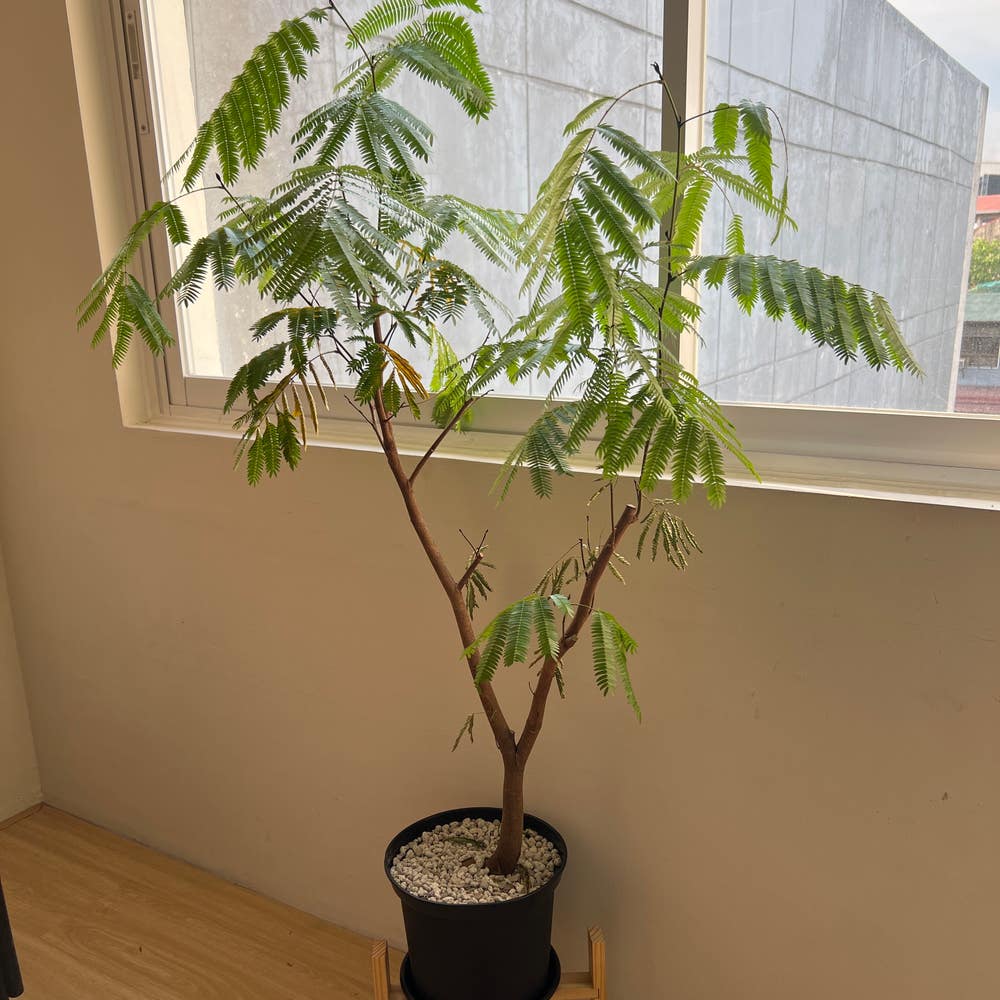
Beyond its practical uses, the Soap Tree boasts large, attractive leaves and can grow to a significant size. It serves as a stunning shade tree and adds ornamental value to any landscape.
Importance in Landscape Design
Incorporating Soap Trees into your garden design not only enhances beauty but also supports local wildlife. They contribute to biodiversity, creating a thriving ecosystem for various species.
In summary, the Soap Tree is a remarkable plant that offers a multitude of benefits, from natural soap production to enhancing biodiversity. Its versatility makes it a valuable addition to any home or garden, paving the way for a more sustainable lifestyle.
⚠️ Safety First
This content is for general information and may contain errors, omissions, or outdated details. It is not medical, veterinary advice, or an endorsement of therapeutic claims.
Always consult a qualified healthcare professional before using any plant as food, medicine, or supplement.
Never eat any plant (or feed one to pets) without confirming its identity with at least two trusted sources.
If you suspect poisoning, call Poison Control (800) 222-1222, the Pet Poison Helpline (800) 213-6680, or your local emergency service immediately.
Spotted an error? Please report it here.
Transform your home and garden with the eco-friendly power of the Soap Tree 🌱, and let Greg guide you with tailored care tips to help your plant thrive sustainably!