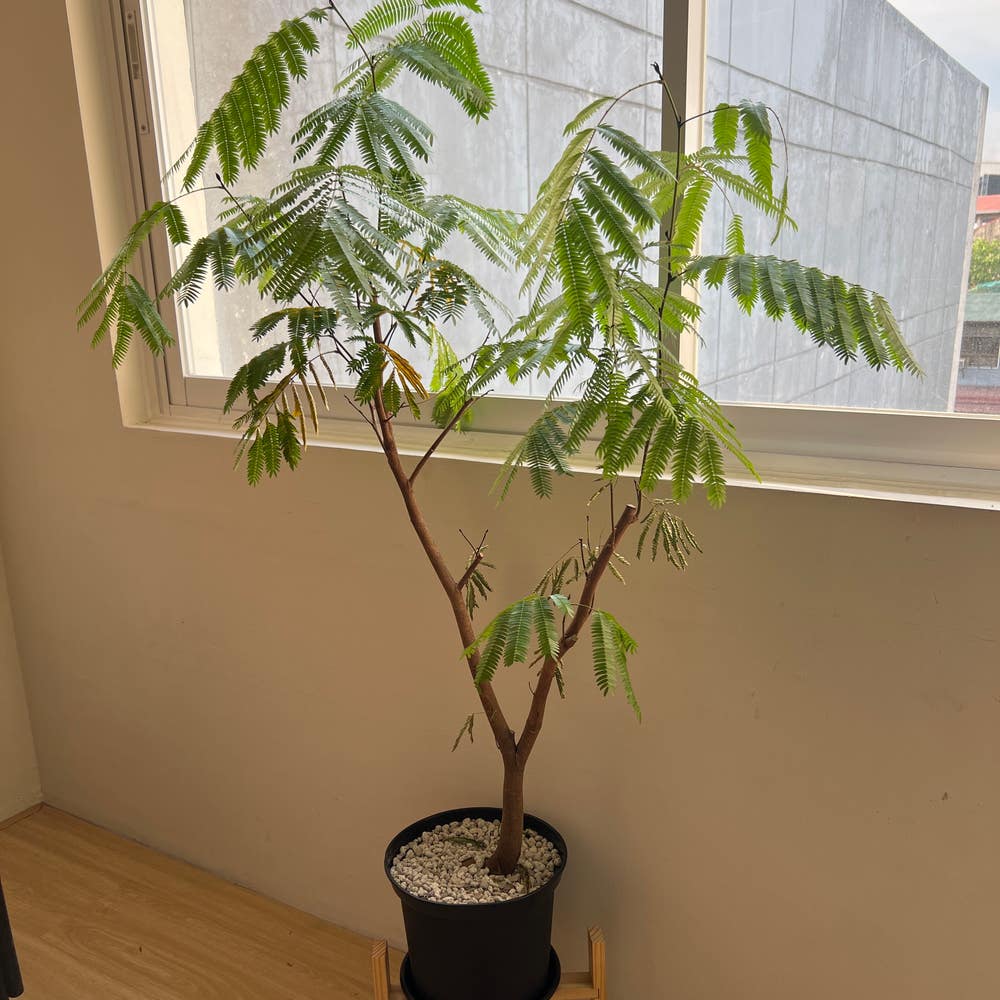
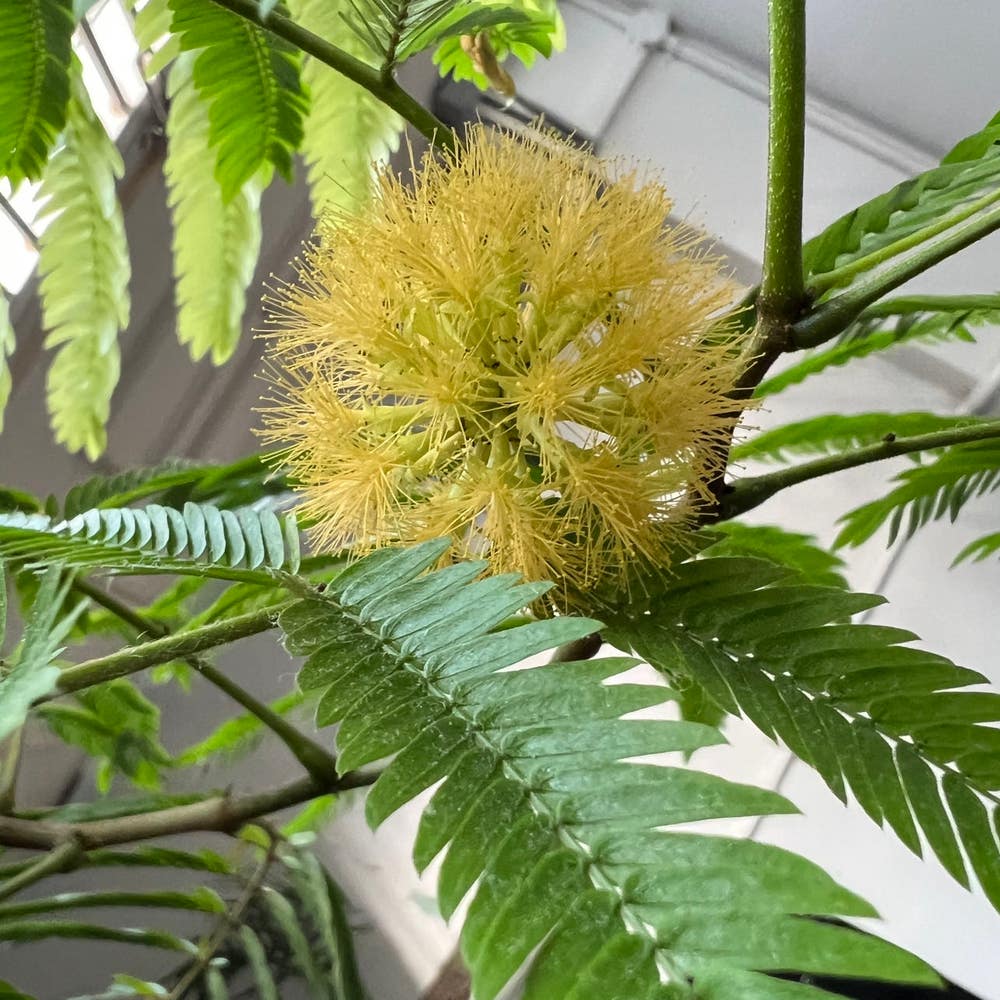
🐞 Ultimate Guide to Bugs Eating Soap Tree
Albizia saponaria
By the Greg Editorial Team
Nov 08, 2024•7 min read
This article was created with the help of AI so we can cover more plants for you. May contain errors. See one? Report it here.
Safeguard your soap tree from pesky invaders 🐛 with essential tips for identification and effective treatment! 🌿
- 🕷️ Spider mites and mealybugs cause significant stress and damage to soap trees.
- 🌱 Regular inspections and hygiene are key to preventing pest infestations on soap trees.
- 🌿 Natural resistance traits of soap trees help reduce common pest attraction.
Common Pests Affecting Soap Tree
🕷️ Spider Mites
Identification and Signs of Infestation
Spider mites are tiny, spider-like creatures that can be red or green. Look for fine webbing on leaves and stippled or yellowing foliage as signs of their presence.
Damage Caused by Spider Mites
These pests can cause significant leaf discoloration and even leaf drop. As they sap the plant's vitality, overall stress and reduced growth become evident.
Treatment Options
For chemical control, miticides specifically targeting spider mites are effective. Alternatively, organic options like neem oil, insecticidal soap, and increasing humidity can help manage their populations.
🐢 Scale Insects
Identification and Signs of Infestation
Scale insects appear as small, waxy bumps on stems and leaves. You may notice sticky leaves due to honeydew and the growth of sooty mold.
Damage Caused by Scale Insects
These pests weaken the plant by extracting sap, which can lead to secondary infections from mold. The overall health of the soap tree can decline significantly.
Treatment Options
For severe infestations, systemic insecticides are recommended. Organic methods include manual removal, using horticultural oils, and insecticidal soap to combat scale insects.
🐛 Mealybugs
Identification and Signs of Infestation
Mealybugs are identifiable by their white, cottony masses on leaves and stems. Sticky leaves and potential leaf drop are common signs of their infestation.
Damage Caused by Mealybugs
These pests cause sap loss, leading to stunted growth and increased vulnerability to diseases. Your soap tree may struggle to thrive under their attack.
Treatment Options
Chemical insecticides specifically targeting mealybugs can be effective. For organic solutions, consider applying rubbing alcohol, neem oil, or introducing natural predators to keep their numbers in check.
🐜 Aphids
Identification and Signs of Infestation
Aphids are small, soft-bodied insects that come in various colors, including green, black, and yellow. Signs of their presence include curling leaves, sticky foliage, and the presence of ants.
Damage Caused by Aphids
These pests extract sap, weakening the plant and making it susceptible to plant viruses. The overall health of your soap tree can be compromised.
Treatment Options
Broad-spectrum insecticides can effectively manage aphid populations. Alternatively, organic methods include water sprays, insecticidal soap, and introducing ladybugs to the garden.
🦋 Whiteflies
Identification and Signs of Infestation
Whiteflies are tiny, white, moth-like insects found on the undersides of leaves. Look for yellowing leaves and sticky residue as indicators of their presence.
Damage Caused by Whiteflies
Like other sap-sucking pests, whiteflies cause sap loss, which can lead to sooty mold. This weakens the plant and stunts its growth.
Treatment Options
Insecticides specifically designed for whiteflies can help control their populations. Organic options include yellow sticky traps, insecticidal soap, and introducing parasitic wasps to your garden.
Understanding these common pests and their effects on soap trees is crucial for maintaining plant health. With the right identification and treatment strategies, you can keep your soap tree thriving and beautiful. Next, we will explore the natural pest resistance characteristics of the soap tree and how they can benefit your gardening efforts.
Pest Resistance
🌿 Natural Pest Resistance Characteristics
Soap trees possess remarkable natural resistance traits that help them fend off various pests. Their robust structure and chemical defenses make them less appealing to many common insects.
These trees often thrive in environments where pests might struggle to establish themselves. For instance, their thick leaves and tough bark deter many sap-sucking insects, allowing the soap tree to flourish with minimal intervention.
🐞 Pests Typically Not Problematic for Soap Tree
While no plant is entirely pest-proof, soap trees are generally resilient against certain pests. Aphids and whiteflies, for example, may occasionally appear but rarely cause significant damage.
Additionally, many fungal infections that plague other plants tend to bypass the soap tree. This resilience not only contributes to the tree's longevity but also reduces the need for chemical treatments, making it a more sustainable choice for gardeners.
Understanding these natural defenses can empower you to cultivate healthier soap trees while minimizing pest-related concerns. With this knowledge, you can appreciate the soap tree's unique qualities and focus on nurturing its growth.
Next, we will explore effective prevention strategies to keep your soap tree thriving and pest-free.
Prevention Strategies
🛡️ Preventative Measures to Avoid Pest Infestations
Maintaining the health of your Soap Tree is crucial in preventing pest infestations. Start by selecting healthy plants from reputable sources and ensure proper planting techniques to give your tree the best chance to thrive.
Healthy soil, adequate watering, and appropriate sunlight are foundational to plant health. A well-cared-for Soap Tree is less likely to attract pests.
🧼 Plant Hygiene Tips
Regular cleaning is essential for keeping your Soap Tree free from pests. Wipe down leaves with a damp cloth to remove dust and potential pests.
Additionally, remove any debris or dead plant material from the surrounding area. This not only improves aesthetics but also reduces hiding spots for pests.
🔍 Regular Inspection Routines
Establish a routine for inspecting your Soap Tree for pests. Aim to check your plant weekly, especially during peak growing seasons.
Look for signs such as discoloration, sticky residue, or webbing. Early detection is key to managing any potential infestations before they escalate.
By implementing these prevention strategies, you can help ensure your Soap Tree remains healthy and vibrant, setting the stage for effective pest management. Next, we’ll explore the principles of integrated pest management (IPM) to further safeguard your plant.
General Pest Management for Soap Tree
🌱 Integrated Pest Management (IPM) Principles
Integrated Pest Management (IPM) is a holistic approach to pest control that emphasizes prevention and minimal intervention. For Soap Trees, IPM combines cultural, mechanical, and biological methods to keep pests at bay while promoting plant health.
Cultural practices include selecting resistant plant varieties and maintaining optimal growing conditions. Mechanical methods might involve physical barriers or traps to reduce pest populations. Biological control often means introducing natural predators that can help manage pest numbers effectively.
🚨 Importance of Early Detection and Intervention
Timely action is crucial in managing pest populations on your Soap Tree. Early detection can prevent minor infestations from escalating into major problems, saving you time and effort in the long run.
Regular monitoring is key. Inspect your plants frequently for any signs of pests, such as unusual leaf discoloration or sticky residues. If you notice any issues, respond promptly with appropriate treatments to keep your Soap Tree thriving.
By staying vigilant and proactive, you can ensure your Soap Tree remains healthy and resilient against pests.
Distinguishing Between Similar Pests
Tips for Identifying Different Types of Pests 🕵️♀️
Identifying pests can feel overwhelming, especially when they look similar. However, knowing key characteristics can simplify the process.
Spider Mites vs. Aphids: Spider mites are tiny and often red or green, while aphids are soft-bodied and can be green, black, or yellow. Look for fine webbing with spider mites and curling leaves with aphids.
Scale Insects vs. Mealybugs: Scale insects appear as small, waxy bumps on stems, whereas mealybugs present as white, cottony masses. Check for sticky leaves with scale insects and the potential for leaf drop with mealybugs.
Whiteflies vs. Aphids: Whiteflies are tiny, moth-like insects found on the undersides of leaves, while aphids are more visible and often cluster on new growth. Yellowing leaves indicate whiteflies, while curling leaves suggest aphid activity.
Visual Cues and Behavioral Traits 👀
Observing behavior can also aid in identification. For instance, aphids often attract ants due to their honeydew secretion, while spider mites thrive in dry conditions, leading to webbing.
Movement Patterns: Mealybugs tend to stay in one spot, while whiteflies will flutter away when disturbed. This can help you narrow down your pest problem quickly.
Damage Patterns: Different pests cause distinct types of damage. Scale insects weaken plants through sap extraction, while aphids can transmit viruses. Understanding these patterns can guide your treatment approach.
By honing your observation skills and knowing what to look for, you can effectively distinguish between similar pests. This knowledge empowers you to take timely action, ensuring your Soap Tree remains healthy and thriving.
Next, let’s explore effective prevention strategies to keep these pests at bay.
⚠️ Safety First
This content is for general information and may contain errors, omissions, or outdated details. It is not medical, veterinary advice, or an endorsement of therapeutic claims.
Always consult a qualified healthcare professional before using any plant as food, medicine, or supplement.
Never eat any plant (or feed one to pets) without confirming its identity with at least two trusted sources.
If you suspect poisoning, call Poison Control (800) 222-1222, the Pet Poison Helpline (800) 213-6680, or your local emergency service immediately.
Spotted an error? Please report it here.
Keep your soap tree thriving 🌿 by using Greg's pest identification and care reminders to tackle any bug challenges head-on!