🧼 Top 9 Companions for a Healthy Soap Tree Garden
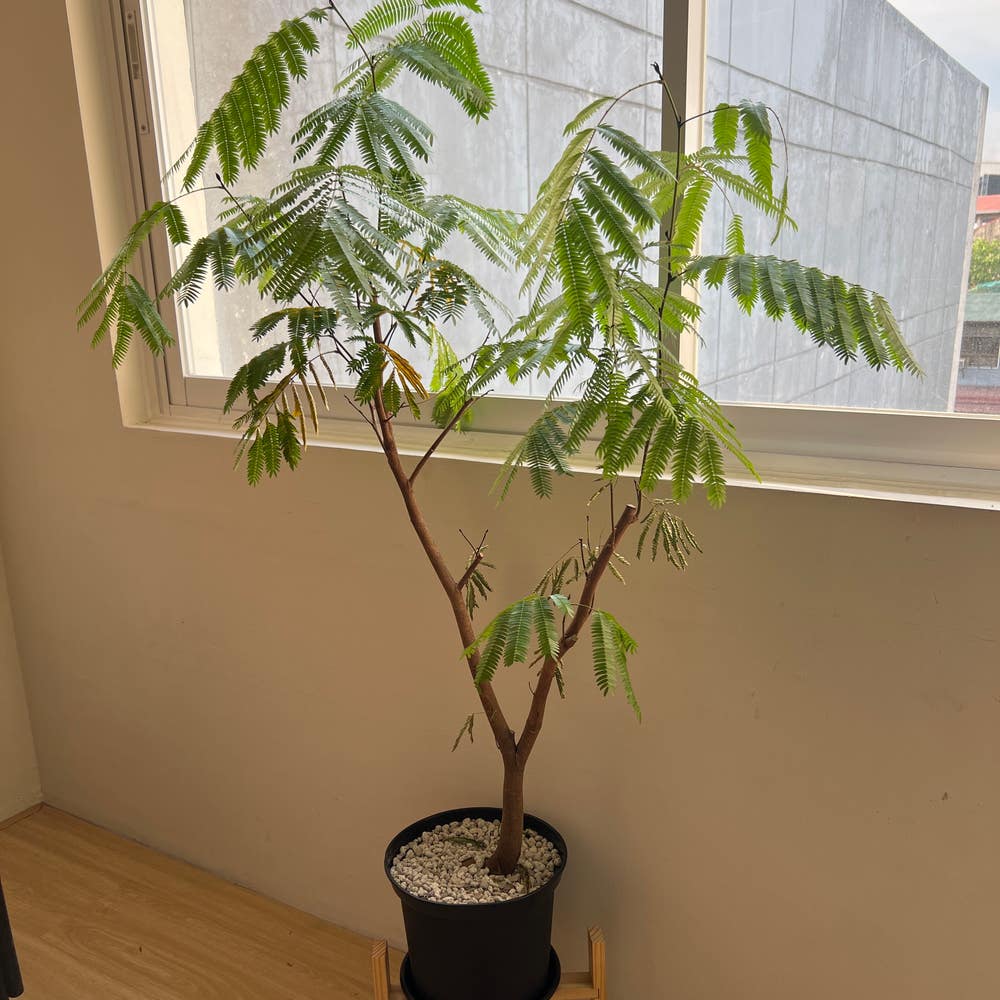
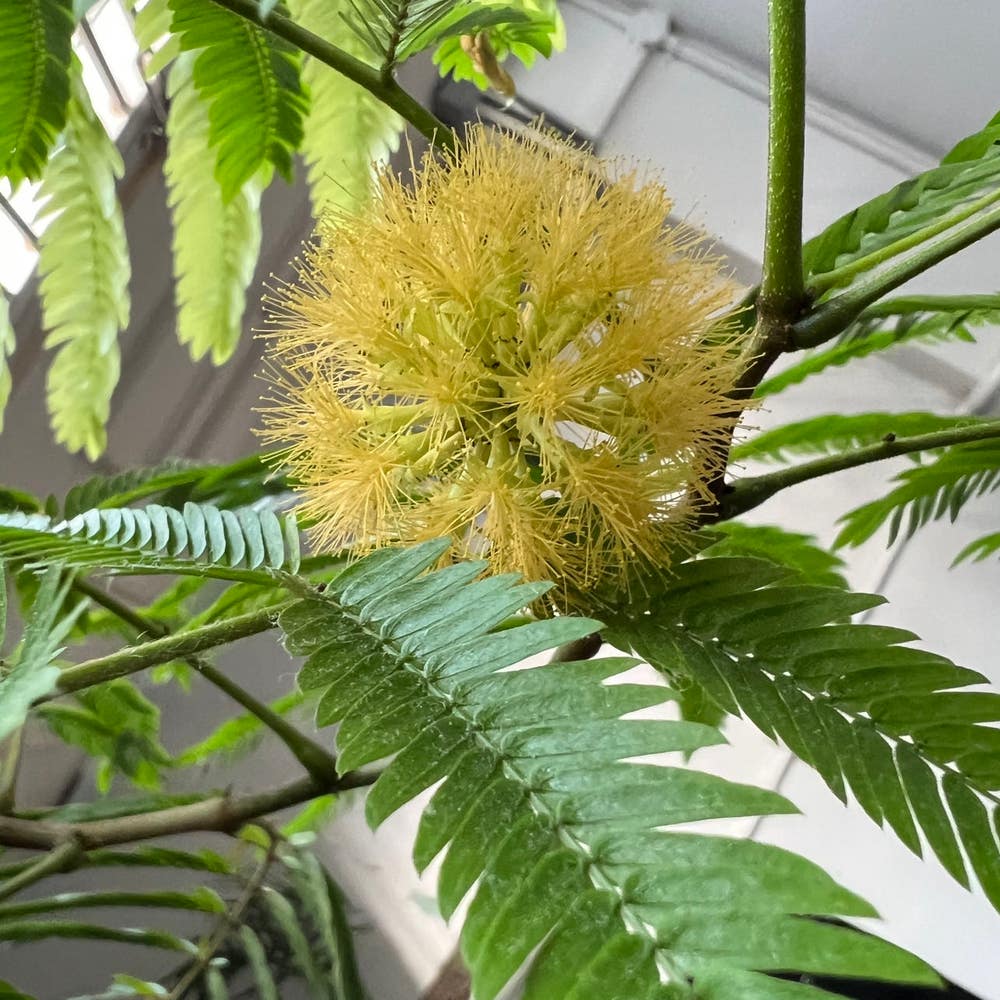
Albizia saponaria
By the Greg Editorial Team
Nov 08, 2024•6 min read
This article was created with the help of AI so we can cover more plants for you. May contain errors. See one? Report it here.
Elevate your Soap Tree garden's health and beauty with these essential companion plants! 🌼
- 🌱 Companion planting boosts Soap Tree health by selecting supportive plant pairings.
- 🐞 Marigolds and lavender repel pests while attracting beneficial insects and pollinators.
- 🌼 Diverse companions enhance beauty and create a thriving, balanced garden ecosystem.
Best Companion Plants for Soap Tree
🌼 Plant 1: Marigold
Marigolds are a gardener's best friend, known for their vibrant yellow and orange flowers that brighten any garden. These beauties not only enhance visual appeal but also boast impressive pest-repelling properties, deterring nematodes and aphids while attracting beneficial insects like ladybugs.
💜 Plant 2: Lavender
Lavender adds a touch of elegance with its aromatic foliage and stunning purple flowers. This fragrant plant not only repels pests such as moths and fleas but also attracts pollinators, enriching the biodiversity of your Soap Tree garden.
🌸 Plant 3: Echinacea
Echinacea, or coneflower, is a magnet for butterflies and other pollinators, making it a delightful addition. Its deep taproot not only improves soil structure but also provides vibrant blooms that catch the eye and add visual interest.
🌿 Plant 4: Basil
Basil is more than just a culinary favorite; it serves as a natural pest deterrent for aphids and spider mites. Its lush green foliage beautifully complements the Soap Tree's structure while enhancing the flavor and health of nearby plants.
🌼 Plant 5: Yarrow
Yarrow is a powerhouse in the garden, attracting beneficial insects like predatory wasps. Its deep roots improve soil aeration and nutrient availability, while delicate flowers add texture and color to your garden landscape.
🌺 Plant 6: Nasturtium
Nasturtiums are not only visually appealing with their vibrant flowers but also serve as a trap crop for aphids, diverting them from your Soap Tree. Plus, their edible flowers and leaves bring culinary flair, thriving in similar soil conditions.
🐝 Plant 7: Bee Balm
Bee Balm is a vibrant addition that attracts bees and butterflies, promoting essential pollination. With natural pest-repellent properties against certain beetles, its bright red and pink flowers create a stunning display in your garden.
🌱 Plant 8: Borage
Borage is a fantastic choice for attracting pollinators and beneficial insects. Its deep roots improve soil health, and the edible flowers add both beauty and a unique touch to your culinary creations.
🌿 Plant 9: Thyme
Thyme is a low-growing herb that provides excellent ground cover, helping to reduce weeds. Its aromatic foliage not only enhances the sensory experience of the garden but also deters pests like cabbage worms and whiteflies.
These companion plants not only support the health of your Soap Tree but also create a vibrant, thriving garden ecosystem. By carefully selecting these plants, you can enhance both the beauty and functionality of your garden, setting the stage for a flourishing outdoor space. Next, let’s explore how these companions can aid in effective pest management.
Pest Management with Companion Plants
Companion plants are a gardener's secret weapon for effective pest management. By incorporating these plants into your Soap Tree garden, you can naturally deter pests and reduce your reliance on chemical pesticides.
🌿 Natural Deterrents
Many companion plants possess natural deterrent properties. For instance, certain herbs and flowers can repel unwanted insects, creating a healthier environment for your Soap Tree.
- Aphids: These tiny pests can wreak havoc on your plants. Companion plants like marigolds and basil are known to keep them at bay.
- Spider Mites: Lavender and thyme are effective in repelling these pesky mites, ensuring your garden remains vibrant and healthy.
- Whiteflies: Nasturtiums are particularly good at diverting whiteflies away from your Soap Tree.
🦋 Attracting Beneficial Insects
In addition to repelling harmful pests, companion plants attract beneficial insects that prey on these nuisances. Ladybugs, lacewings, and predatory wasps are just a few examples of helpful allies in your garden.
- Nematodes: Certain companion plants can deter nematodes, which are microscopic pests that can damage roots.
- Beetles: Plants like yarrow can attract predatory beetles that help control pest populations.
By strategically selecting companion plants, you create a balanced ecosystem that supports your Soap Tree's health. This approach not only enhances your garden's resilience but also fosters biodiversity.
As you explore the benefits of companion planting, consider how these plants can enhance the visual appeal of your garden as well. Let's dive into the aesthetic advantages of pairing companion plants with your Soap Tree.
Visual Appeal and Aesthetic Benefits
Companion plants can significantly enhance the visual appeal of a Soap Tree garden. By incorporating a variety of plant heights, you create layers and textures that add depth to your landscape.
🌿 Creating Layers and Textures
Varying plant heights not only makes the garden more interesting but also provides a natural habitat for wildlife. Taller plants can serve as a backdrop, while shorter ones fill in the foreground, creating a harmonious balance.
🎨 Complementary Color Combinations
The right color combinations can beautifully complement the Soap Tree's foliage and flowers. For instance, pairing the vibrant yellow of marigolds with the deep green of the Soap Tree creates a striking visual contrast.
🌈 Suggestions for Contrasting Colors
- Purple Lavender: Offers a stunning contrast against the Soap Tree's green leaves.
- Bright Red Bee Balm: Adds a pop of color that attracts pollinators.
- Soft Blue Borage: Provides a gentle hue that harmonizes with the Soap Tree's natural tones.
📅 Importance of Seasonal Interest
Diverse plantings ensure seasonal interest throughout the year. By selecting companion plants that bloom at different times, you can maintain a vibrant garden that changes with the seasons.
🌼 Harmonious Blends
Consider blending plants with similar growth habits and colors for a cohesive look. For example, mixing low-growing thyme with taller echinacea can create a visually appealing arrangement that draws the eye.
Incorporating these aesthetic elements not only beautifies your garden but also fosters a thriving ecosystem. As we explore the next section, we'll delve into how these companion plants can aid in pest management, ensuring your Soap Tree garden remains healthy and vibrant.
Plants to Avoid Near Soap Tree
When planning your Soap Tree garden, it's crucial to know which plants to steer clear of. Certain species can hinder the growth and health of your Soap Tree, leading to a less vibrant garden.
🚫 Plants to Avoid
- Fennel: This herb can be particularly problematic as it competes for nutrients and space.
- Certain Grasses: Some grasses can outcompete your Soap Tree for water and nutrients.
- Invasive Species: These plants can quickly take over, choking out your Soap Tree and other beneficial plants.
❌ Reasons for Avoidance
Avoiding these plants is essential for several reasons. First, competition for nutrients and water can stunt the growth of your Soap Tree, leading to a lackluster appearance.
Additionally, some of these plants may attract pests that can harm your Soap Tree. For instance, invasive species can bring in unwanted insects that threaten your garden's health.
Lastly, certain plants exhibit allelopathic effects, releasing chemicals that inhibit the growth of nearby plants. This can severely impact the vitality of your Soap Tree, making it essential to choose companion plants wisely.
By being mindful of what you plant near your Soap Tree, you can create a thriving garden that flourishes with beauty and health. Next, let’s explore how companion plants can enhance pest management in your garden.
⚠️ Safety First
This content is for general information and may contain errors, omissions, or outdated details. It is not medical, veterinary advice, or an endorsement of therapeutic claims.
Always consult a qualified healthcare professional before using any plant as food, medicine, or supplement.
Never eat any plant (or feed one to pets) without confirming its identity with at least two trusted sources.
If you suspect poisoning, call Poison Control (800) 222-1222, the Pet Poison Helpline (800) 213-6680, or your local emergency service immediately.
Spotted an error? Please report it here.
Transform your Soap Tree garden into a blooming paradise 🌼 with Greg's tailored care tips that ensure your companion plants thrive together for a healthier, more vibrant ecosystem!