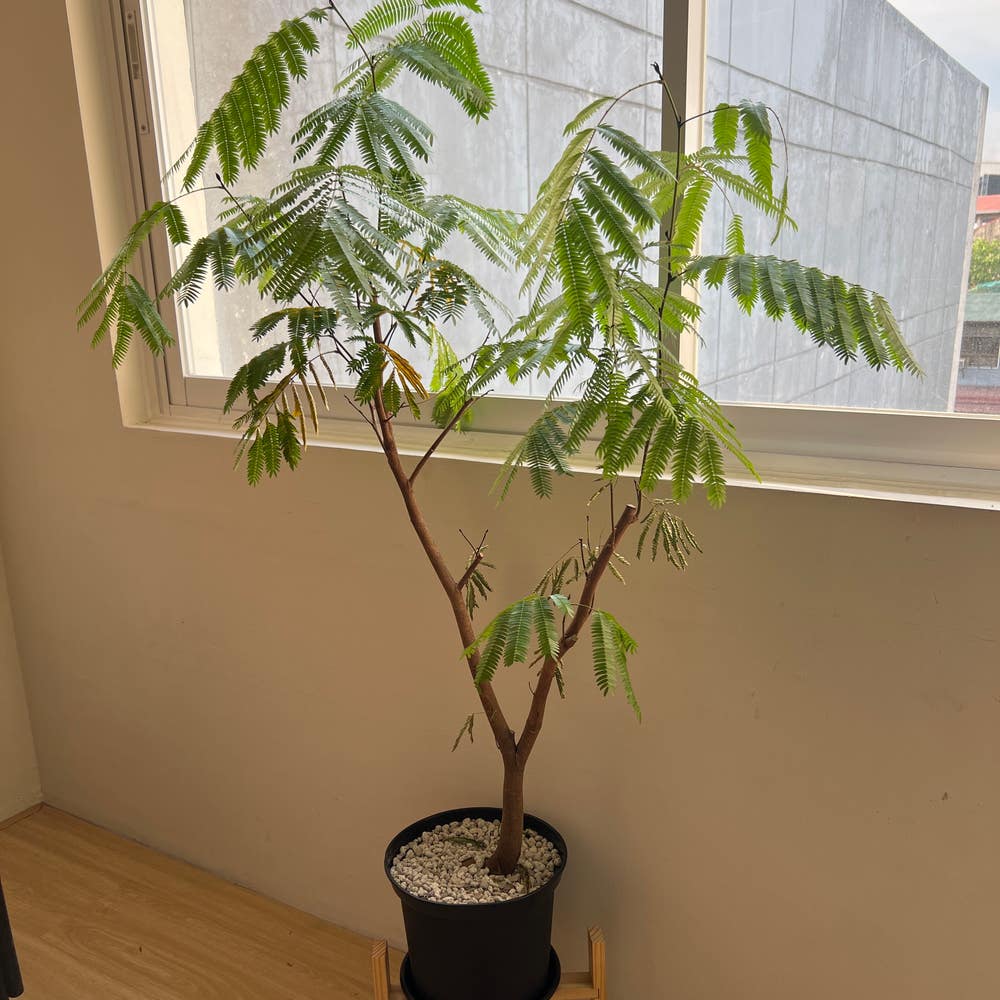
🧼 Ultimate Guide to Fixing Black Spots on Soap Tree
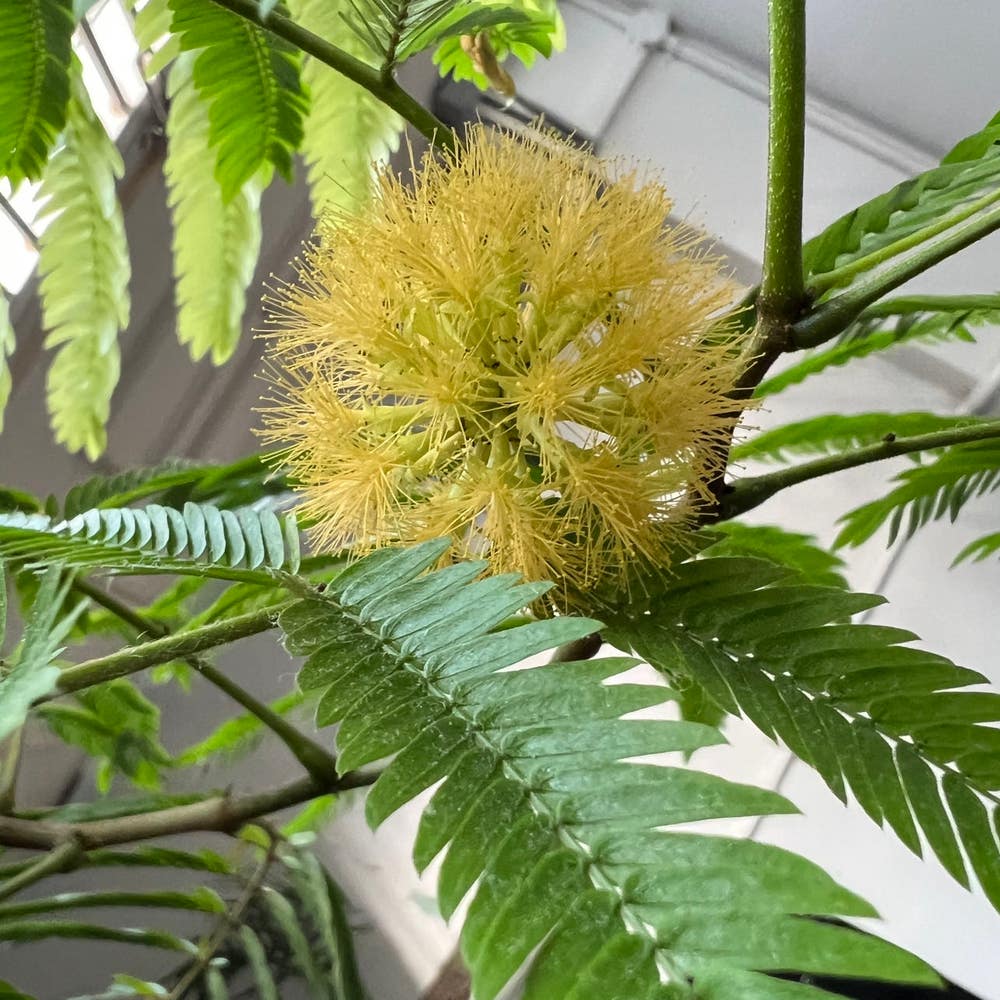
Albizia saponaria
By the Greg Editorial Team
Nov 08, 2024•3 min read
This article was created with the help of AI so we can cover more plants for you. May contain errors. See one? Report it here.
Revive your Soap Tree 🌳 by tackling black spots with essential diagnosis and treatment tips for lush, healthy growth!
- 🌱 Black spots on Soap Trees stem from fungal infections, pests, and environmental stress.
- 🐜 Inspect regularly for pests like aphids and spider mites to prevent black spots.
- 💧 Maintain proper watering and humidity to keep Soap Trees healthy and vibrant.
Identifying Black Spots
🌑 Common Causes of Black Spots
Black spots on Soap Trees can stem from several issues, primarily fungal infections, pest-related problems, and environmental stress factors. Understanding these causes is crucial for effective treatment.
Fungal Infections
Fungal infections are a leading cause of black spots. Symptoms include distinct black spots on leaves and wilting foliage, often exacerbated by high humidity and poor air circulation.
Pest-Related Issues
Pests can also lead to black spots. Infestations may cause yellowing leaves and sticky residue, with common culprits being aphids and spider mites that damage leaves, resulting in discoloration.
Environmental Stress Factors
Environmental conditions play a significant role in the health of Soap Trees. Overwatering can lead to root rot and leaf discoloration, while underwatering manifests as dehydration and curling leaves.
🕵️♂️ Diagnosing the Problem
Identifying the root cause of black spots involves assessing environmental factors, checking for pests and diseases, and evaluating soil and watering conditions.
Assessing Environmental Factors
Soap Trees thrive in specific conditions. The ideal temperature range is between 20°C to 30°C (68°F to 86°F), with moderate humidity being essential for their health.
Identifying Stressors
Sudden temperature changes and extreme weather can stress your Soap Tree. Keeping an eye on these factors helps maintain a stable environment for your plant.
Checking for Pests and Diseases
Regular inspections are vital for early detection of pests. Use a magnifying glass to examine leaves closely for signs such as webbing, droppings, or visible insects.
Soil and Watering Conditions
Well-drained soil is crucial for preventing black spots. A recommended soil mix promotes optimal drainage, while proper watering practices ensure the plant receives adequate moisture.
💊 Treatment Options
Once you've identified the cause of the black spots, it's time to explore treatment options, which can be organic or chemical.
Organic Treatments for Black Spots
Natural fungicides like neem oil and baking soda solutions can effectively combat fungal infections. Mixing and applying these treatments is straightforward and safe for your plant.
Chemical Treatments and Fungicides
For more severe cases, chemical fungicides may be necessary. Familiarize yourself with the types and active ingredients, and follow application guidelines carefully to ensure safety.
Step-by-Step Guide to Applying Treatments
- Identify the issue: Confirm the presence of black spots and associated symptoms.
- Choose the appropriate treatment: Decide between organic or chemical based on severity.
- Prepare the treatment: Mix solutions according to instructions.
- Apply treatment: Use techniques for even coverage on affected leaves.
- Monitor results: Assess effectiveness after 1-2 weeks.
By understanding the causes and implementing appropriate treatments, you can effectively manage black spots on your Soap Tree. This proactive approach sets the stage for healthier growth and vibrant foliage.
⚠️ Safety First
This content is for general information and may contain errors, omissions, or outdated details. It is not medical, veterinary advice, or an endorsement of therapeutic claims.
Always consult a qualified healthcare professional before using any plant as food, medicine, or supplement.
Never eat any plant (or feed one to pets) without confirming its identity with at least two trusted sources.
If you suspect poisoning, call Poison Control (800) 222-1222, the Pet Poison Helpline (800) 213-6680, or your local emergency service immediately.
Spotted an error? Please report it here.
Transform your Soap Tree into a vibrant beauty 🌿 by using Greg's tailored care tips and pest alerts to tackle those pesky black spots effectively!