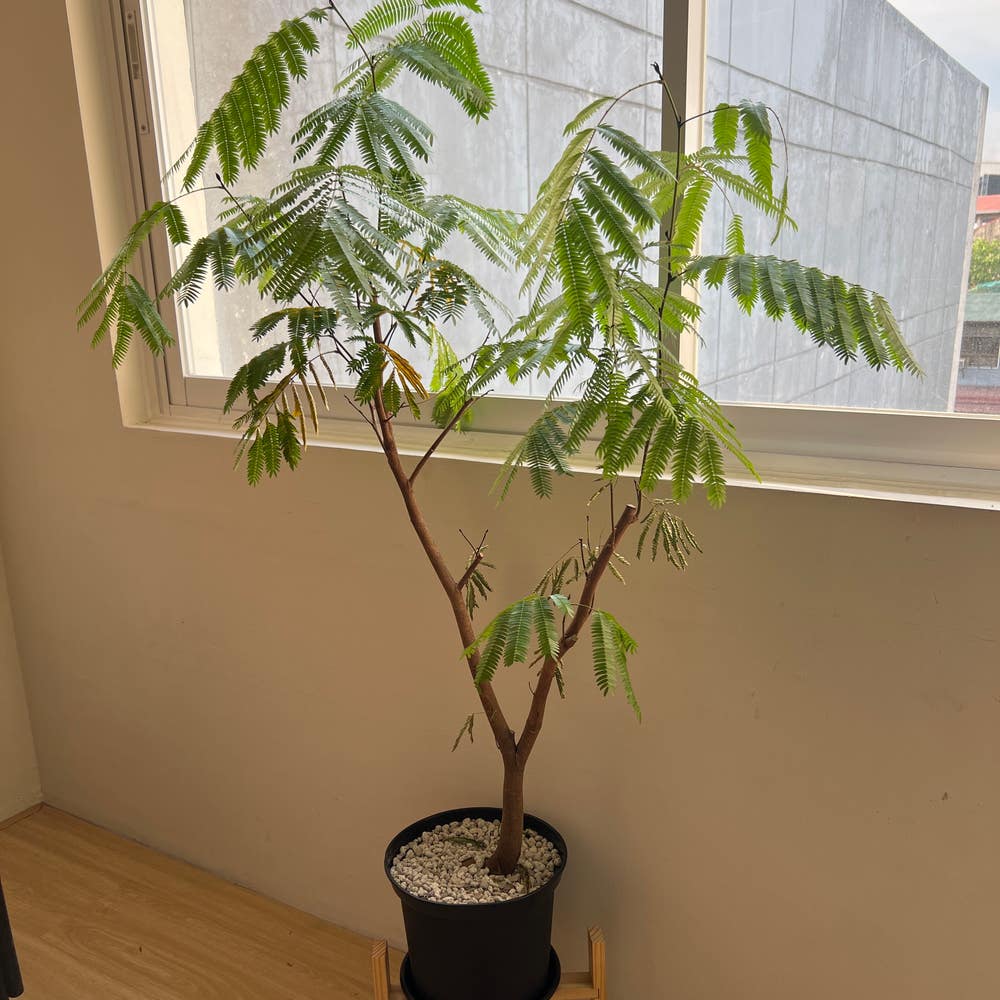
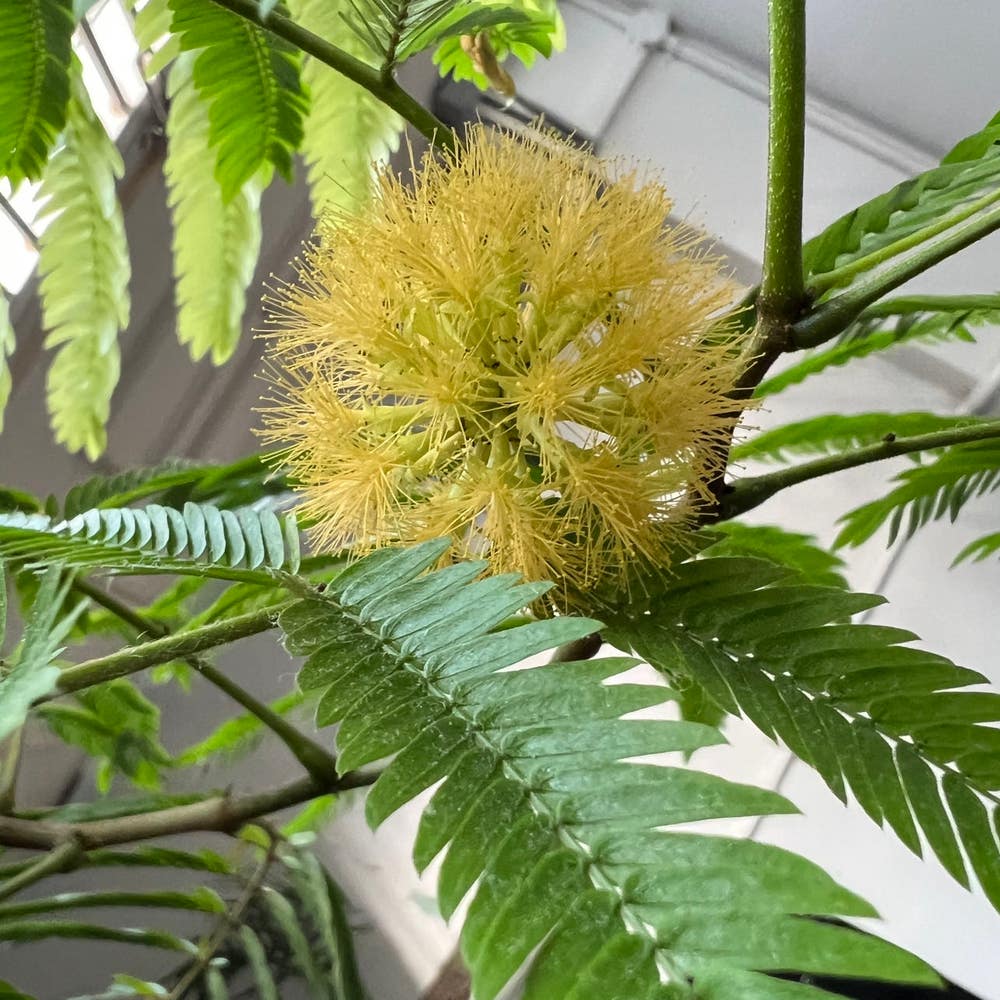
🌳 Soap Tree Hardiness Zones Ultimate Guide: 9a-11b
Albizia saponaria
By the Greg Editorial Team
Nov 08, 2024•5 min read
This article was created with the help of AI so we can cover more plants for you. May contain errors. See one? Report it here.
Unlock the secret to thriving Soap Trees by mastering their temperature needs and ideal growing conditions! 🌱
- 🌳 Soap Trees thrive in hardiness zones 9a to 11b, tolerating temperatures down to 20°F (-6°C).
- ☀️ Full sun and well-draining soil are essential for optimal Soap Tree growth.
- 🌡️ Ideal growth occurs between 60°F and 90°F, making them perfect for warmer climates.
Soap Tree Temperature Tolerance
❄️ Cold Tolerance Specifics
The Soap Tree has a minimum temperature tolerance of 20°F (-6°C), making it suitable for hardiness zone 9a. However, it is sensitive to frost damage, which can hinder its growth and overall health.
☀️ Heat Tolerance Specifics
On the flip side, this resilient tree thrives in high temperatures, with a maximum tolerance of up to 100°F (38°C). Its remarkable adaptation allows it to withstand prolonged periods of heat, making it a great choice for warmer climates.
🌡️ Temperature Ranges for Optimal Growth
For optimal growth, the ideal temperature range for the Soap Tree lies between 60°F to 90°F (15°C to 32°C). Fluctuations outside this range can impact its growth, so maintaining stable conditions is crucial for its health and vitality.
Understanding these temperature tolerances is essential for anyone looking to cultivate a thriving Soap Tree. With the right conditions, you can enjoy the beauty and benefits of this unique plant in your garden. Next, let's explore the ideal growing regions where the Soap Tree can truly flourish.
Ideal Growing Regions for Soap Tree
🌍 Examples of US States in Suitable Hardiness Zones (9a-11b)
When considering where to grow Soap Trees, certain states stand out due to their favorable climates.
- Florida boasts a warm climate with consistent moisture, making it an ideal home for these trees.
- California offers coastal regions that enjoy mild winters, perfect for nurturing Soap Trees.
- Texas features southern areas that provide the heat tolerance these trees thrive on.
🌱 Factors Contributing to Ideal Growing Conditions
To ensure your Soap Tree flourishes, several environmental factors must be considered.
Soil Requirements
Soap Trees prefer well-draining, sandy loam soil. This type of soil prevents waterlogging, which can harm the roots.
Sunlight Needs
Full sun exposure is crucial for optimal growth. Aim for at least six hours of direct sunlight daily to keep your Soap Tree healthy and vibrant.
Moisture Preferences
Regular watering is essential, but be cautious not to overwater. The goal is to maintain consistent moisture without creating soggy conditions.
Understanding these factors will help you create the perfect environment for your Soap Tree, ensuring it thrives in your garden.
As you explore the ideal growing conditions, consider how microclimates can also play a role in extending the Soap Tree's growing range.
Microclimates and Their Impact
🌱 How Microclimates Can Extend the Growing Range of Soap Tree
Microclimates play a crucial role in expanding the growing range of the Soap Tree. These localized climate variations can create conditions that are significantly warmer than the surrounding areas, allowing for successful cultivation even in less-than-ideal hardiness zones.
By providing sheltered environments, microclimates can protect Soap Trees from harsh weather. For instance, areas shielded from wind or those with reflective surfaces can trap heat, making them more suitable for growth.
🌊 Examples of Microclimates in Various Regions
Coastal areas in California are prime examples of beneficial microclimates. The ocean moderates temperatures, resulting in milder winters that are perfect for Soap Trees to thrive.
Urban areas also create unique microclimates due to heat retention from buildings and pavement. This phenomenon can elevate local temperatures, offering a more hospitable environment for Soap Trees compared to surrounding rural areas.
Understanding these microclimates can significantly enhance your gardening strategy. By identifying and utilizing these localized conditions, you can maximize the potential for healthy Soap Tree growth, even in regions that might otherwise be unsuitable.
As we explore the state-level suitability for growing Soap Trees, keep in mind how these microclimates can influence your gardening success.
State-Level Suitability Analysis
🌳 List of US States Suitable for Growing Soap Tree (9a-11b)
If you're looking to cultivate a Soap Tree, several states stand out as ideal environments.
- Florida: With its warm climate and consistent moisture, Florida provides the perfect backdrop for these trees to thrive.
- California: Coastal regions enjoy mild winters, making it a prime location for Soap Tree growth.
- Texas: The southern regions of Texas boast heat tolerance, allowing these trees to flourish even in high temperatures.
- Louisiana: The humid subtropical climate supports the moisture needs of the Soap Tree.
- Hawaii: With its tropical climate, Hawaii offers year-round warmth and humidity, ideal for this species.
These states share favorable conditions, including warm temperatures and adequate moisture, essential for the Soap Tree's growth.
🚫 List of US States Unsuitable for Growing Soap Tree and Reasons Why
Not all states can provide the right environment for Soap Trees.
- North Dakota: Extreme cold and prolonged frost make it nearly impossible for these trees to survive.
- Montana: Similar to North Dakota, Montana faces harsh winters that hinder growth.
- Maine: The cold climate and frost duration present significant challenges for Soap Tree viability.
These states struggle with conditions that are simply too extreme for the Soap Tree to thrive, including unsuitable soil types and long frost periods.
⚠️ Discussion of Specific Challenges in Unsuitable States
In unsuitable states, the challenges are multifaceted.
The timing of the first and last frost dates can severely impact growth potential. If a Soap Tree is exposed to frost too early in the spring or too late in the fall, it can stunt its growth or even kill the tree.
Moreover, prolonged cold temperatures can lead to significant stress on the plant, making it vulnerable to diseases and pests. This stress can ultimately compromise the tree's health and longevity, making it crucial to choose the right location for planting.
Understanding these factors can help you make informed decisions about where to plant your Soap Tree, ensuring a thriving garden.
⚠️ Safety First
This content is for general information and may contain errors, omissions, or outdated details. It is not medical, veterinary advice, or an endorsement of therapeutic claims.
Always consult a qualified healthcare professional before using any plant as food, medicine, or supplement.
Never eat any plant (or feed one to pets) without confirming its identity with at least two trusted sources.
If you suspect poisoning, call Poison Control (800) 222-1222, the Pet Poison Helpline (800) 213-6680, or your local emergency service immediately.
Spotted an error? Please report it here.
Cultivating a Soap Tree in the right hardiness zone can yield a stunning addition to your garden, and with Greg's tailored care tips and reminders, you’ll achieve thriving growth 🌳 effortlessly!