Step-by-Step Guide to Soap Tree Flowers 🌸
Albizia saponaria
By the Greg Editorial Team
Nov 08, 2024•5 min read
This article was created with the help of AI so we can cover more plants for you. May contain errors. See one? Report it here.
Uncover the Soap Tree's hidden beauty and resilience beyond its sparse blooms! 🌳
- 🌼 Soap Tree flowers are small and white, but foliage and fruit steal the show.
- 🌞 Limited flowering occurs due to poor sunlight, soil, or watering; adjust conditions for blooms.
- 🌳 After flowering, the Soap Tree thrives, entering a new growth phase with vibrant foliage.
Flowering Status
🌸 Clarification on Flower Production
The Soap Tree does indeed produce flowers, but don’t expect a floral extravaganza. These blooms are often sparse and not the main attraction of this unique plant.
Flowering can be limited or even absent due to various conditions. Factors like inadequate sunlight, poor soil quality, or insufficient watering can hinder the blooming process.
Instead of focusing on flowers, the Soap Tree is primarily admired for its lush foliage and intriguing fruit. The vibrant green leaves and the unique soap-like fruit often steal the show, making it a popular choice for ornamental landscaping.
In summary, while the Soap Tree can flower, its true charm lies in its foliage and fruit, which provide a stunning visual appeal throughout the year. This focus on non-floral features makes it a versatile addition to any garden.
As we explore further, let’s dive into what happens if the Soap Tree does flower.
If Soap Tree Does Flower
🌼 Flower Characteristics
Description of Colors and Structure
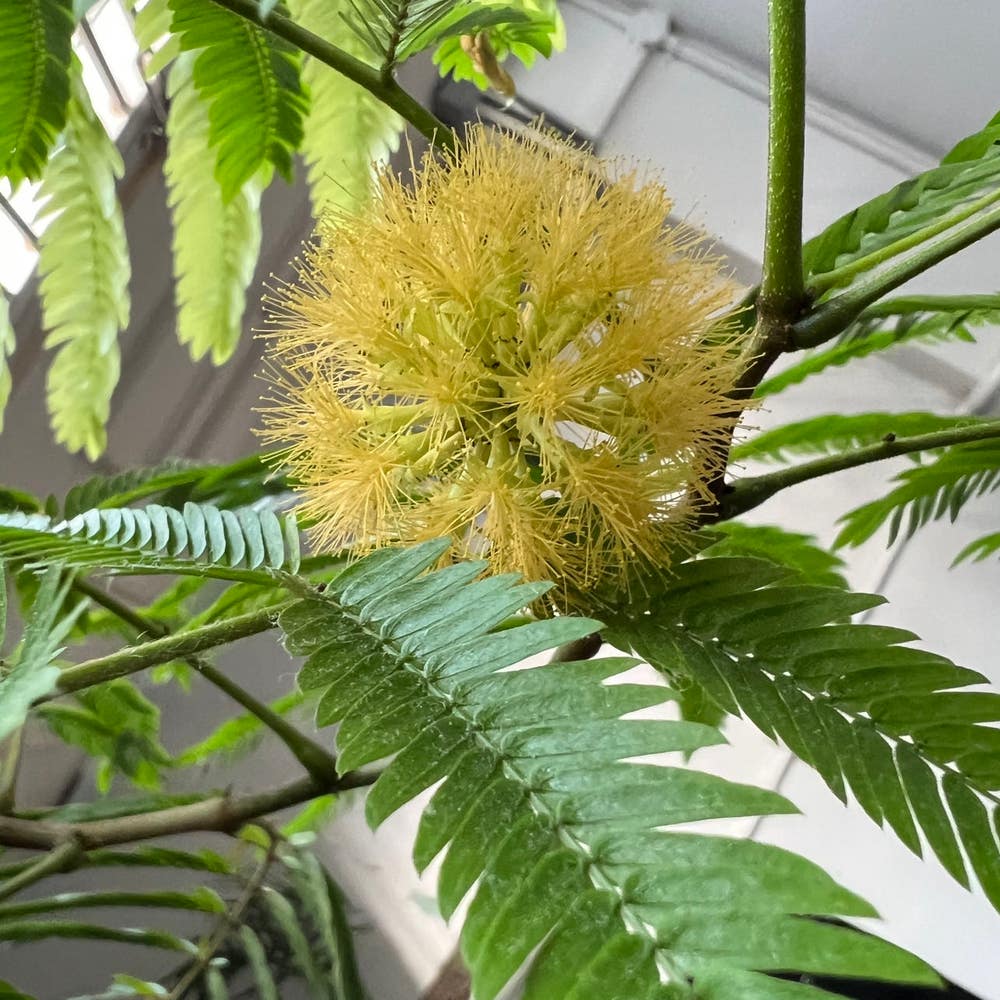
The Soap Tree produces small, white flowers that bloom in clusters. Each flower features delicate petals and prominent stamens, arranged neatly on a flower spike, creating a visually appealing display.
Self-Pollination vs. External Pollination
Soap Trees are primarily self-pollinating, meaning they can fertilize their own flowers without needing external help. However, they also benefit from external pollinators, such as bees, which can enhance the pollination process.
🌸 Blooming Process
Stages of Blooming and Typical Bloom Time
The blooming process of the Soap Tree consists of three main stages: bud formation, flowering, and seed development. Typically, blooms occur in response to seasonal patterns and environmental triggers, often peaking in warmer months.
Duration from Bud Formation to Full Bloom
From bud formation to full bloom, the process usually takes several weeks. This timeline can vary based on environmental conditions and care practices.
Lifespan of the Flowers
Once the flowers bloom, they generally last for a few days to a week. Factors like temperature and humidity can significantly affect how long the flowers remain vibrant.
🌱 Encouraging Blooms
Tips for Encouraging Soap Tree to Bloom
To encourage your Soap Tree to bloom, focus on providing adequate sunlight, regular watering, and balanced fertilization. These best practices create an optimal environment for flowering.
Factors Influencing Flowering
Several environmental factors influence flowering, including temperature, humidity, and soil conditions. Proper pruning and maintenance also play a crucial role in promoting healthy blooms.
🌿 Post-Flowering
What Happens to the Plant After Flowering
After flowering, the Soap Tree typically experiences new leaf growth and fruit development. This post-bloom phase is vital for the plant's overall health and vitality.
Discussion on Whether Soap Tree Dies After Flowering
Unlike some plants that die after flowering, the Soap Tree continues to thrive. It does not undergo a "death bloom" but rather enters a new growth phase, ensuring its longevity and resilience.
This understanding of the Soap Tree's flowering process not only enhances your gardening knowledge but also prepares you for the next section on what happens if the Soap Tree doesn't flower.
If Soap Tree Doesn't Flower
🌳 Primary Ornamental or Functional Features
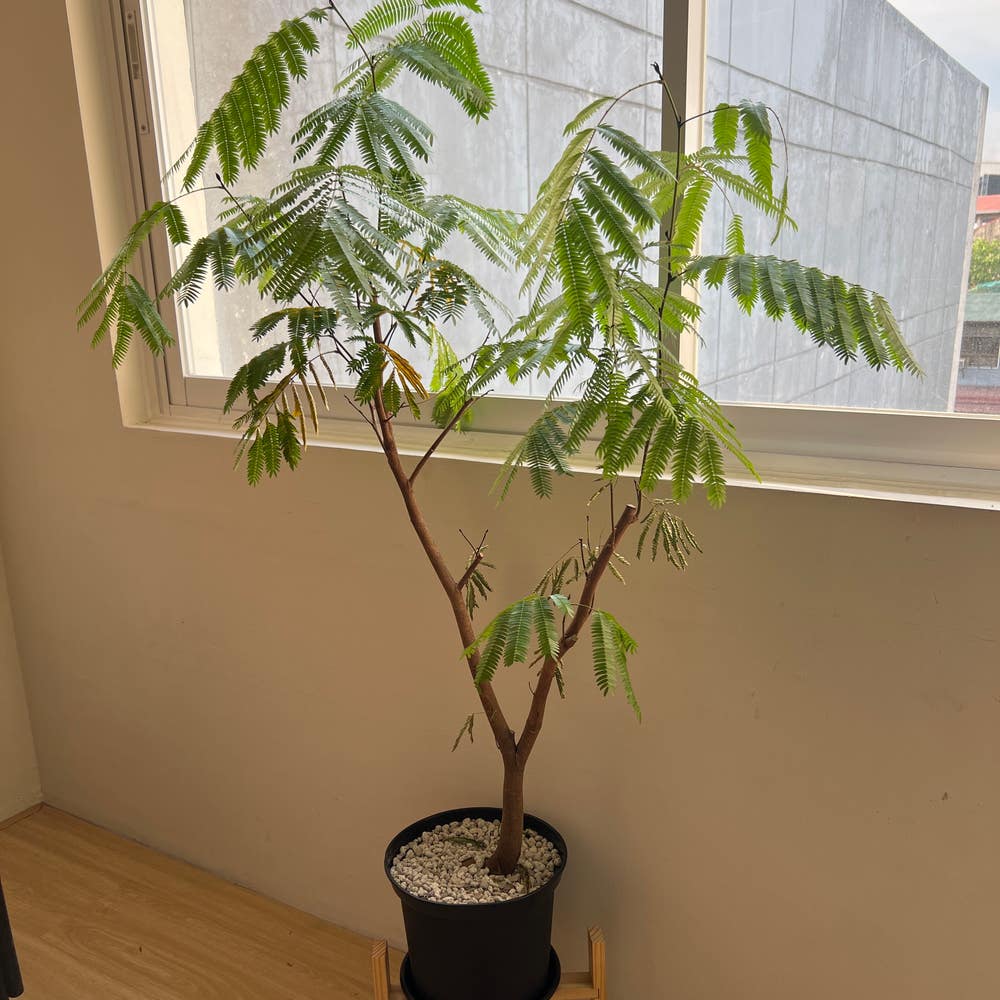
Even without flowers, the Soap Tree remains a stunning addition to any landscape. Its lush foliage boasts a vibrant green color, creating a dense canopy that provides ample shade.
The size of the canopy can be quite impressive, making it an excellent choice for those seeking natural shelter. Beyond aesthetics, the Soap Tree's fruit has practical uses, serving as a natural detergent due to its saponin content.
🌱 Explanation of How Soap Tree Reproduces Without Flowers
While the Soap Tree may not rely on flowers for reproduction, it has developed fascinating methods to thrive. One way it reproduces is through vegetative reproduction, where new plants can sprout from the roots or cuttings.
Additionally, the Soap Tree's fruit plays a crucial role in its life cycle. Once the fruit falls, it disperses seeds that can germinate under the right conditions, ensuring the continuation of this remarkable species.
With its unique adaptations and functional benefits, the Soap Tree proves to be more than just a pretty face in the garden. It thrives in various environments, showcasing resilience and versatility.
As we explore the unique aspects of the Soap Tree, we'll uncover even more intriguing characteristics that highlight its ecological significance.
Unique Aspects
🌼 Unusual Characteristics Related to Flowering or Non-Flowering Nature
The Soap Tree exhibits fascinating adaptations that allow it to thrive in various environments. Its sparse flowering is a survival strategy, enabling the tree to conserve energy for robust foliage and fruit production.
This tree is particularly resilient, often prioritizing leaf growth over flowers. This adaptation not only provides shade but also supports its role in the ecosystem, offering habitat for various wildlife.
🤔 Interesting Facts or Trivia About Reproductive Strategy
Did you know that the Soap Tree's fruit has natural detergent properties? This unique feature has earned it a place in traditional practices, where the fruit is used for cleaning.
Moreover, the Soap Tree's lifecycle is intriguing. While it may not produce abundant flowers, it effectively reproduces through its fruit, which contains seeds that can germinate under the right conditions. This strategy ensures the continuation of the species, even in challenging environments.
In summary, the Soap Tree's unusual flowering habits and reproductive strategies highlight its adaptability and ecological significance. Understanding these aspects enriches our appreciation for this remarkable tree and its role in nature.
⚠️ Safety First
This content is for general information and may contain errors, omissions, or outdated details. It is not medical, veterinary advice, or an endorsement of therapeutic claims.
Always consult a qualified healthcare professional before using any plant as food, medicine, or supplement.
Never eat any plant (or feed one to pets) without confirming its identity with at least two trusted sources.
If you suspect poisoning, call Poison Control (800) 222-1222, the Pet Poison Helpline (800) 213-6680, or your local emergency service immediately.
Spotted an error? Please report it here.
Discover the charm of the Soap Tree 🌳 and let Greg help you achieve vibrant blooms by providing tailored care reminders for sunlight, watering, and fertilization!