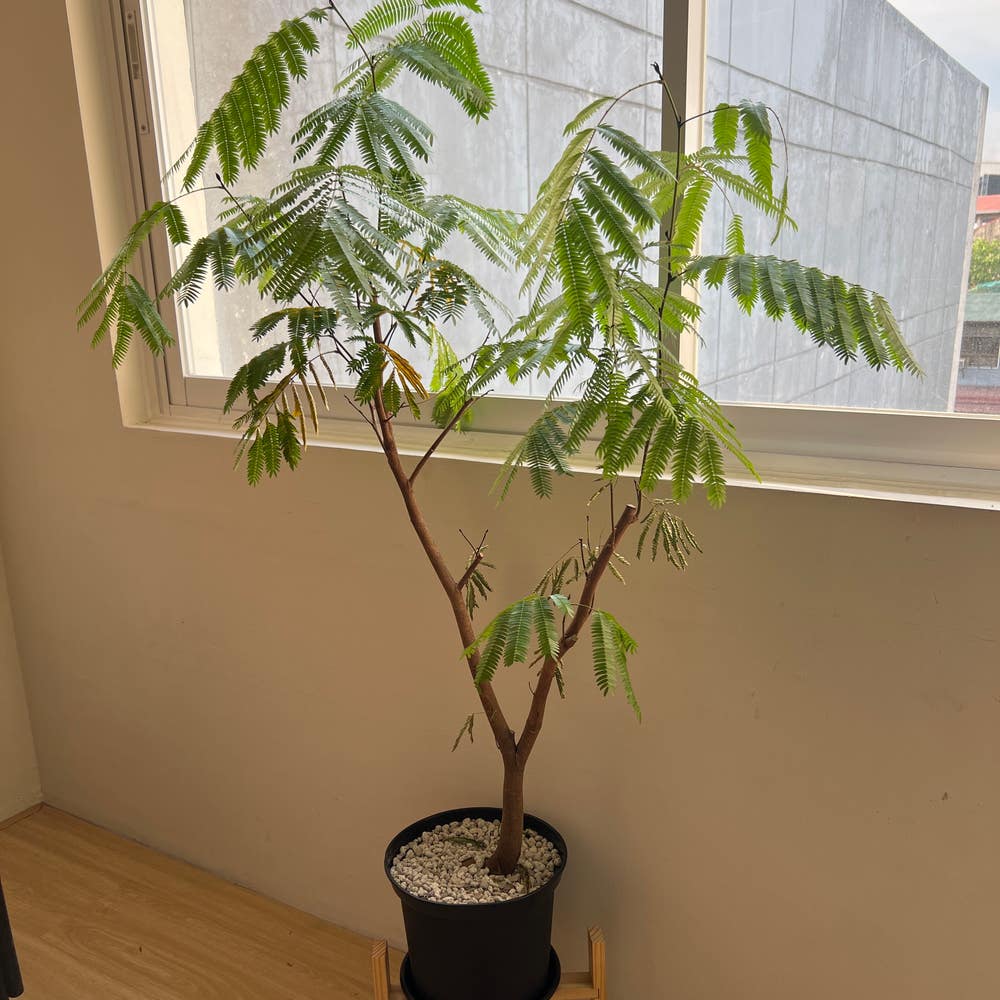
🧼 Everything You Need to Know About Albizia saponaria
Albizia saponaria
By the Greg Editorial Team
Jan 29, 2025•11 min read
This article was created with the help of AI so we can cover more plants for you. May contain errors. See one? Report it here.
Elevate your garden's beauty and ecology with the stunning Albizia saponaria tree! 🌳✨
- 🌞 Albizia saponaria thrives in full sun for optimal growth and health.
- 🌱 Well-drained, fertile soil with pH 6.0-7.0 is essential for this tree.
- 🌳 Plant in spring or early summer, spacing 10-15 feet apart for best results.
How to Grow
Choosing a Location 🌞
For Albizia saponaria, full sun is essential for optimal growth. Whether you’re planting outdoors or in a container, ensure the location receives ample sunlight throughout the day.
Soil Preparation 🌱
This tree thrives in well-drained, fertile soil. Aim for a pH level between 6.0 and 7.0, which is slightly acidic to neutral.
Planting Techniques 🌳
The best time to plant is in spring or early summer. When planting outdoors, space your trees 10 to 15 feet apart to allow for their expansive growth.
Watering Requirements 💧
After planting, give your Albizia a deep watering to establish roots. During dry spells, maintain a weekly watering schedule to keep the soil moist but not soggy.
Fertilizing Schedule 🌾
Use a balanced NPK fertilizer to nourish your tree. Apply it every 4 to 6 weeks during the growing season for best results.
Pruning Methods ✂️
Prune your Albizia in late winter or early spring before new growth begins. Focus on removing dead or crossing branches to enhance airflow and promote healthy growth.
Ongoing Care 🛡️
Regularly monitor your tree for pests and diseases. Adjust your watering and fertilization based on the growth stage to ensure it remains healthy and vibrant.
As you embark on this growing journey, remember that patience and care will yield a flourishing Albizia saponaria that enhances your garden's beauty. Next, let’s explore how to propagate this stunning tree effectively.
Propagation
Seed Propagation Steps 🌱
Propagating Albizia saponaria from seeds is straightforward and rewarding. Start by soaking the seeds in water for 24 hours to enhance germination.
Next, plant the seeds about 1 inch deep in well-draining soil. Under warm conditions, you can expect germination within 2 to 4 weeks, setting the stage for your new plants.
Cutting Propagation Techniques ✂️
If you prefer cuttings, select healthy stems that are 6 to 8 inches long. This method allows for quicker establishment of new plants.
Use a rooting medium composed of perlite and peat moss to encourage root development. Keep the cuttings in a humid environment, and they should root within 4 to 6 weeks, giving you a head start on your Albizia garden.
With these propagation techniques, you can easily expand your collection of this beautiful tree. Now, let’s explore the lifecycle of Albizia saponaria and how it develops over time.
Albizia saponaria Lifecycle Stages 🌱 The lifecycle of Albizia saponaria begins with germination, where seeds sprout within 2-4 weeks under suitable conditions. Following this, the seedling stage sees initial growth, characterized by the development of leaves.
As the plant enters vegetative growth, it experiences a rapid growth phase, establishing robust roots and lush foliage. Flowering typically begins in late spring and continues into summer, culminating in seed production, which occurs after flowering, usually in late summer.
Lifespan and Growth Timeline ⏳
Under optimal conditions, Albizia saponaria can live for 20-30 years, making it a long-term addition to your garden. It takes approximately 3-5 years for the tree to reach its full height, providing ample time for it to establish itself.
Growth Rate 📈
This tree boasts an average growth rate of 1-2 feet per year, allowing it to flourish steadily. Full height is generally achieved within 10-15 years, making it a rewarding investment for any gardener looking to enhance their landscape.
Understanding the lifecycle of Albizia saponaria is crucial for successful cultivation. With the right care and attention, you can enjoy its beauty and benefits for decades to come. Next, let’s explore how to effectively propagate this remarkable tree.
Size
Mature Height and Spread 🌳
Albizia saponaria can reach impressive heights, typically growing between 10 to 20 meters (33 to 66 feetAlbizia saponariaequally notable, extending 10 to 15 meters (33 to 49 feet) across, making it a striking presence in any landscape.
Growth Habits 🌱
This tree exhibits an upright growth habit, characterized by a broad canopy that provides ample shade. Its moderate growth rate is influenced by environmental conditions, meaning it thrives best in optimal settings.
Size Variability 📏
Several factors can affect the size of Albizia saponaria. Soil quality, water availability, and sunlight exposure all play crucial roles in determining how tall and wide this tree will ultimately grow.
Understanding these aspects will help you create the best conditions for your Albizia saponaria to flourish. Next, let’s delve into the fascinating lifecycle of this remarkable tree.
Roots
Root System Characteristics 🌱
Albizia saponaria features aAlbiziaaproot system complemented by lateral fibrous roots. In optimal conditions, these roots can reach depths of up to 3 meters (10 feet) and extend wider than the tree's canopy.
Common Root-Related Issues ⚠️
One of the most common problems is root rot, which occurs due to overwatering. Symptoms include wilting and yellowing leaves, signaling that your tree may need immediate attention.
Identifying healthy roots is crucial for the plant's well-being. Healthy roots are firm and white, while unhealthy roots appear brown and mushy, indicating potential issues.
Recognizing Rootbound Conditions 🔒
If you notice roots growing out of the drainage holes of your container, your plant may be rootbound. This condition restricts growth and can lead to stress for the tree.
To remedy rootbound conditions, consider repotting the tree into a larger container. Alternatively, amending the soil can provide the necessary space and nutrients for healthy growth.
Understanding these root dynamics is essential for maintaining a thriving Albizia saponaria. With proper care, your tree can flourish and contribute to your garden's beauty.
Benefits
Top 5 Benefits 🌟
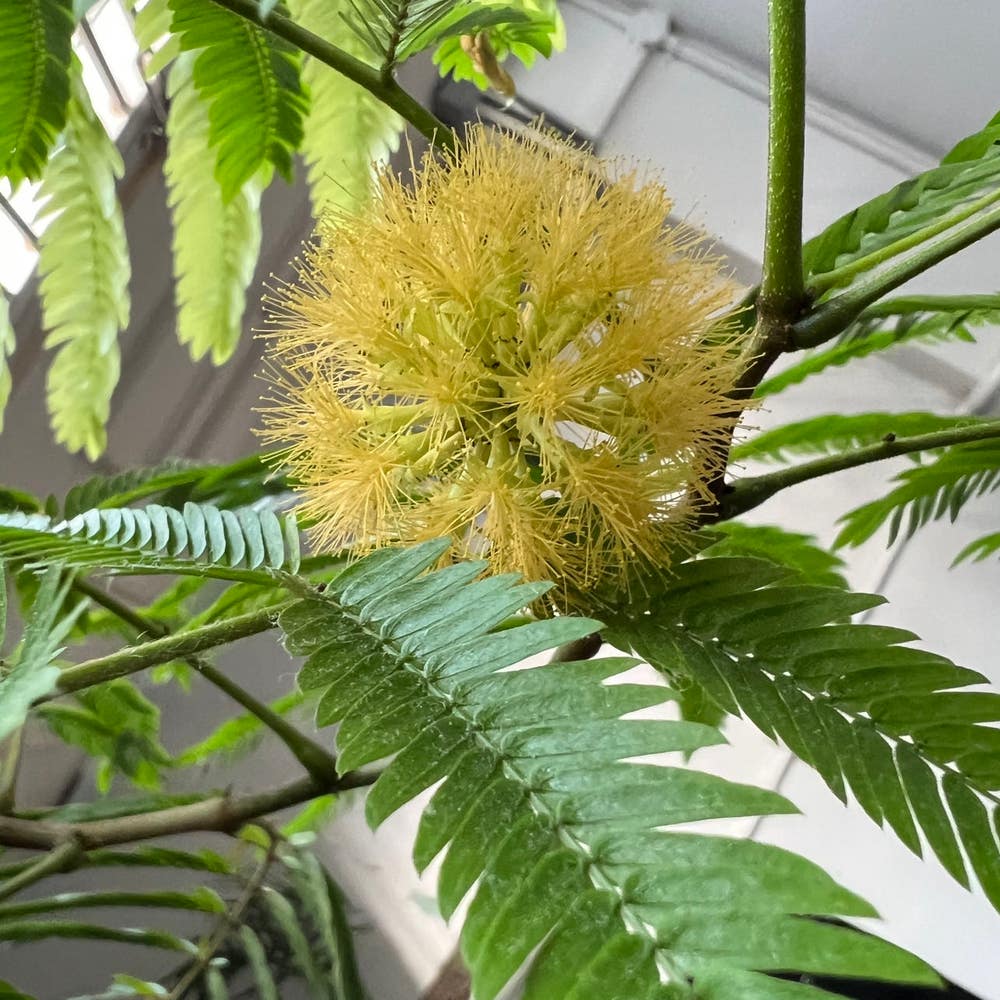
Ornamental AppAlbizia saponariasaponaria boasts stunning foliage and vibrant flowers, making it a standout addition to any garden. Its aesthetic charm can elevate the beauty of landscapes and outdoor spaces.
Nitrogen Fixation
This tree plays a crucial role in enhancing soil fertility through nitrogen fixation. By enriching the soil, it benefits not only itself but also surrounding plants, promoting a healthier ecosystem.Shade Provision
With its broad canopy, Albizia saponaria provides ample shade, making it a perfect choice for gardens and outdoor areas. This natural shade can help cool your space during hot summer months.
4.Albizia saponariacine
In various cultures, parts of the Albizia tree have been utilized for medicinal purposes. Its historical significance in traditional medicine highlights its value beyond mere aesthetics.
- Wildlife Habitat
This tree attracts a variety of wildlife, including pollinators and birds. By planting Albizia saponaria, you contribute to a thriving ecosystem, supporting biodiversity in your garden.
Cultural Significance 🌍
Albizia saponaria is more than just a beautiful tree; it symbolizes resilience and beauty across different cultures. Its presence in traditional ceremonies aAlbizia saponariarscores its importance in various communities, making it a tree that connects people to their heritage and nature.
Incorporating this tree into your landscape not only enhances your garden but also honors its rich cultural legacy. As you nurture it, you become part of a larger story that celebrates the beauty of nature and its benefits to humanity.
Companion Plants
🌱 Concept of Companion Planting
Companion planting is all about creating a harmonious garden environment. It enhances diversity, improves pest management, and boosts overall plant health.
🌼 Best Companion Plants
When considering companions for Albizia saponaria, legumes are excellent choices. They fix nitrogen in the soil, enriching it for surrounding plants.
Flowering plants also make great companAlbizia saponariapollinators that benefit your garden. These plants often share similar care needs, making them easy to grow alongside Albizia.
🚫 Plants to Avoid
Not all plants play nicely together. Avoid those that compete for nutrients or attract pests, as they can hinder the growth of your Albizia.
Choosing the right companions can make a significant difference in your garden's success. With thoughtful planning, you can create a thriving ecosystem that supports your Albizia saponaria and enhances its beauty.
Next, let’s explore the toxicity of Albizia saponaria to humans and pets, ensuring a safe gardening experience.
Toxicity to Humans
Safety Overview 🌿
Albizia saponaria is not listed as toxic by major poison control centers. This means it’s generally safe for handling and even ingestion in small amounts.
Caution Advised ⚠️
While the tree is considered safe, it's always wise to exercise caution. If you experience any unusual symptoms after contact or consumption, seeking medical advice is recommended.
This knowledge can help you enjoy the beauty of Albizia saponaria without unnecessary worry. Now that you’reAlbiziaed about its safety, let’s explore its effects on pets in the next section.
Toxicity to Dogs
Safety Overview 🐶
Albizia saponaria is not listed as toxic by major pet poison control centers, which is great news for dog owners. Generally, it's considered safe around dogs, presenting minimal risk.
Caution Advised ⚠️
While the tree is safe, it's always wise to monitor your furry friends for any unusual interactions. If your dog shows signs of distress after contact, consult a veterinarian for peace of mind.
This knowledge allows you to enjoy your Albizia saponaria without worrying about your dog's safety. Next, let’s explore how this tree interacts with our feline friends.
Toxicity to Cats
Safety Overview 🐱
Albizia saponaria is not listed as toxic by major pet poison control centers. This means it’s generally safe for cats, presenting minimal risk in most situations.
Monitoring Interactions 👀
While the tree is considered safe, it's always wise to keep an eye on your feline friends. If you notice any unusual behavior or symptoms after they’ve been around the tree, consult a veterinarian for peace of mind.
Conclusion 🌳
In summary, Albizia saponaria poses little threat to cats, making it Albizia saponariaon to your garden. Just remember to stay vigilant and enjoy the beauty this tree brings to your space!
Problems
Common Problems 🌱
Incorrect Watering
Watering is crucial for Albizia saponaria, but getting it right can be tricky. Overwatering leads to wilting, while underwatering results in dry leaves.
To remedy this, adjust your watering schedule based on the soil's moisture level. A simple finger test can help you gauge when to water.
Incorrect Light Conditions
Light conditions significantly impact growth. If your tree exhibits leggy growth or drops leaves, it might not be getting enough sunlight.
Ensure your Albizia enjoys full sun exposure for optimal health. This tree thrives in bright light, so don’t shy away from that sunny spot!
Diseases
Like any plant, Albizia saponaria can fall victim to diseases. Common issues include powdery mildew and rust, which can hinder growth.
To combat these, improve airflow around the tree and apply fungicides if necessary. Keeping the area well-ventilated can make a world of difference.
Root Problems
Root health is vital for overall plant vigor. Signs of root rot include mushy roots, which indicate overwatering.
To fix this, focus on improving drainage and adjusting your watering practices. Healthy roots are the foundation of a thriving tree.
Leaf Issues
Leaf problems can signal underlying issues. Yellowing or scorching leaves often point to improper watering or light conditions.
Assess both your watering habits and the amount of sunlight your tree receives. A little adjustment can lead to vibrant, healthy foliage.
Conclusion 🌟
By understanding these common problems, you can ensure your Albizia saponaria remains healthy and vibrant. Next, let’s explore the potential pest issues that may arise and how to tackle them effectively.
BugAlbizia saponariaest Issues 🐛
Albizia saponaria is generally pest-resistant, but it can still fall victim to a few specific pests. Keeping an eye out for these common culprits can help maintain the health of your tree.
Identification and Treatment Options 🩺
Spider Mites
- Identification: Look for fine webbing on leaves, which is a telltale sign of spider mites.
- Treatment: Increase humidity around the plant and apply miticides to eliminate these pests.
Scale Insects
- Identification: Sticky residue on leaves and discoloration are indicators of scale insects.
- Treatment: Use insecticidal soap or neem oil to effectively manage these pests.
Mealybugs
- Identification: Cotton-like masses on stems signal a mealybug infestation.
- Treatment: Manual removal is effective, along with the application of insecticidal soap.
Aphids
- Identification: Small green or black insects on new growth are likely aphids.
- Treatment: Introduce beneficial insects or use insecticidal soap to control their population.
By staying vigilant and addressing these pest issues promptly, you can ensure your Albizia saponaria thrives. Next, let’s explore what animals might be munching on your tree and how to deter them effectively.
What Eats
🦌 Common Animals
Albizia saponaria, while a stunning addition to any garden, can attract a variety of garden animals that may feed on or damage the tree. Understanding these potential threats is crucial for maintaining the health of your tree.
🚨 Signs of Damage
- Deer: These graceful creatures often browse on the leaves and branches, leaving behind noticeable nibble marks.
- Rabbits: Known for their insatiable appetites, rabbits may gnaw on the lower stems, which can hinder growth.
- Squirrels: These playful critters might chew on the bark or flowers, causing unsightly damage.
🛡️ Deterrent Methods
To protect your Albizia saponaria, consider implementing various deterrent methods.
- Chemical deterrents: Commercial repellents can be effective in keeping these animals at bay.
- Organic methods: Planting deterrent species nearby or using physical barriers can provide a natural solution to prevent unwanted visitors.
By being proactive, you can enjoy the beauty of your Albizia saponaria without the worry of animal damage. Next, let’s explore the potential pest issues that could affect your tree’s health.
⚠️ Safety First
This content is for general information and may contain errors, omissions, or outdated details. It is not medical, veterinary advice, or an endorsement of therapeutic claims.
Always consult a qualified healthcare professional before using any plant as food, medicine, or supplement.
Never eat any plant (or feed one to pets) without confirming its identity with at least two trusted sources.
If you suspect poisoning, call Poison Control (800) 222-1222, the Pet Poison Helpline (800) 213-6680, or your local emergency service immediately.
Spotted an error? Please report it here.
Grow a thriving Albizia saponaria 🌳 with Greg's tailored watering alerts and expert care tips to ensure your tree flourishes beautifully in your garden!