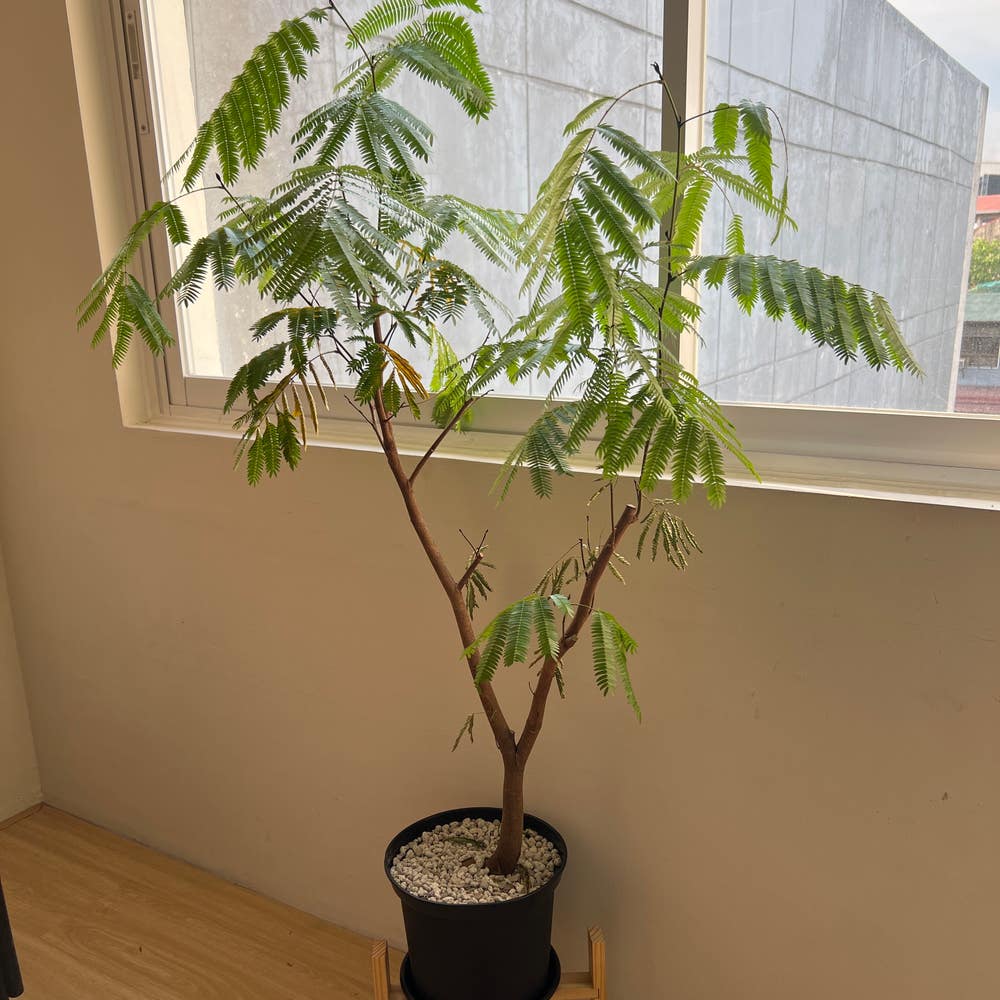
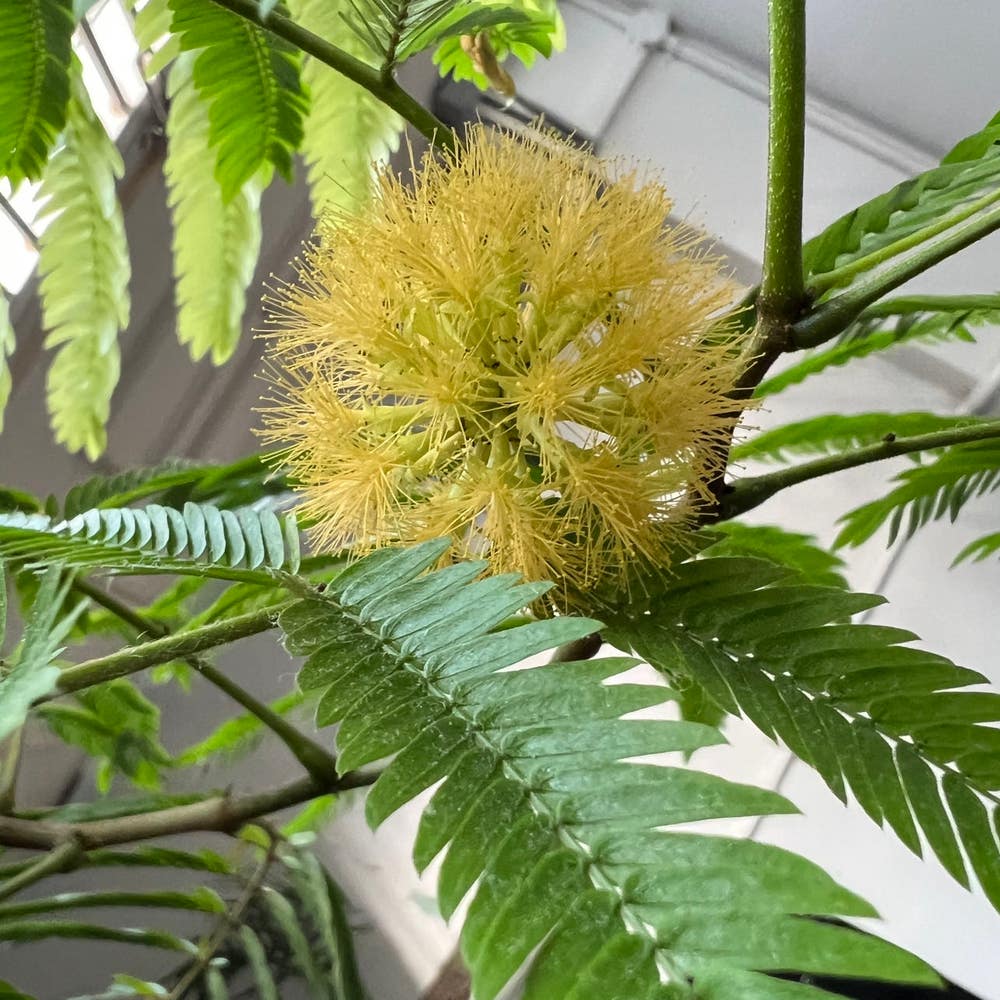
🧼 Reasons Soap Tree Leaves Turn Yellow
Albizia saponaria
By the Greg Editorial Team
Nov 08, 2024•5 min read
This article was created with the help of AI so we can cover more plants for you. May contain errors. See one? Report it here.
Transform your soap tree's health by quickly diagnosing yellow leaves and restoring its vibrant beauty! 🌱✨
- 🌱 Yellow leaves indicate distress; address issues promptly for healthier soap trees.
- 💧 Check soil moisture regularly to prevent overwatering or underwatering.
- ☀️ Ensure 6-8 hours of sunlight daily for optimal soap tree health.
Diagnosing Yellow Leaves
Identifying Symptoms 🌼
When soap tree leaves start to turn yellow, it’s often the first sign of distress. Look for changes in leaf color, transitioning from vibrant green to a dull yellow, and pay attention to texture; leaves may become soft or crisp.
Assessing Soil Moisture Levels 💧
Understanding soil moisture is crucial for plant health. Use the finger test—stick your finger into the soil up to the second knuckle—or a moisture meter to gauge moisture levels. Ideally, the soil should feel slightly moist but never soggy.
Checking for Pests and Diseases 🐛
Pests and diseases can wreak havoc on your soap tree. Conduct a thorough visual inspection, looking for any pests on the leaves and stems, and be on the lookout for signs of disease, such as fungal growth or unusual discoloration.
Evaluating Light Conditions ☀️
Light conditions play a significant role in leaf health. Soap trees thrive in full sun to partial shade; if they’re not getting enough light, you might notice symptoms like stretching and yellowing leaves. Adjust their placement if necessary to ensure they receive adequate sunlight.
Alleviating Yellow Leaves
🌊 Adjusting Watering Practices
To combat yellow leaves, start by determining your current watering frequency. Adjust this based on soil moisture readings to ensure your plant receives just the right amount of water.
Next, ensure proper drainage in pots or garden beds. This prevents water from pooling, which can lead to root rot and further yellowing.
🌱 Fertilizing Appropriately
Fertilization is key to revitalizing your soap tree. Aim to fertilize every 4-6 weeks during the growing season.
Choose a balanced NPK fertilizer or specific nutrient supplements to provide the essential elements your plant needs for healthy growth.
🐛 Treating Pests and Diseases
Identifying specific pests or diseases is crucial for effective treatment. Conduct a thorough inspection of your plant to spot any unwanted guests or signs of illness.
Once identified, apply appropriate treatments. Use insecticides for pests and fungicides for diseases to help restore your plant’s health.
🌧️ Improving Soil Drainage
Improving soil drainage can make a significant difference in your plant's vitality. Consider amending the soil with perlite or sand to enhance drainage capabilities.
This is important as it prevents root rot and promotes healthy growth, allowing your soap tree to thrive.
✂️ Pruning Affected Leaves
Pruning is a straightforward yet effective way to address yellowing leaves. As soon as you notice yellowing, grab your clean, sharp pruning shears.
Cut the affected leaves at the base to encourage new growth. This not only improves the plant's appearance but also helps redirect energy to healthier parts of the plant.
By following these steps, you can effectively alleviate yellow leaves and promote a healthier, more vibrant soap tree. Next, let’s explore how to prevent yellow leaves from becoming a recurring issue.
Preventing Yellow Leaves
🌊 Best Practices for Watering
Watering is crucial for keeping your soap tree healthy. A good rule of thumb is to water when the top inch of soil feels dry.
Deep watering is also essential. This technique encourages roots to grow deeper, making your plant more resilient.
🪴 Soil Preparation and Amendments
Start with a well-draining soil mix to prevent water from pooling around the roots.
Amending the soil with organic matter can significantly improve fertility, providing your plant with the nutrients it needs to thrive.
🐞 Regular Pest Monitoring
Pest control is a proactive approach to plant care. Conduct weekly inspections during the growing season to catch any issues early.
Utilize sticky traps and perform visual checks to keep an eye out for unwanted guests.
☀️ Optimal Light Conditions
Ensure your soap tree receives adequate sunlight exposure, ideally 6-8 hours daily.
If you notice your plant stretching or leaning, it might be time to move it to a brighter location.
🍂 Seasonal Care Tips
Adjust your care practices based on the changing seasons. This flexibility helps your plant cope with varying environmental conditions.
Keep an eye out for stress factors, especially during extreme weather, to ensure your soap tree remains healthy year-round.
By implementing these preventive measures, you can significantly reduce the chances of your soap tree's leaves turning yellow. This proactive approach not only enhances the plant's health but also enriches your gardening experience. Next, let’s explore seasonal considerations to further optimize your plant care routine.
Seasonal Considerations
Spring Care 🌱
As spring arrives, it's time to rejuvenate your soap tree. Start fertilizing to support new growth, ensuring your plant gets the nutrients it craves.
Keep an eye out for fresh leaf development. This is a sign that your plant is responding well to the seasonal changes.
Summer Care ☀️
Summer heat can be intense, so adjust your watering routine accordingly. Increase the frequency to keep your soap tree hydrated during those hot months.
Also, ensure your plant receives adequate sunlight without risking leaf scorch. A little shade during peak hours can go a long way in protecting those vibrant leaves.
Fall Care 🍂
As the days shorten, prepare your soap tree for dormancy. This means reducing both watering and fertilization to align with the plant's natural rhythms.
Stay vigilant for any signs of stress as winter approaches. Early detection can help you address issues before they escalate.
Winter Care ❄️
Winter brings its own set of challenges for your soap tree. Protect it from cold drafts by moving it indoors or providing insulation if it's outside.
During this season, reduce your watering frequency. Just make sure the soil doesn’t dry out completely, as your plant still needs some moisture to thrive.
With these seasonal care tips, you can ensure your soap tree remains healthy and vibrant all year round. Next, let’s explore best practices for preventing yellow leaves.
⚠️ Safety First
This content is for general information and may contain errors, omissions, or outdated details. It is not medical, veterinary advice, or an endorsement of therapeutic claims.
Always consult a qualified healthcare professional before using any plant as food, medicine, or supplement.
Never eat any plant (or feed one to pets) without confirming its identity with at least two trusted sources.
If you suspect poisoning, call Poison Control (800) 222-1222, the Pet Poison Helpline (800) 213-6680, or your local emergency service immediately.
Spotted an error? Please report it here.
Revive your soap tree's vibrant health 🌿 by using Greg's tailored reminders for soil moisture and pest checks to prevent yellowing leaves and promote lush growth!