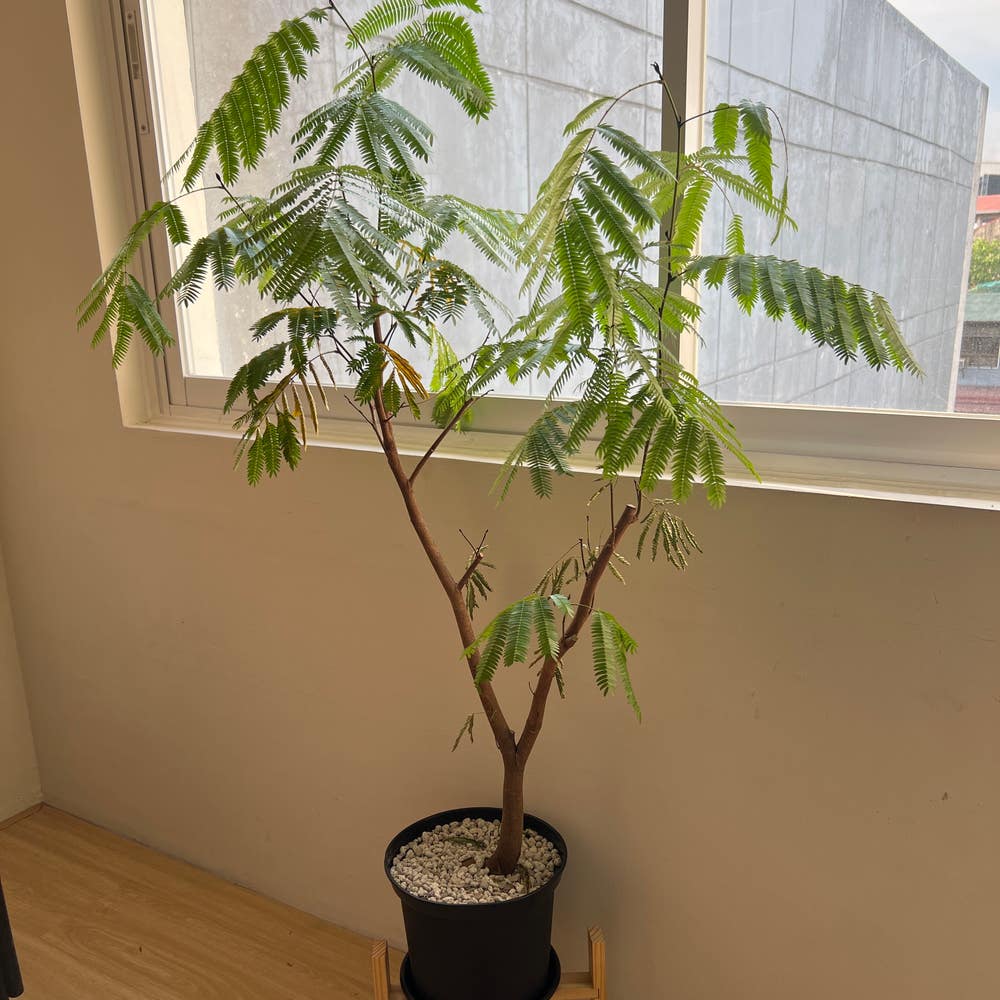
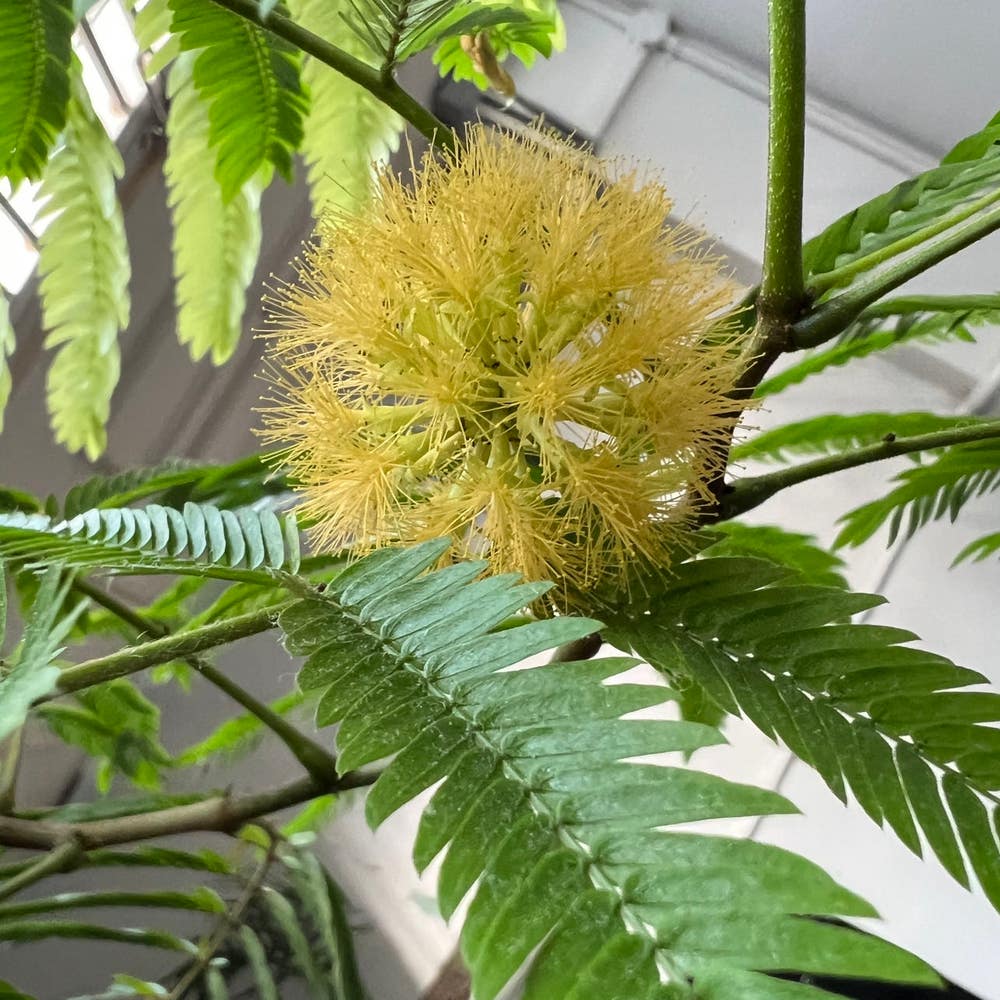
🌼 Top 9 Pot Options to Make Your Soap Tree Thrive
Albizia saponaria
By the Greg Editorial Team
Nov 08, 2024•6 min read
This article was created with the help of AI so we can cover more plants for you. May contain errors. See one? Report it here.
Boost your soap tree's growth 🌱 by choosing the perfect pot size and material for every stage!
- 🌱 Choose pot sizes wisely: 4-6 inches for seedlings, 12-16 inches for mature trees.
- 🏺 Material matters: Clay pots dry quickly; plastic retains moisture but risks root rot.
- 💧 Ensure drainage: Use pots with 2-3 holes to prevent waterlogging and promote growth.
Pot Size for Different Growth Stages
🌱 Seedlings
For seedlings, a pot size of 4-6 inches in diameter is ideal. This smaller size encourages robust root development and helps prevent overwatering, which can be detrimental at this delicate stage.
🌿 Young Plants
As your plants grow, transitioning to 8-10 inch diameter pots is recommended. This size supports increased root growth and allows for better nutrient uptake, ensuring your young plants thrive.
🌳 Mature Plants
Mature plants require more space, so opt for pots that are 12-16 inches in diameter or larger. This provides adequate room for root expansion and stability, essential for healthy, thriving plants.
By choosing the right pot size for each growth stage, you set the foundation for a flourishing soap tree. Next, let’s explore the various pot materials that can further enhance your plant's growth.
Pot Materials
Choosing the right pot material is crucial for your soap tree's health. Each option has its unique benefits and drawbacks that can significantly impact growth.
🏺 Clay Pots
Advantages
Clay pots are known for their breathability, which promotes healthy root systems. They also offer an aesthetic appeal, providing a natural look that many plant enthusiasts love.
Disadvantages
However, clay pots come with some downsides. They are heavier and less portable, making them a challenge to move around. Additionally, they can dry out quickly, which may require more frequent watering.
🥤 Plastic Pots
Advantages
On the other hand, plastic pots are lightweight and easy to move, making them a popular choice for many gardeners. They also retain moisture longer, which can be beneficial for plants that prefer consistent hydration.
Disadvantages
Yet, plastic pots have their drawbacks. They are less breathable, increasing the risk of root rot. Moreover, environmental concerns arise since they are made from non-biodegradable materials.
🌱 Other Materials
Ceramic
Ceramic pots combine aesthetic appeal with durability. They retain moisture better than clay pots, making them a solid choice for maintaining consistent soil moisture.
Biodegradable Options
For those looking for eco-friendly alternatives, biodegradable pots made from coconut coir or recycled paper are excellent choices. These options not only support plant growth but also enrich the soil over time as they decompose.
Choosing the right pot material is essential for your soap tree's thriving growth. Next, let’s explore the importance of drainage considerations to ensure your plant remains healthy and vibrant.
Drainage Considerations
Importance of Drainage Holes 🌧️
Drainage holes are crucial for your soap tree's health. They prevent waterlogging and root rot, which can quickly turn your thriving plant into a wilting mess.
Aim for at least 2-3 drainage holes in your pots. This simple feature can make all the difference in maintaining a healthy root system.
Ensuring Proper Drainage 🚰
To ensure your plant thrives, follow these steps:
- Choose pots with built-in drainage holes. This is your first line of defense against excess moisture.
- Use a well-draining potting mix. Look for mixes designed to allow water to flow freely while retaining some moisture.
- Add a layer of gravel or stones at the bottom. This extra layer helps facilitate drainage and keeps the roots from sitting in water.
Signs of Poor Drainage ⚠️
Keep an eye out for symptoms of poor drainage. Yellowing leaves, wilting, and stunted growth are all red flags that something is off.
If left unchecked, poor drainage can lead to root rot and ultimately plant death. Regularly check your pots and soil conditions to catch these issues early.
With proper drainage, your soap tree will have the best chance to flourish. Next, let’s explore when and how to repot your plant for continued growth.
Repotting Guidelines
When to Repot 🌱
Knowing when to repot your soap tree is crucial for its health. Look for signs like roots poking out of the drainage holes, stunted growth, or depleted soil nutrients.
For young plants, aim to repot every 1-2 years. Mature plants typically need repotting every 2-3 years to ensure they have enough space to thrive.
Step-by-Step Guide to Repotting 🛠️
Repotting can seem daunting, but it’s straightforward. Follow these steps for a smooth transition:
- Prepare a new pot: Ensure it has drainage holes and fill it with fresh potting mix.
- Gently remove the plant: Carefully take the plant out of its current pot to avoid damaging the roots.
- Loosen any tightly bound roots: This helps the roots spread out in the new pot.
- Place the plant in the new pot: Ensure it sits at the same depth as before to avoid stress.
- Fill in with potting mix: Pack the soil around the plant and water thoroughly to settle the mix.
Choosing the Right Pot 🪴
Selecting the right pot is essential for your plant's growth stage. The size and material should align with the plant's needs.
Always ensure adequate drainage. Check for drainage holes and use a well-draining soil mix to prevent waterlogging.
Repotting is a vital step in your soap tree's care. By following these guidelines, you can help your plant flourish and transition smoothly into its new home. Next, let’s explore how the choice of pot impacts your plant's growth and health.
Impact of Pot Choice on Growth
🌱 Nutrient Absorption
Choosing the right pot size is crucial for nutrient absorption. Larger pots provide more soil, which means more nutrients are available for your soap tree.
The material of the pot also plays a significant role in nutrient retention. Clay pots allow for better aeration but can dry out quickly, while plastic pots retain moisture longer, impacting nutrient availability.
🪴 Pot Size and Root Health
Pot size directly affects root health. Larger pots promote healthier root systems and help prevent root binding, which can stunt growth.
During repotting, it's essential to monitor root growth closely. This ensures that your plant has enough space to thrive without becoming root-bound.
💧 Moisture Retention and Temperature Regulation
Different pot materials affect moisture retention and temperature regulation. Clay pots evaporate moisture quickly, making them ideal for dry conditions.
On the other hand, plastic pots retain moisture longer, which is beneficial in moderate climates. Always consider seasonal changes and your plant's specific needs when selecting a pot.
With the right pot choice, your soap tree can flourish, setting the stage for the next topic on repotting guidelines.
⚠️ Safety First
This content is for general information and may contain errors, omissions, or outdated details. It is not medical, veterinary advice, or an endorsement of therapeutic claims.
Always consult a qualified healthcare professional before using any plant as food, medicine, or supplement.
Never eat any plant (or feed one to pets) without confirming its identity with at least two trusted sources.
If you suspect poisoning, call Poison Control (800) 222-1222, the Pet Poison Helpline (800) 213-6680, or your local emergency service immediately.
Spotted an error? Please report it here.
Choose the perfect pot for your soap tree's growth 🌳 with Greg's tailored reminders and expert tips that ensure your plant thrives in its ideal environment!