Soap Tree Is Not Considered a Weed
Albizia saponaria
By the Greg Editorial Team
Nov 08, 2024•5 min read
This article was created with the help of AI so we can cover more plants for you. May contain errors. See one? Report it here.
Transform your garden with the non-invasive Soap Tree, a champion for local ecosystems! 🌳🌼
- 🌳 Soap Trees are non-invasive, promoting biodiversity and supporting local ecosystems.
- 🌼 They attract pollinators like bees and butterflies, enhancing garden vitality.
- 💧 Drought-tolerant and adaptable, Soap Trees thrive in various soil conditions.
Plant Classification
🌱 Definition of Invasive Species
Invasive species are plants that can wreak havoc on local ecosystems. They typically exhibit rapid growth and spread, displacing native species and negatively impacting the environment.
Key characteristics of invasive plants include:
- Rapid Growth and Spread: They can quickly dominate an area, outcompeting local flora.
- Displacement of Native Species: Their aggressive nature often leads to the decline of native plants.
- Negative Impact on Local Ecosystems: They disrupt food webs and alter habitats, making it difficult for native wildlife to thrive.
🌳 Soap Tree's Non-Invasive Nature
In contrast, the Soap Tree is not considered invasive. Its growth habits are much more restrained, allowing it to coexist peacefully within its environment.
The Soap Tree has limited spread potential compared to invasive species. It thrives within its natural habitat, where growth constraints help maintain balance.
Additionally, its growth is naturally regulated by environmental factors, ensuring it does not overwhelm local ecosystems. This makes the Soap Tree a valuable addition to gardens and landscapes, promoting biodiversity without the risks associated with invasive plants.
With its non-invasive nature, the Soap Tree stands as a testament to the importance of choosing the right plants for sustainable gardening. As we explore its growth habits next, we’ll see how these traits contribute to its ecological role.
Growth Habits
🌱 Typical Growth Patterns
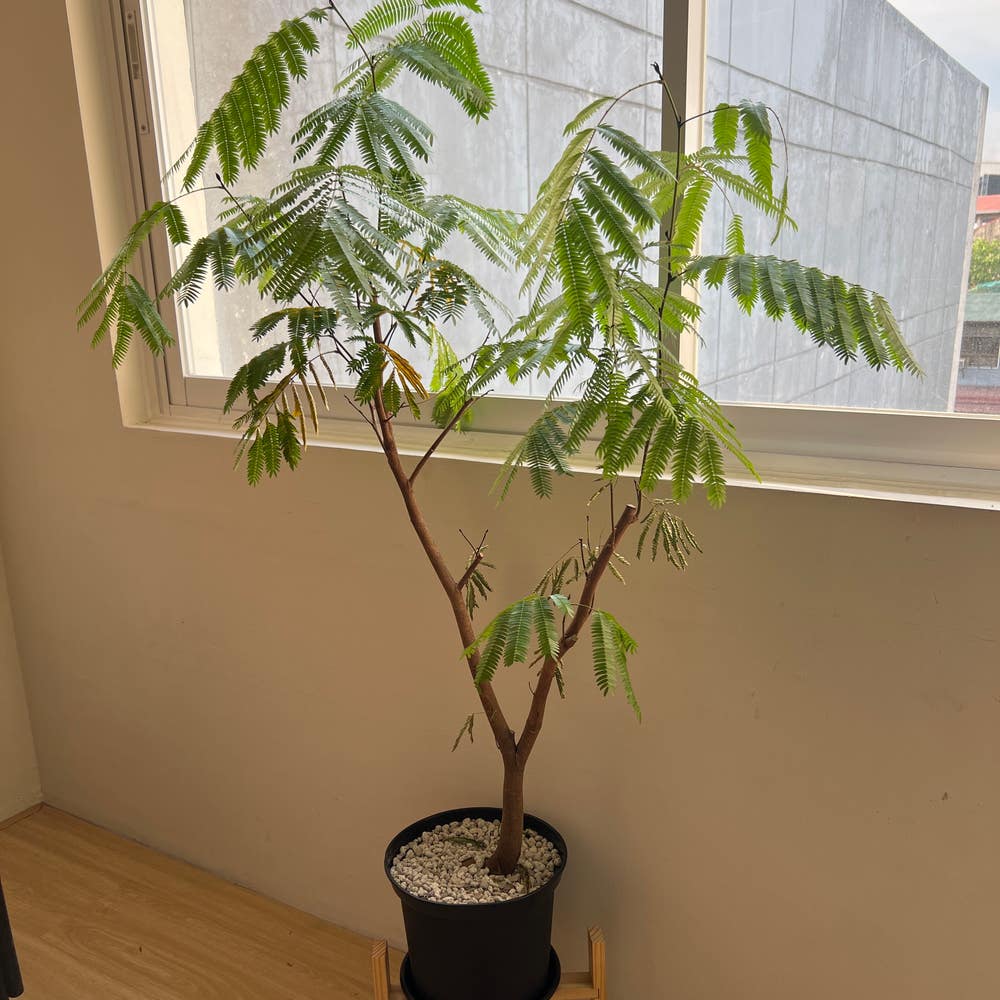
The Soap Tree is a charming small to medium-sized tree, typically showcasing a rounded canopy. It generally reaches heights of 10 to 20 feet and spreads about 10 to 15 feet wide, making it a lovely addition to any garden.
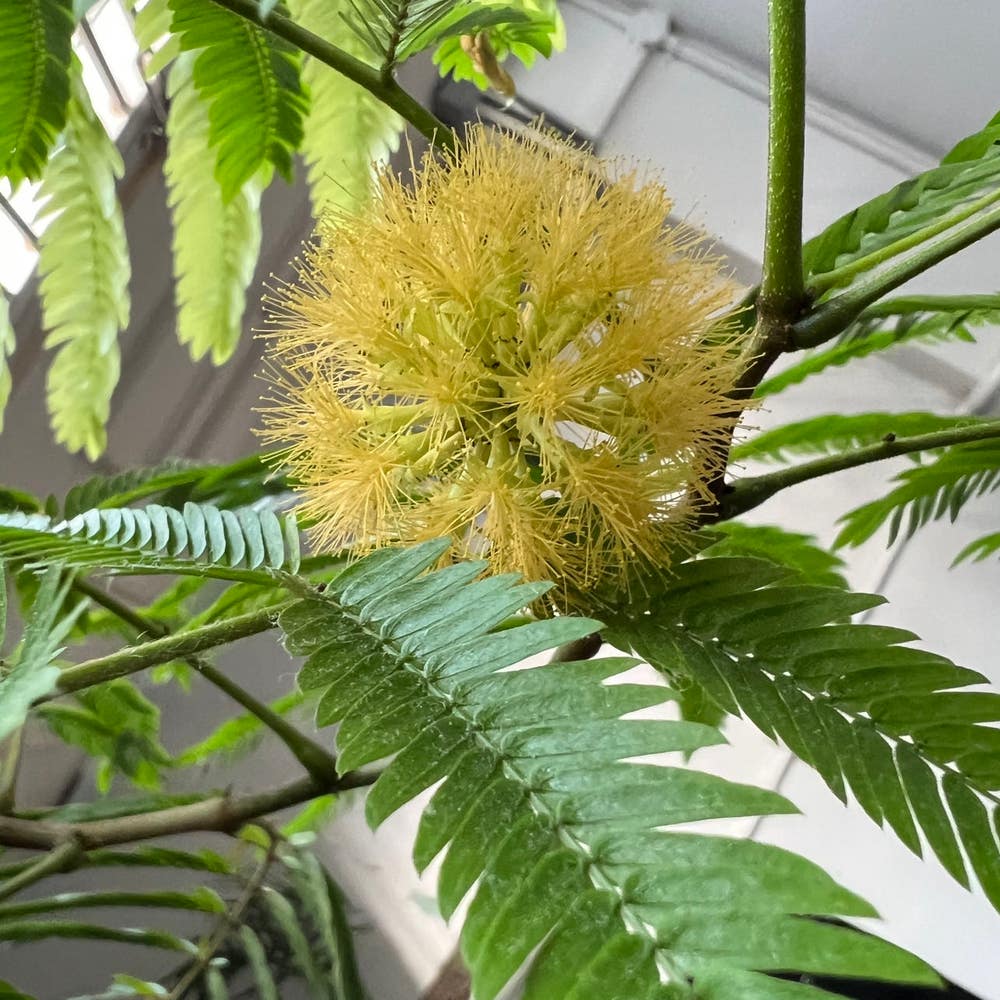
In terms of seasonal growth, the Soap Tree exhibits vibrant flowering patterns, often blooming in the warmer months. This not only enhances its aesthetic appeal but also attracts various pollinators, enriching the garden ecosystem.
🌳 Natural Limits to Growth
Several factors naturally limit the growth of the Soap Tree, contributing to its non-invasive nature. It boasts low water requirements and impressive drought tolerance, allowing it to thrive in less-than-ideal conditions.
Additionally, the Soap Tree has specific soil preferences, favoring well-drained soils while also demonstrating adaptability to different soil types. This resilience ensures it can flourish without overwhelming its surroundings, making it a sustainable choice for gardeners.
With its manageable growth habits and ecological benefits, the Soap Tree is a fantastic option for those looking to enhance their gardens responsibly. Next, we’ll explore the ecological role of the Soap Tree and its benefits within local ecosystems.
Ecological Role
🌼 Benefits in Ecosystems
The Soap Tree plays a vital role in attracting various pollinators, including bees and butterflies. These pollinators are essential for garden ecosystems, as they facilitate the reproduction of many flowering plants.
Pollinators contribute to biodiversity and help maintain healthy ecosystems. By providing a food source and habitat, the Soap Tree supports these crucial species, ensuring a thriving garden environment.
🐦 Positive Interactions with Wildlife
Beyond pollinators, the Soap Tree offers habitat for birds and small mammals. Its branches provide shelter and nesting sites, making it a valuable addition to any landscape.
Additionally, the Soap Tree fosters symbiotic relationships with other native plants. This interconnectedness enhances overall ecosystem health, promoting a balanced and diverse environment.
Incorporating the Soap Tree into your garden not only beautifies the space but also supports local wildlife and biodiversity. Its ecological benefits make it a worthy choice for any environmentally conscious gardener.
Garden Management
Incorporation into Garden Designs 🌿
Integrating Soap Tree into your garden can enhance both aesthetics and functionality. One effective strategy is placing it in xeriscaped gardens, where its low water requirements contribute to water conservation.
Additionally, Soap Tree serves beautifully as a focal point or shade provider. Its rounded canopy not only adds visual interest but also creates a comfortable space for relaxation in your outdoor area.
Growth Control Methods ✂️
To maintain the desired shape and size of your Soap Tree, proper pruning techniques are essential.
- Timing: The best time to prune is in late winter or early spring, just before new growth begins.
- Tools: Always use clean, sharp pruning shears to ensure clean cuts and minimize damage.
- Techniques: Focus on selective thinning and shaping to encourage healthy growth and maintain its natural form.
By following these guidelines, you can keep your Soap Tree thriving while enhancing your garden's overall beauty. This thoughtful management not only supports the tree's health but also contributes to a vibrant ecosystem.
As you consider these garden management strategies, think about how they can lead to a more sustainable and enjoyable outdoor space.
Legal and Environmental Considerations
🌳 Classifications and Guidelines
When considering the cultivation of Soap Tree, it's essential to be aware of local and regional guidelines. Many jurisdictions classify the Soap Tree as a non-invasive species, which means it can be planted without the fear of it overtaking local ecosystems.
These classifications often stem from the tree's limited spread and growth habits. Local regulations may encourage its use in landscaping, especially in areas where water conservation is a priority.
🌱 Role in Sustainable Gardening
Incorporating native and non-invasive plants like the Soap Tree into your garden is crucial for sustainable gardening practices. These plants not only thrive in their native environments but also support local wildlife and ecosystems.
Using Soap Tree promotes biodiversity, providing habitats for various species while enhancing the overall health of your garden. By choosing non-invasive options, you contribute to a balanced ecosystem, ensuring that your gardening efforts are both beautiful and environmentally friendly.
As you plan your garden, consider the positive impact of Soap Tree and similar plants. They offer a sustainable choice that aligns with ecological health and community guidelines, making your garden a haven for both plants and wildlife.
⚠️ Safety First
This content is for general information and may contain errors, omissions, or outdated details. It is not medical, veterinary advice, or an endorsement of therapeutic claims.
Always consult a qualified healthcare professional before using any plant as food, medicine, or supplement.
Never eat any plant (or feed one to pets) without confirming its identity with at least two trusted sources.
If you suspect poisoning, call Poison Control (800) 222-1222, the Pet Poison Helpline (800) 213-6680, or your local emergency service immediately.
Spotted an error? Please report it here.
Enhance your garden's biodiversity with the beautifully resilient Soap Tree 🌳, and let Greg guide you with tailored care tips to ensure it thrives effortlessly in your landscape!