🪲 What's Eating Your Soap Tree
Albizia saponaria
By the Greg Editorial Team
Nov 08, 2024•8 min read
This article was created with the help of AI so we can cover more plants for you. May contain errors. See one? Report it here.
Safeguard your Soap Tree 🌳 while fostering a thriving ecosystem 🌱 with these essential wildlife management tips!
- 🌳 Soap Trees grow 30-50 feet, providing shade and wildlife habitat.
- 🐾 Common herbivores like deer and rabbits threaten Soap Trees, causing significant damage.
- 🚫 Effective deterrents include repellents, fencing, and monitoring for herbivore activity.
Appearance and Appeal
🌳 Description of Soap Tree
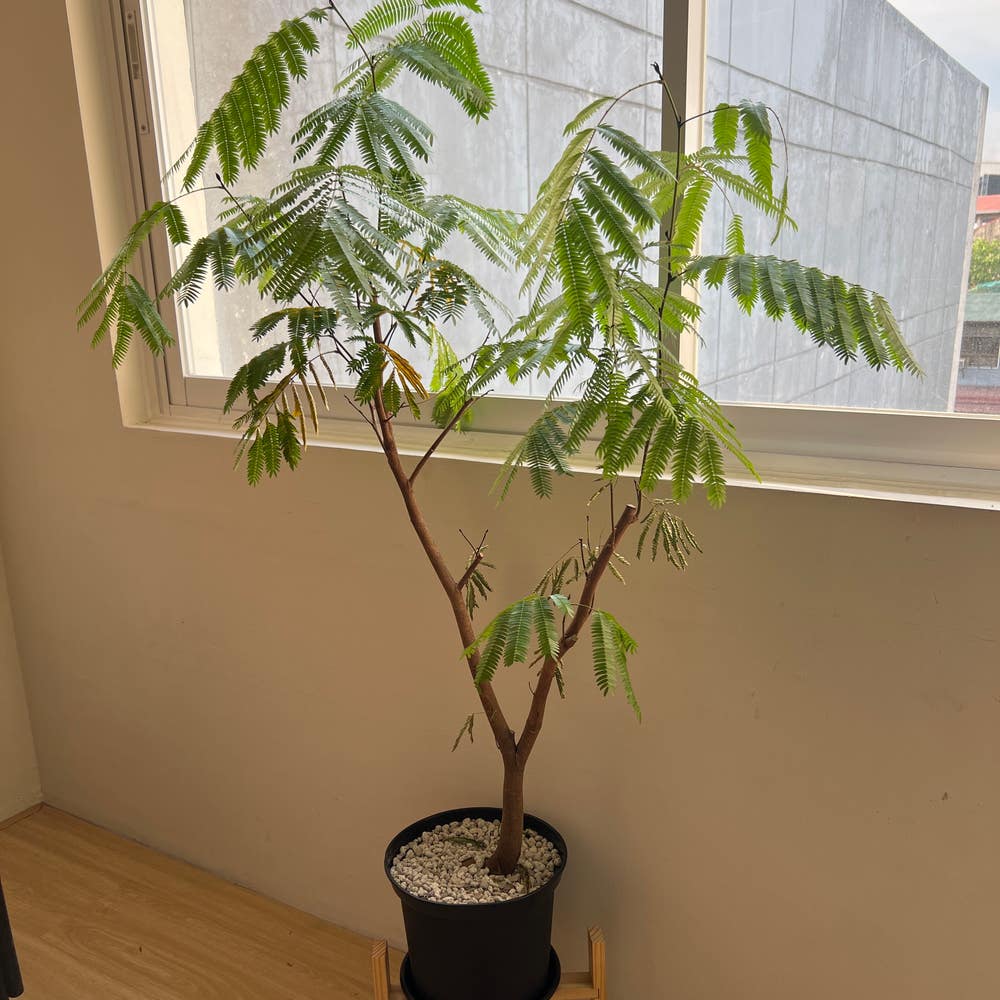
The Soap Tree is a striking presence in any landscape, typically reaching heights of 30 to 50 feet. Its broad canopy provides ample shade, making it a favorite spot for both people and wildlife.
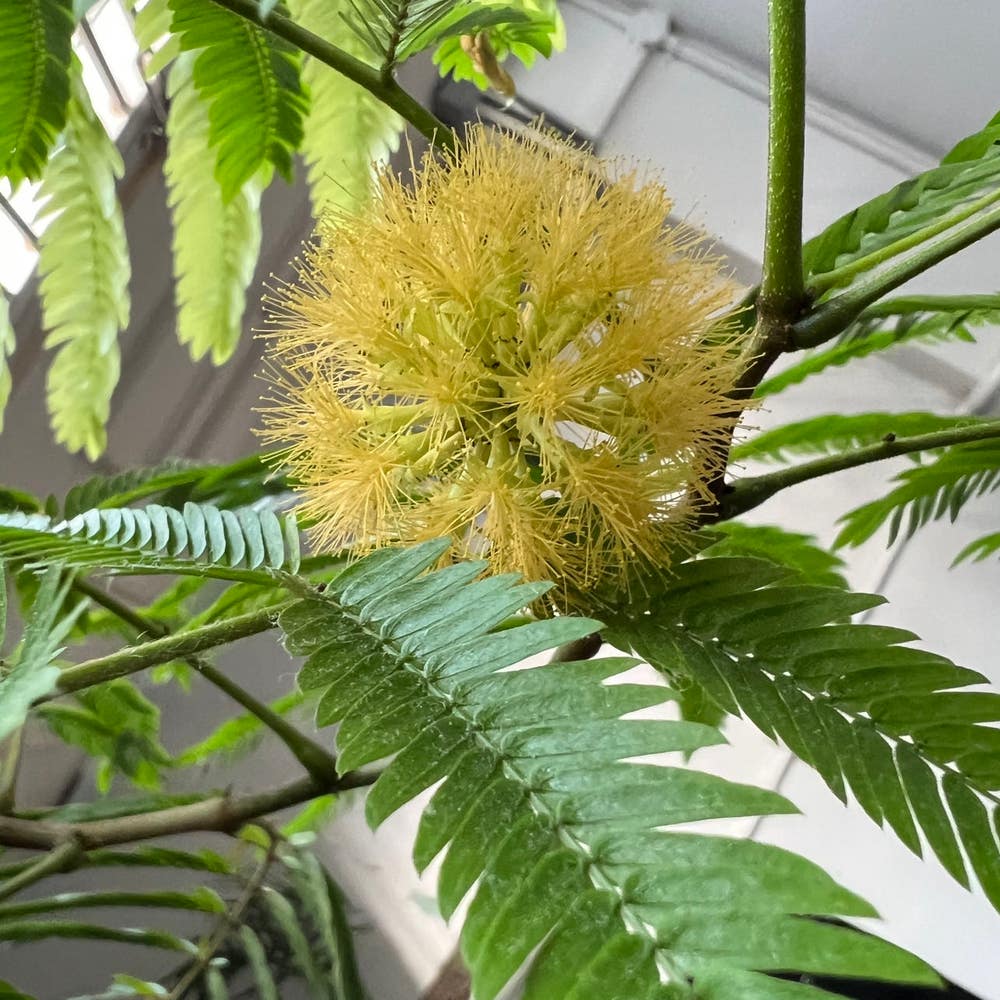
The leaves are pinnate, featuring glossy, dark green leaflets that add to the tree's visual appeal. During blooming season, small clusters of white to yellow flowers emerge, creating a charming display that attracts attention.
The fruits of the Soap Tree are round, dark brown to black berries that contain saponins. These berries are not just visually interesting; they play a significant role in the tree's interactions with wildlife.
🐾 Most Appealing Parts to Animals
The fruits are particularly enticing due to their high sugar content, drawing in various herbivores eager for a sweet snack. Young shoots are also a target; their tender and nutritious nature makes them a prime choice for feeding animals.
Additionally, the nectar-rich flowers attract a variety of pollinators and other wildlife. This combination of appealing features makes the Soap Tree a vital part of its ecosystem, supporting both herbivores and beneficial insects.
In summary, the Soap Tree's unique characteristics not only enhance its beauty but also contribute to its role in the local environment. Understanding these aspects can help in managing interactions with the diverse range of animals it attracts.
Next, we will explore the common herbivores that may pose a threat to the Soap Tree, examining their signs of presence and the damage they can cause.
Common Herbivores
🦌 Deer
Signs of presence and damage caused
Deer are often the first culprits when it comes to damage to your Soap Tree. Look for distinctive hoof prints near the base and signs of browsing, such as ragged edges on leaves and stripped bark.
Beneficial vs. harmful interactions
While deer can be a beautiful sight in nature, their impact is generally harmful. They can lead to significant defoliation and stress on the tree, which can hinder its growth.
Deterrent methods
To keep deer at bay, consider using chemical deterrents like commercial repellents with strong scents. Alternatively, you can plant deer-resistant companion plants or scatter human hair or soap shavings around the base for a more organic approach.
🐇 Rabbits
Signs of presence and damage caused
Rabbits leave behind small, round footprints and droppings near the tree. Their feeding habits result in cleanly cut stems and leaves, typically at a height they can easily reach.
Beneficial vs. harmful interactions
Rabbits are generally harmful to your Soap Tree. Their nibbling can stunt growth and significantly reduce fruit production, which is a bummer for any gardener.
Deterrent methods
To deter rabbits, apply bitter-tasting sprays on young shoots. You can also use fencing that stands 2-3 feet high or sprinkle cayenne pepper around the area to keep them away.
🐿️ Squirrels
Signs of presence and damage caused
Squirrels can be quite the nuisance, evident by chewed bark and gnawed branches. You might also notice nesting activity in the tree canopy, which can lead to further damage.
Beneficial vs. harmful interactions
While they may seem cute, squirrels are generally harmful. Their activities can cause bark damage and stress to your Soap Tree, impacting its overall health.
Deterrent methods
To manage squirrel populations, consider using commercial squirrel repellents. Installing squirrel baffles on tree trunks and placing reflective objects nearby can also help deter these furry intruders.
🐦 Birds
Signs of presence and damage caused
Birds can be both friends and foes. Look for pecking marks on fruits and flowers, as well as nesting activity in the branches, which can lead to damage.
Beneficial vs. harmful interactions
Birds are generally beneficial, aiding in pollination and seed dispersal. However, their pecking can damage fruits, creating a bit of a dilemma for gardeners.
Deterrent methods
To protect your Soap Tree from birds, use non-toxic bird repellents. Scare tactics like reflective tape or wind chimes can also be effective in keeping them at bay.
🐭 Rodents
Signs of presence and damage caused
Rodents can wreak havoc on your Soap Tree, leaving behind gnawed roots and lower stems. Look for burrows or nests near the base, which indicate their presence.
Beneficial vs. harmful interactions
Rodents are generally harmful, as they can cause root damage and weaken the tree significantly. Their activities can lead to long-term health issues for your Soap Tree.
Deterrent methods
For rodent control, consider using bait stations. Organic methods like trapping and natural repellents, such as peppermint oil, can also be effective, though they may require more effort.
🦡 Groundhogs
Signs of presence and damage caused
Groundhogs can be particularly damaging, leaving large burrows near the tree base. They often chew leaves and stems at ground level, which can severely impact young trees and saplings.
Beneficial vs. harmful interactions
Groundhogs are generally harmful to your Soap Tree. Their feeding habits can lead to significant damage, especially to younger plants.
Deterrent methods
To deter groundhogs, use commercial repellents with strong odors. Fencing that stands 3-4 feet high and planting deterrent plants like marigolds can also help keep them away.
Understanding the common herbivores that target your Soap Tree is crucial for its protection. By employing effective deterrent methods, you can maintain a healthy and thriving tree while balancing the ecosystem around it. Next, let’s explore the beneficial animals that can enhance your garden’s health.
Beneficial Animals
🐝 Pollinators: Nature's Helpers
Bees and butterflies flock to the Soap Tree, drawn by its nectar-rich flowers. These pollinators play a crucial role in the reproductive cycle of many plants, ensuring vibrant blooms and fruitful yields.
🐦 Seed Dispersers: Birds on a Mission
Birds that feast on the Soap Tree's fruits are not just indulging; they are also spreading seeds far and wide. This natural process helps propagate the tree and contributes to a diverse ecosystem.
🌱 Enhancing Biodiversity
The presence of beneficial animals enhances biodiversity in your garden. A rich variety of species promotes healthy plant growth and creates a balanced environment.
🕸️ Supporting the Food Web
By attracting predatory species, beneficial animals help maintain the food web. This dynamic interaction keeps herbivore populations in check, ensuring that your Soap Tree thrives without excessive damage.
Incorporating these beneficial animals into your garden strategy not only supports the Soap Tree but also fosters a lively and sustainable ecosystem. As you nurture these relationships, you’ll witness the beauty of nature working in harmony.
Protection Strategies
🛡️ Preventive Measures for Protecting Soap Tree
To keep your Soap Tree thriving, regular monitoring is essential. Look for signs of herbivore activity, such as unusual leaf damage or droppings, to catch potential issues early.
Implementing physical barriers can also be a game changer. Fencing or netting around the tree can deter many herbivores from getting too close.
⚠️ Reactive Solutions for Managing Animal Interactions
If you notice damage, act quickly by removing affected parts of the tree. This promotes recovery and helps prevent further harm.
Using repellents and deterrents can also be effective. Choose options that suit your gardening style, whether chemical or organic, to keep unwanted visitors at bay.
🌱 Balancing Ecosystem Health While Protecting Plants
It's important to strike a balance between protecting your Soap Tree and encouraging beneficial wildlife. While some animals may cause damage, others play crucial roles in pollination and seed dispersal.
Understanding the role of herbivores in the ecosystem is key. They can contribute to biodiversity, so managing their presence thoughtfully can lead to a healthier garden overall.
By implementing these strategies, you can enjoy the beauty of your Soap Tree while fostering a vibrant ecosystem around it.
Seasonal Considerations and Toxicity
🌱 Seasonal Variations in Animal Attraction
The Soap Tree experiences notable seasonal changes in animal interactions. During spring and early summer, herbivores are particularly active, drawn to the tender young shoots that offer a nutritious feast.
As summer progresses, the fruits ripen, attracting a variety of birds and mammals eager to indulge in the sweet berries. This seasonal rhythm can significantly impact the tree's health and the surrounding ecosystem.
☠️ Toxic Effects of Soap Tree
While the Soap Tree is appealing to many animals, it also harbors some risks. The fruits and leaves contain saponins, which can be toxic if consumed in large quantities.
This toxicity can deter certain herbivores, providing a natural defense mechanism for the tree. However, not all animals are affected equally, and some may consume the plant without adverse effects.
🐾 Implications for Animal Interactions and Garden Management
Understanding the toxicity of the Soap Tree is crucial for effective garden management. Knowing which animals might be deterred by the saponins can help in planning protective measures.
Adjusting management strategies based on animal behavior and plant health is essential. This proactive approach ensures a balanced ecosystem, allowing beneficial wildlife to thrive while managing potential threats to the Soap Tree.
As we navigate these seasonal dynamics, it's vital to remain observant and adaptable. This awareness not only supports the health of the Soap Tree but also enriches the overall garden environment.
⚠️ Safety First
This content is for general information and may contain errors, omissions, or outdated details. It is not medical, veterinary advice, or an endorsement of therapeutic claims.
Always consult a qualified healthcare professional before using any plant as food, medicine, or supplement.
Never eat any plant (or feed one to pets) without confirming its identity with at least two trusted sources.
If you suspect poisoning, call Poison Control (800) 222-1222, the Pet Poison Helpline (800) 213-6680, or your local emergency service immediately.
Spotted an error? Please report it here.
Safeguard your Soap Tree's health and beauty 🌳 with Greg's personalized care tips and reminders to keep herbivores away while ensuring it thrives!