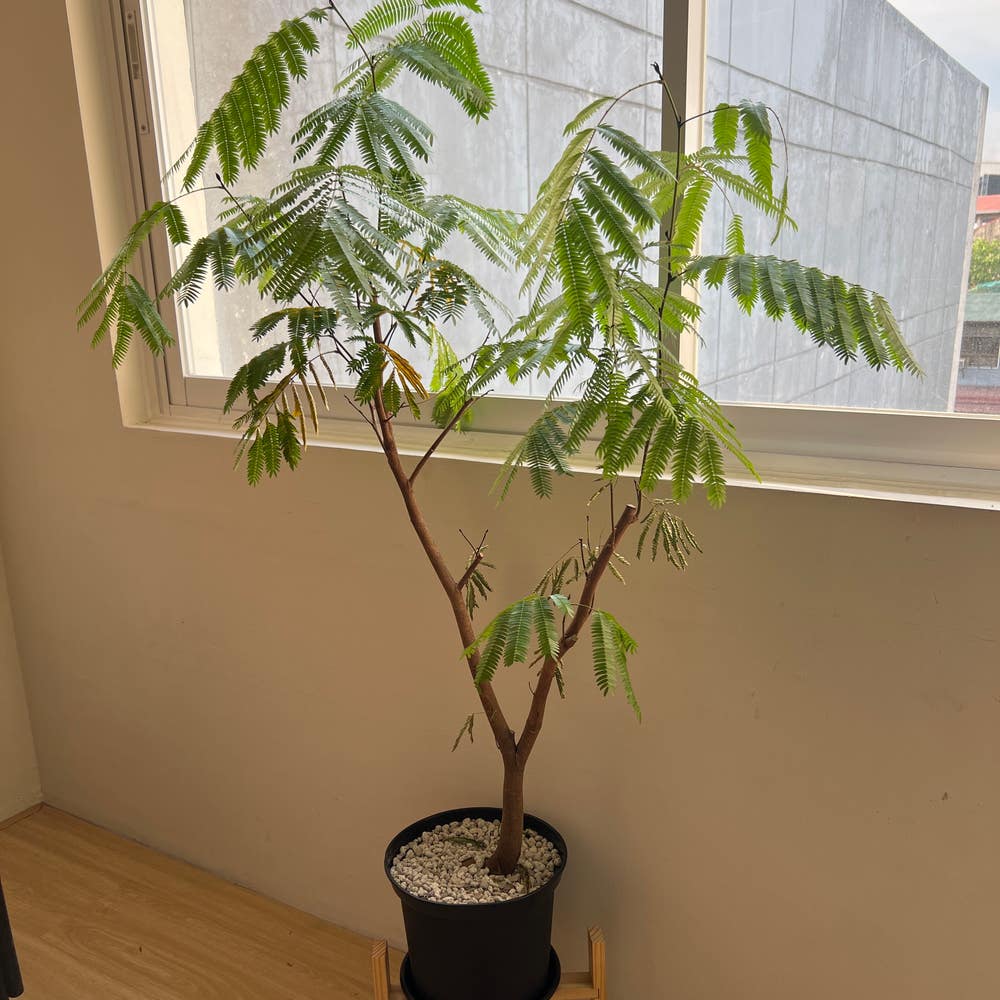
How to Determine When Your Soap Tree Needs Water 💧
Albizia saponaria
By the Greg Editorial Team
Nov 08, 2024•5 min read
This article was created with the help of AI so we can cover more plants for you. May contain errors. See one? Report it here.
Ensure your Soap Tree thrives 🌳 by mastering proper watering techniques for vibrant growth and beauty!
- 💧 Water your Soap Tree every 2-4 weeks, adjusting for temperature and humidity.
- 🌿 Yellow leaves mean over-watering, while drooping indicates under-watering.
- 📱 Use soil moisture meters or apps for precise watering guidance.
Importance of Proper Watering
🌊 Why Proper Watering Matters
Proper watering is crucial for the health of your Soap Tree. It prevents root rot and other diseases that can arise from over-saturation, ensuring your plant thrives.
Additionally, appropriate watering supports the plant's natural drought tolerance and growth patterns. This balance allows your Soap Tree to flourish, showcasing its unique beauty.
📅 Ideal Watering Frequency
A general guideline for watering your Soap Tree is every 2-4 weeks, but this can vary based on environmental conditions. Factors such as temperature, humidity, and pot size play significant roles in determining how often you should water.
Seasonal variations also affect watering frequency. Expect to increase watering during the spring and summer months while reducing it in the fall and winter. Adjusting your routine according to these changes will help keep your Soap Tree healthy and vibrant.
Recognizing Watering Issues
🚰 Signs of Over-Watering
Over-watering can be a sneaky problem for your Soap Tree. One of the first signs to look out for is yellowing leaves, which often indicates excess moisture.
If you notice wilting leaves despite the soil being wet, your plant's roots may be suffocating. In severe cases, inspect the roots for rot; dark, mushy roots are a clear sign that your plant is in trouble.
💧 Signs of Under-Watering
On the flip side, under-watering can also stress your Soap Tree. Drooping leaves are a clear signal that your plant is thirsty and needs immediate attention.
Check the soil; if it’s dry and cracked, your plant has likely experienced prolonged dryness. Severe dehydration can lead to leaf drop, so keep an eye on those leaves to ensure your plant stays healthy.
Recognizing these signs early can help you adjust your watering routine effectively, ensuring your Soap Tree thrives. Next, let’s explore some effective watering techniques to keep your plant happy and hydrated.
Watering Techniques
💧 Bottom-Watering Method
Bottom-watering is a fantastic technique for your Soap Tree. This method allows the plant to absorb moisture through its drainage holes, promoting healthy root growth.
To bottom-water effectively, follow these simple steps:
- Fill a basin with water.
- Place the Soap Tree pot in the basin for 30 minutes.
- Remove the pot and let any excess water drain out.
This approach not only ensures even moisture distribution but also minimizes the risk of over-saturation.
🌱 Self-Watering Pots and Their Benefits
Self-watering pots are a game-changer for busy plant parents. These pots are designed to maintain consistent moisture levels, making it easier to care for your Soap Tree.
The benefits of using self-watering pots include:
- Reduced frequency of watering, which is perfect for those with hectic schedules.
- Prevention of over-watering, helping to keep your plant healthy and thriving.
With self-watering pots, you can enjoy peace of mind knowing your Soap Tree is getting the right amount of moisture without the constant monitoring.
Incorporating these watering techniques can significantly enhance your plant care routine. Next, let’s explore how to measure soil moisture accurately to ensure your Soap Tree gets just what it needs.
Measuring Soil Moisture
🔧 Tools for Measuring Soil Moisture
To ensure your Soap Tree thrives, measuring soil moisture accurately is essential. Soil moisture meters are your best bet, providing precise readings that help you gauge when to water.
If you prefer a more hands-on approach, consider using wooden dowels or chopsticks. Simply insert them into the soil to check for dampness; if they come out clean, it’s time to water.
👆 How to Check Soil Moisture Levels Manually
A quick and effective way to assess moisture is by using your finger. Insert it about 1-2 inches into the soil; this gives you a good sense of the moisture level.
Pay attention to the soil's texture at the root level. If it feels dry, your plant is signaling for hydration.
📊 Interpreting Moisture Readings
Understanding when to water your Soap Tree is crucial for its health. The ideal moisture level is when the soil is dry to the touch before you reach for that watering can.
If you’re using a moisture meter, here’s how to interpret the readings:
- 1-3: Dry (water needed)
- 4-6: Moist (wait a few days)
- 7-10: Wet (do not water)
By mastering these techniques, you’ll keep your Soap Tree happy and thriving. Next, let’s explore effective watering reminders and scheduling to ensure your plant gets the care it deserves.
Watering Reminders and Scheduling
📱 Using the Greg Plant Care App for Reminders
The Greg Plant Care App is a fantastic tool for keeping your Soap Tree healthy. It allows you to set personalized reminders based on your plant's specific watering needs.
You can easily customize these reminders to adapt to seasonal changes. This way, you’ll never forget when it’s time to give your Soap Tree a drink.
📅 Setting Up a Watering Schedule Based on Plant Needs
Creating a flexible watering schedule is essential for your Soap Tree's health. Consider environmental factors like temperature and humidity when planning your routine.
Regularly monitor your plant's response to adjust the frequency as needed. This approach ensures your Soap Tree receives the right amount of water, promoting optimal growth and vitality.
By staying attentive to your plant's needs, you can foster a thriving environment for your Soap Tree. Now, let’s explore how to measure soil moisture effectively to further enhance your watering strategy.
⚠️ Safety First
This content is for general information and may contain errors, omissions, or outdated details. It is not medical, veterinary advice, or an endorsement of therapeutic claims.
Always consult a qualified healthcare professional before using any plant as food, medicine, or supplement.
Never eat any plant (or feed one to pets) without confirming its identity with at least two trusted sources.
If you suspect poisoning, call Poison Control (800) 222-1222, the Pet Poison Helpline (800) 213-6680, or your local emergency service immediately.
Spotted an error? Please report it here.
Keep your Soap Tree thriving 🌱 by adjusting your watering routine with Greg's personalized reminders and moisture monitoring tools to ensure it gets just the right amount of water!