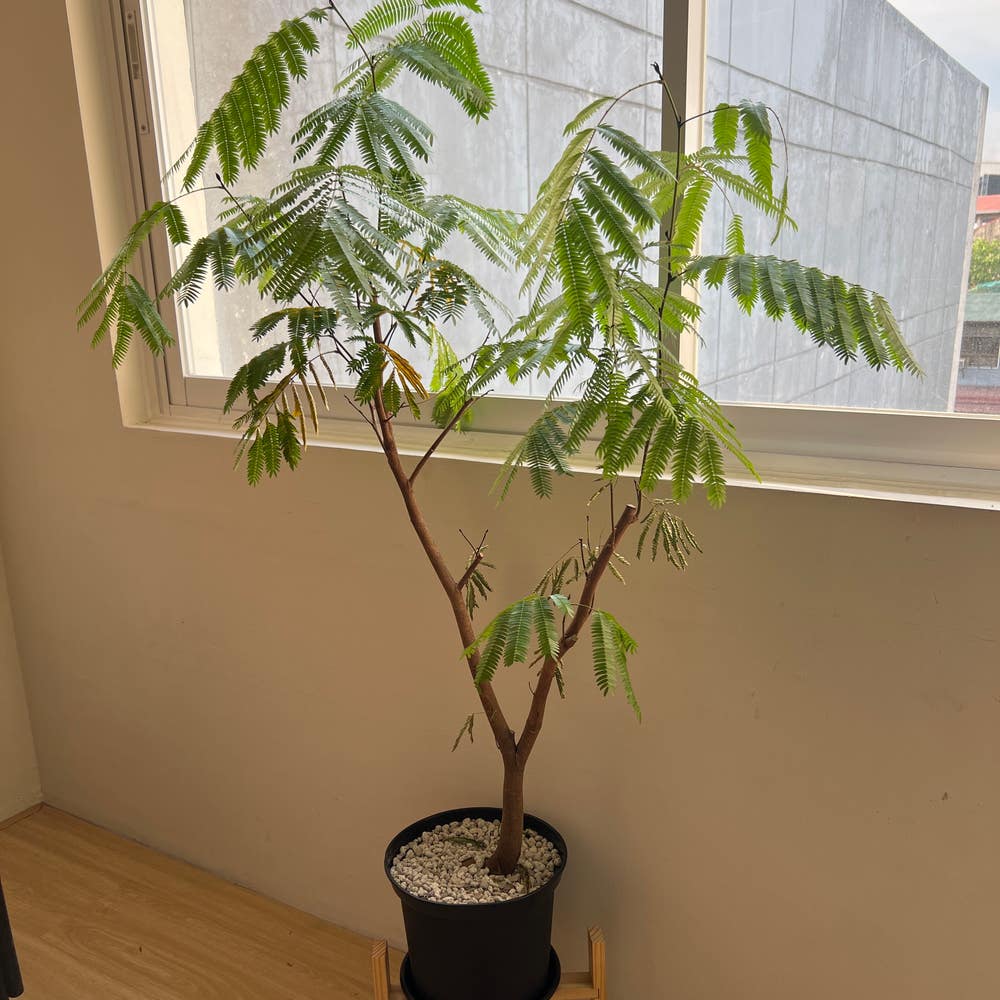
🧼 Soap Tree: A Perennial Plant
Albizia saponaria
By the Greg Editorial Team
Nov 08, 2024•6 min read
This article was created with the help of AI so we can cover more plants for you. May contain errors. See one? Report it here.
Unlock the enduring beauty of the Soap Tree 🌳, a resilient perennial that thrives with minimal care for years to come!
- 🌱 Soap Tree is a perennial, thriving for years with seasonal regrowth from roots.
- 🌞 Low-maintenance and adaptable, it flourishes in various climates without yearly replanting.
- 🌿 Proper care includes well-draining soil and regular watering during active growth phases.
Characteristics of Soap Tree as a Perennial
🌱 Multi-Year Lifecycle
The Soap Tree is a remarkable perennial that can thrive for several years, drawing strength from its established root system. Unlike annuals that complete their life cycle in one season or biennials that take two, the Soap Tree continues to grow year after year, showcasing its resilience and adaptability.
🌿 Growth Patterns and Regrowth
During the growing season, particularly in spring and summer, the Soap Tree exhibits vibrant growth phases. This seasonal activity is crucial as it allows the plant to utilize its robust root system to sprout anew each year.
The root system plays a vital role in the Soap Tree's ability to regenerate. It not only supports new growth but also enhances the plant's resilience, enabling it to bounce back from adverse conditions like drought or harsh weather.
With its multi-year lifecycle and strong regrowth capabilities, the Soap Tree stands out as a reliable choice for gardeners looking for longevity and sustainability in their plant selections. This adaptability makes it a fantastic addition to any garden, setting the stage for the next section on seasonal changes and dormancy.
Seasonal Changes and Dormancy
💤 Dormancy Periods
Soap Tree typically enters a dormancy period during winter. This is when growth slows or completely halts, allowing the plant to conserve energy.
Dormancy is crucial for the overall health of the Soap Tree. It helps in nutrient conservation and supports root health, ensuring the plant can thrive when growth resumes.
🌱 Seasonal Changes Affecting Growth
As the seasons change, so does the growth cycle of the Soap Tree. It responds dynamically to variations in temperature and light, with active growth phases occurring primarily in spring and summer.
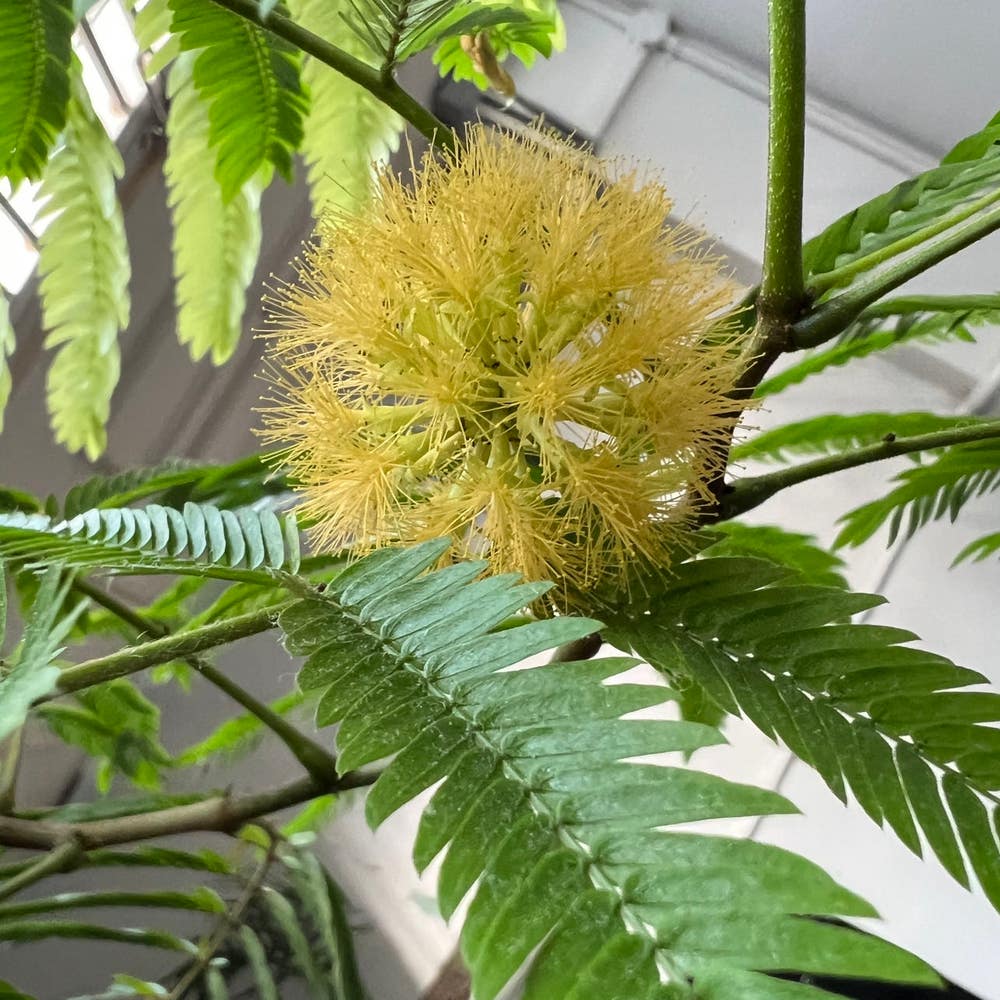
Flowering cycles are also influenced by these seasonal changes. The timing of blooming aligns with environmental conditions, leading to peak flowering periods that can be a stunning display in the garden.
Understanding these seasonal patterns is key for gardeners. By recognizing when the Soap Tree is most active, you can provide optimal care and enjoy its beauty throughout the year.
This knowledge sets the stage for exploring the advantages of the Soap Tree's perennial nature, which we'll delve into next.
Advantages of Perennial Nature
🌱 Benefits of Reduced Replanting
Once established, the Soap Tree shines in its low-maintenance glory. Unlike annuals that require replanting each year, this perennial plant saves you time and resources, allowing you to enjoy its beauty without the hassle.
This cost-effective approach means investing in a single plant that continues to thrive year after year. You can focus on nurturing your Soap Tree instead of constantly buying new plants, making it a smart choice for any gardener.
🌳 Importance of Established Root Systems
The health of the Soap Tree largely hinges on its robust root system. Established roots play a crucial role in nutrient uptake and water retention, ensuring the plant remains nourished and hydrated.
Moreover, these strong roots enhance the tree's resilience. They enable the Soap Tree to withstand drought and other environmental stresses, making it a reliable choice for diverse gardening conditions.
In summary, the perennial nature of the Soap Tree not only simplifies gardening but also promotes a sustainable and resilient landscape. As we move forward, let’s explore how to maximize these benefits in garden planning.
Lifespan and Longevity Factors
🕰️ Expected Lifespan
The Soap Tree typically enjoys a long life as a perennial, often thriving for several years, sometimes even decades. This longevity sets it apart from many other plants, making it a reliable choice for gardeners seeking lasting beauty.
When compared to other perennials, the Soap Tree holds its own. While some perennials may only last a few years, the Soap Tree's robust nature allows it to flourish longer, providing consistent value in garden settings.
🌱 Factors Influencing Longevity
Several environmental factors play a crucial role in determining the lifespan of the Soap Tree. Soil quality, for instance, significantly impacts its health; nutrient-rich, well-draining soil promotes vigorous growth.
Water availability is another key factor. Adequate moisture supports the tree's root system, which is essential for nutrient uptake. Additionally, climate conditions—such as temperature and humidity—can either enhance or hinder its longevity.
Care practices are equally important in maximizing the lifespan of the Soap Tree. Regular maintenance, including proper watering and occasional pruning, helps maintain its health and vigor. By providing attentive care, gardeners can ensure their Soap Trees thrive for many years.
In summary, understanding the factors that influence the lifespan of the Soap Tree can empower gardeners to make informed decisions. With the right conditions and care, this perennial can be a long-lasting and beautiful addition to any garden.
As we explore the variations of the Soap Tree across different climate zones, we’ll see how its adaptability further enhances its appeal.
Variations Across Climate Zones
🌍 Perennial Behavior in Different Climates
The Soap Tree exhibits remarkable adaptability across various climate zones. In tropical regions, it thrives with vigorous growth and extended blooming periods, while in temperate climates, it may enter dormancy during colder months, showcasing a more restrained growth pattern.
This adaptability means that gardeners can enjoy the beauty of the Soap Tree regardless of their location. However, understanding these differences is crucial for successful cultivation.
🌦️ Adaptations to Varying Conditions
Soap Trees adjust their growth habits based on local climate conditions. For instance, in warmer climates, they may flower earlier and more profusely, while in cooler areas, flowering can be delayed until spring.
Recognizing these adaptations helps gardeners optimize care. By monitoring local conditions, you can tailor your gardening practices to ensure your Soap Tree flourishes, whether you're in a sunny tropical paradise or a cooler temperate zone.
Understanding these variations not only enhances your gardening experience but also fosters a deeper connection with the natural world around you.
Maximizing Benefits in Garden Planning
Tips for Long-Term Cultivation 🌱
To ensure your Soap Tree thrives, start with proper soil preparation. Aim for well-draining soil enriched with organic matter to support healthy growth.
Establish a consistent watering schedule, especially during the active growth phases in spring and summer. Regular watering helps maintain moisture levels, but be cautious not to overwater, as this can lead to root rot.
Monitoring growth patterns is crucial for optimizing care. Keep an eye on seasonal changes, as they directly influence the plant's health and flowering cycles.
Strategies for Integrating into Garden Design 🌼
Companion planting can enhance the growth of your Soap Tree. Consider pairing it with plants that share similar water and light requirements, such as lavender or rosemary, to create a harmonious garden environment.
When positioning your Soap Tree, think about its mature size and growth habits. Place it in a location where it can receive ample sunlight while allowing enough space for its roots to expand, ensuring both aesthetic appeal and optimal growth.
By following these tips and strategies, you can maximize the benefits of your Soap Tree and create a flourishing garden that brings joy for years to come.
⚠️ Safety First
This content is for general information and may contain errors, omissions, or outdated details. It is not medical, veterinary advice, or an endorsement of therapeutic claims.
Always consult a qualified healthcare professional before using any plant as food, medicine, or supplement.
Never eat any plant (or feed one to pets) without confirming its identity with at least two trusted sources.
If you suspect poisoning, call Poison Control (800) 222-1222, the Pet Poison Helpline (800) 213-6680, or your local emergency service immediately.
Spotted an error? Please report it here.
Keep your Soap Tree thriving with Greg's tailored care tips 🌱 that help you navigate its seasonal needs for a stunning garden all year long!