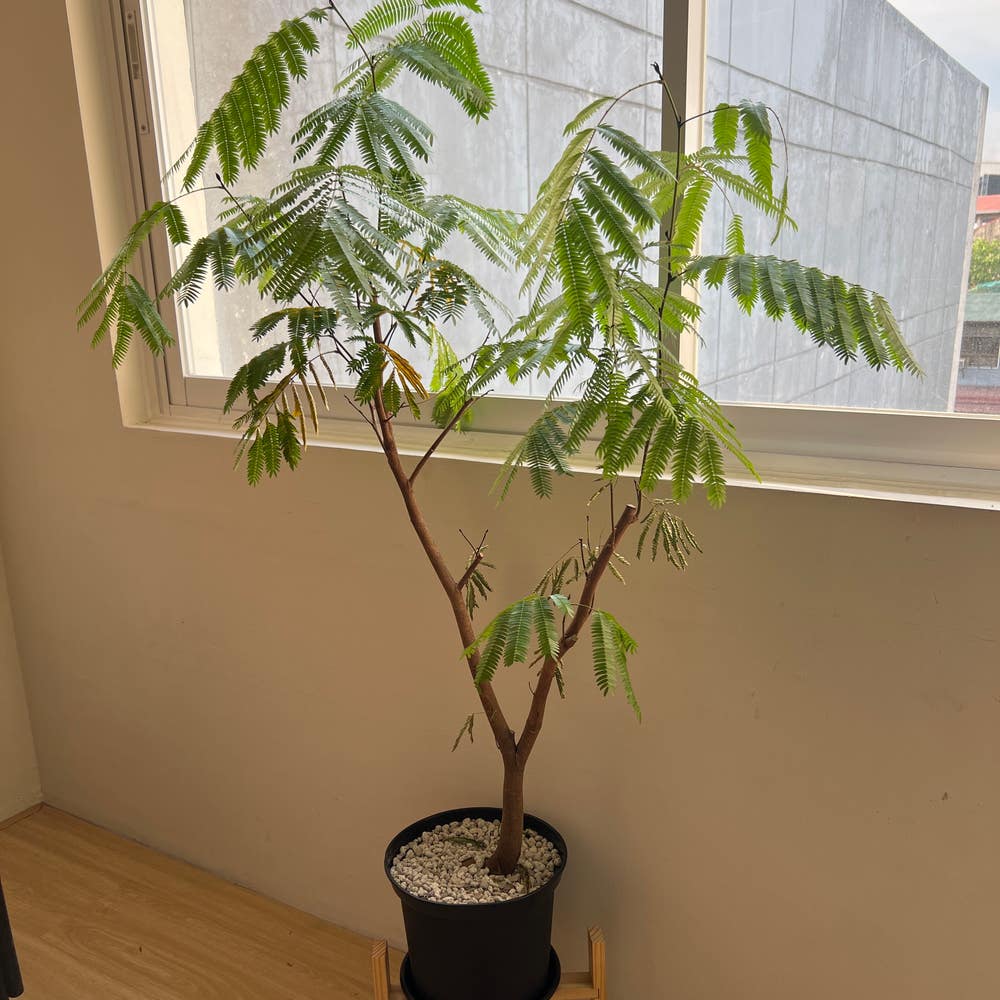
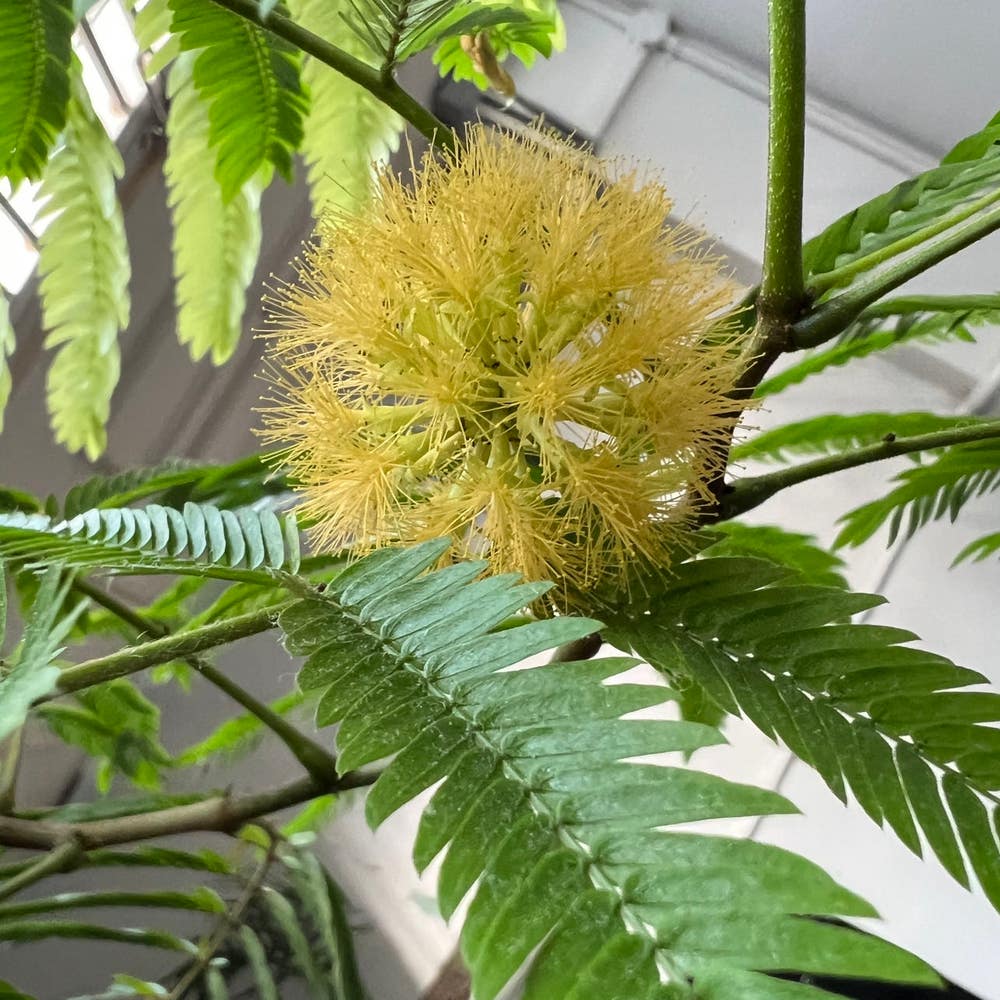
💧 How to Recognize and Treat Root Rot in Your Soap Tree
Albizia saponaria
By the Greg Editorial Team
Nov 08, 2024•5 min read
This article was created with the help of AI so we can cover more plants for you. May contain errors. See one? Report it here.
Rescue your Soap Tree from root rot with these vital diagnosis and recovery tips! 🌱🛠️
- 🌱 Wilting leaves and yellowing foliage are early signs of root rot in Soap Trees.
- 🕵️♂️ Inspect roots regularly for discoloration; healthy roots should be white and firm.
- 🌿 Prevent root rot by using well-draining soil and maintaining proper watering routines.
Symptoms of Root Rot
Recognizing Symptoms 🌱
Root rot can be a sneaky issue for your Soap Tree. One of the first signs to look for is wilting leaves; even if you’re watering adequately, the leaves may droop and appear lifeless.
Another telltale sign is yellowing foliage. If you notice leaves turning yellow and dropping prematurely, it’s a clear indication that something is wrong. Additionally, check the root discoloration; healthy roots should be white, while rotting roots will look brown or black and feel mushy.
Signs of Root Rot 🚨
Keep an eye out for a foul odor coming from the soil. A strong, unpleasant smell is a sure sign of decay and should not be ignored.
You might also observe stunted growth. If your Soap Tree shows little to no new growth or development, it’s time to investigate further. These symptoms can signal that root rot is taking hold, and prompt action is essential for recovery.
Understanding these symptoms is crucial for early detection. The sooner you recognize the signs, the better chance your Soap Tree has for a healthy recovery.
Diagnosing Root Rot: How to Check Your Soap Tree
Diagnosing root rot in your Soap Tree is crucial for its recovery. Follow these simple steps to assess the health of your plant effectively.
Step 1: Inspect the Soil Moisture Levels 🌧️
Start by checking the moisture levels in the soil. Use a moisture meter or a simple stick to probe the soil, ensuring it’s not overly saturated.
Step 2: Examine the Roots 🧐
Next, gently remove the plant from its pot. Carefully inspect the root system for any signs of discoloration or unusual texture, such as brown or mushy roots.
Step 3: Assess the Overall Health 🌿
Finally, take a good look at the foliage. Look for symptoms like wilting or yellowing leaves, which can indicate distress and further confirm the presence of root rot.
By following these steps, you can accurately diagnose root rot and take the necessary actions to save your Soap Tree. This proactive approach will set the stage for effective treatment and recovery.
Treatment of Root Rot
Dealing with root rot can be daunting, but with the right approach, your Soap Tree can bounce back. Here’s a straightforward guide to treating this pesky issue.
Step-by-Step Guide 🌱
Remove the plant from its pot: Gently take the Soap Tree out of its pot and clean the roots to remove excess soil.
Trim away damaged roots: Use sterilized scissors to cut away any black or mushy roots. This helps prevent further decay.
Dry the healthy roots: Allow the remaining healthy roots to dry for a few hours. This step is crucial for reducing moisture before replanting.
Prepare a new pot: Choose a fresh, well-draining potting mix. This will provide a healthier environment for your plant.
Replant the Soap Tree: Place the tree back in the pot, ensuring the roots are spread out and not crowded. This promotes better growth.
Recommended Products 🛒
To enhance recovery, consider using specific products:
Fungicides: Look for those containing active ingredients like copper sulfate or azoxystrobin. These can help combat any lingering fungal issues.
Soil amendments: Incorporate perlite or sand into your potting mix. This improves drainage and prevents future root rot.
Repotting Techniques 🔄
Timing and pot selection are key to successful repotting:
Timing: Aim to repot during the growing season. This is when your Soap Tree is most likely to recover quickly.
Pot selection: Choose a pot with drainage holes and one that allows for root expansion. A well-sized pot can make all the difference in your plant's health.
By following these steps, you can effectively treat root rot and give your Soap Tree a fighting chance. Next, let’s explore how to prevent root rot from occurring in the first place.
Prevention of Root Rot
🌊 Best Practices for Watering
To prevent root rot in your Soap Tree, establish a solid watering routine. Allow the top 2-3 inches of soil to dry out between waterings to avoid excess moisture.
When you do water, aim for a deep soak but do it infrequently. This encourages the roots to grow deeper, making your plant more resilient.
🕳️ Importance of Soil Drainage and Aeration
Soil drainage is crucial for healthy roots. Use a potting mix that includes sand, perlite, or pumice to ensure optimal drainage.
Additionally, aeration techniques can help prevent soil compaction. Regularly aerate the soil to keep it loose and breathable, allowing roots to thrive.
🌱 Choosing the Right Potting Mix
Selecting the right potting mix is vital for your Soap Tree's health. A blend of cactus mix or succulent soil with added perlite works wonders.
Avoid heavy soils that retain too much moisture. These can suffocate roots and lead to rot, so choose wisely to keep your plant thriving.
By following these preventive measures, you can significantly reduce the risk of root rot and ensure your Soap Tree remains healthy and vibrant. Next, let’s explore how to monitor and maintain your plant for long-term success.
Monitoring and Maintenance
Regular Checks for Root Health 🌱
To keep your Soap Tree thriving, inspect its roots every 4-6 weeks during the growing season. Look for firm, white roots and vibrant foliage as indicators of good health.
Signs of Recovery 🌿
If your plant is bouncing back, you’ll notice new growth, such as fresh leaves or shoots. Healthy roots should feel firm and maintain their white color, signaling that recovery is underway.
Long-Term Care Strategies 🛠️
Establish consistent watering practices to prevent overwatering, which is a common culprit of root rot. Additionally, ensure your plant receives adequate light and airflow to reduce humidity levels, creating a healthier environment.
By staying vigilant and proactive, you can help your Soap Tree flourish and avoid the pitfalls of root rot. With the right care, your plant can thrive beautifully, setting the stage for a seamless transition into the next topic on prevention strategies.
⚠️ Safety First
This content is for general information and may contain errors, omissions, or outdated details. It is not medical, veterinary advice, or an endorsement of therapeutic claims.
Always consult a qualified healthcare professional before using any plant as food, medicine, or supplement.
Never eat any plant (or feed one to pets) without confirming its identity with at least two trusted sources.
If you suspect poisoning, call Poison Control (800) 222-1222, the Pet Poison Helpline (800) 213-6680, or your local emergency service immediately.
Spotted an error? Please report it here.
Recognize root rot early and take action to save your Soap Tree, as Greg's custom watering alerts and soil moisture checks will help you keep your plant thriving! 🌿