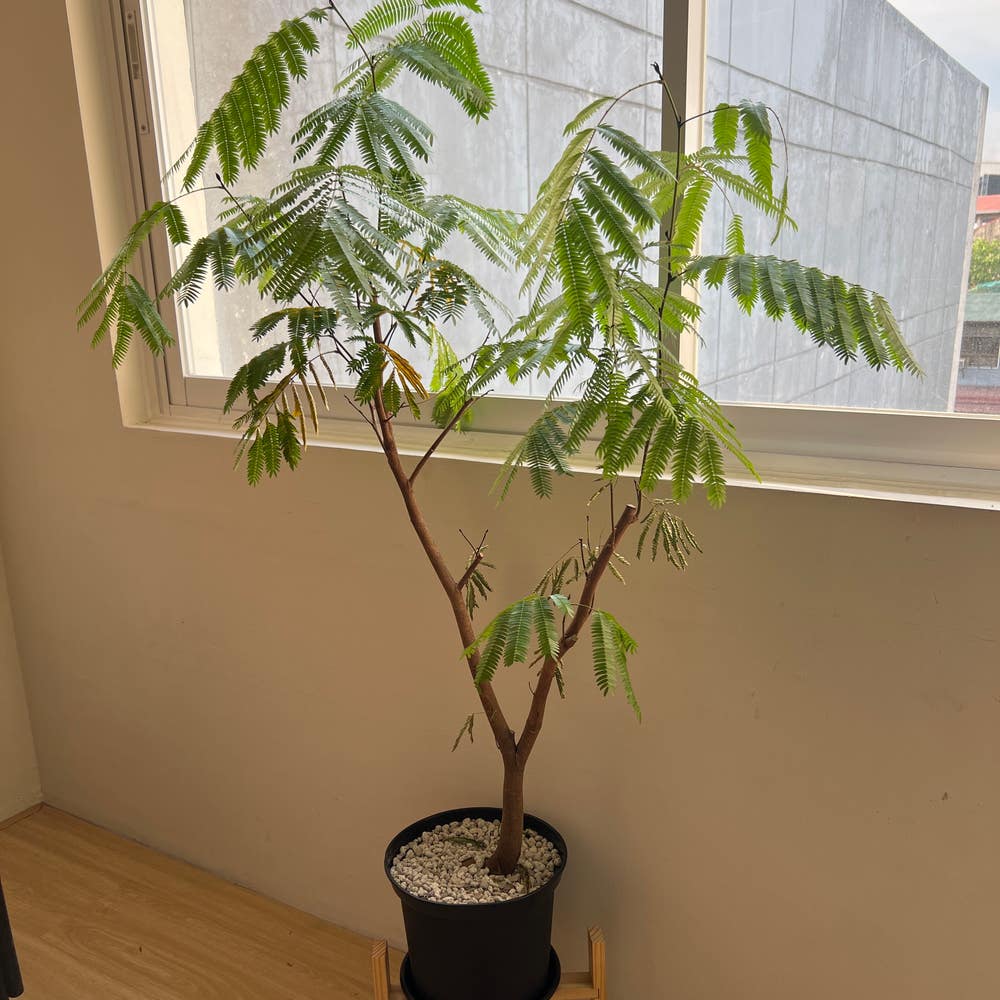
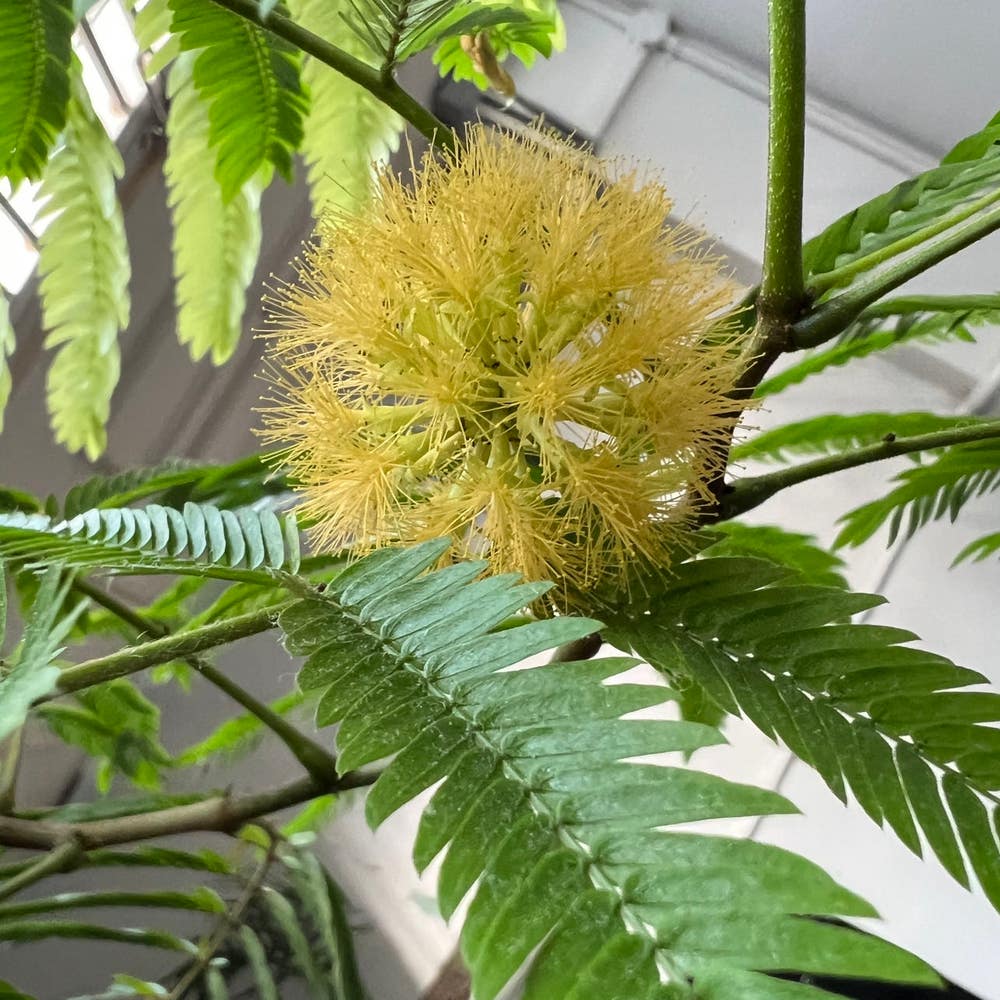
🌡 Ultimate Guide to Temperature for Soap Tree
Albizia saponaria
By the Greg Editorial Team
Nov 08, 2024•5 min read
This article was created with the help of AI so we can cover more plants for you. May contain errors. See one? Report it here.
Unlock your soap tree's full potential 🌳 by mastering its temperature needs and stress signs for vibrant growth!
- 🌡️ Optimal growth temperature for soap trees is 20°C to 30°C (68°F to 86°F).
- ❄️ Avoid frost damage by protecting soap trees from temperatures below 0°C (32°F).
- 🌞 Manage temperature stress with mulching and deep watering for healthier soap trees.
Temperature Requirements for Soap Tree
Optimal Temperature Range for Growth 🌡️
The soap tree thrives in an ideal temperature range of 20°C to 30°C (68°F to 86°F). Within this sweet spot, the plant exhibits robust growth, showcasing vibrant foliage and abundant flowering.
Soil temperature plays a crucial role in overall health. For optimal root development, soil temperatures should ideally align with air temperatures, ensuring the plant receives the best possible conditions for growth.
Effects of Temperature Extremes on Growth 🔥
When temperatures soar above 35°C (95°F), the soap tree can experience significant growth inhibition. This extreme heat may lead to leaf scorch and wilting, which can compromise the plant's vitality.
Conversely, exposure to temperatures below 0°C (32°F) can result in frost damage. Symptoms of cold stress include blackened leaf edges and stunted growth, signaling that the plant is struggling to cope with the chill.
Understanding these temperature requirements is essential for nurturing a healthy soap tree. By maintaining optimal conditions and being aware of the effects of temperature extremes, you can ensure your plant flourishes beautifully.
Next, we will explore the signs of temperature stress in soap trees and how to identify them effectively.
Temperature Stress in Soap Tree
🌡️ Signs of Temperature Stress
Temperature stress can manifest in various ways, and recognizing these symptoms early is crucial for the health of your Soap Tree.
Symptoms of Heat Stress
When temperatures soar, your Soap Tree may exhibit wilting leaves and even drop them. You might also notice leaf discoloration, especially browning at the tips, signaling that the plant is struggling to cope with the heat.
Symptoms of Cold Stress
Conversely, cold stress can lead to blackened or mushy leaves. Stunted growth and poor overall vigor are also telltale signs that your Soap Tree is not thriving in low temperatures.
🔍 Causes of Temperature Stress
Understanding the causes of temperature stress is essential for effective management.
Sudden Temperature Fluctuations
Rapid changes in temperature can shock your plant, making it difficult for the Soap Tree to adapt. This stress can lead to a range of health issues if not addressed promptly.
Prolonged Exposure to Extremes
Extended periods above 35°C (95°F) or below 0°C (32°F) can severely impact your Soap Tree's health. These extremes can hinder growth and lead to irreversible damage.
Poor Soil Conditions
Inadequate soil moisture retention can exacerbate temperature stress. If the soil is too dry or too wet, it can prevent the roots from functioning optimally, further stressing the plant.
By keeping an eye on these signs and causes, you can take proactive steps to ensure your Soap Tree remains healthy and vibrant. Next, we’ll explore how to prepare your Soap Tree for seasonal temperature shifts, ensuring it thrives throughout the year.
Seasonal Temperature Considerations
🌡️ Preparing Soap Tree for Seasonal Temperature Shifts
As the seasons change, your Soap Tree needs a little extra care to thrive. Preparing for winter and summer can make all the difference in keeping your plant healthy.
Pre-Winter Preparations
Mulching is a fantastic way to insulate the roots against the cold. A thick layer of mulch helps maintain soil temperature and moisture, protecting your Soap Tree during harsh winter months.
Pruning is another essential step. By trimming back excess growth, you reduce stress on the plant during its dormant phase. This not only helps the tree conserve energy but also encourages healthier growth come spring.
Pre-Summer Preparations
Before the heat peaks, ensure your Soap Tree is adequately watered. Deep watering helps the roots absorb moisture, preparing them for the dry, hot days ahead.
Applying mulch again is beneficial during summer. It retains soil moisture and keeps the roots cool, preventing heat stress. This simple step can significantly enhance your tree's resilience against high temperatures.
By taking these seasonal preparations seriously, you set your Soap Tree up for success. With a little effort, you can ensure it thrives through the changing temperatures, ready to flourish in any season.
Next, let’s explore how geographic and environmental factors can further influence the temperature needs of your Soap Tree.
Geographic and Environmental Factors
How Geographic Location Affects Temperature Needs 🌍
Soap Trees are fascinating in how they adapt to their surroundings. In hotter climates, these resilient trees often develop thicker bark, providing essential protection against intense heat.
Urban environments present unique challenges. Urban heat islands can elevate local temperatures, affecting how Soap Trees thrive compared to their rural counterparts. This difference can lead to variations in growth patterns and overall health.
Understanding these geographic influences is crucial for successful cultivation. By recognizing how location impacts temperature needs, you can better care for your Soap Tree, ensuring it flourishes in its specific environment.
As we explore temperature management techniques next, consider how these strategies can further enhance your Soap Tree's resilience against its surroundings.
Temperature Management Techniques
Maintaining the right temperature for your Soap Tree is essential for its health and growth. Here are some effective strategies to ensure your plant thrives in both indoor and outdoor settings.
Indoor Care 🌡️
To create a stable environment indoors, consider using thermostats and heaters. These tools help maintain a consistent temperature, preventing sudden fluctuations that can stress your plant.
Additionally, place your Soap Tree near windows to take advantage of natural light. However, be cautious of direct drafts, as they can lead to temperature extremes that your plant won't appreciate.
Outdoor Care ☀️
When it comes to outdoor care, shade cloths are a game changer during peak summer heat. They provide necessary protection from intense sunlight, helping to keep your Soap Tree cool and hydrated.
In winter, consider using windbreaks to shield your plant from cold winds. This simple measure can significantly reduce the risk of frost damage and help maintain a stable temperature around your Soap Tree.
By implementing these temperature management techniques, you can create an ideal environment for your Soap Tree to flourish. Next, let's explore how geographic and environmental factors influence temperature needs.
⚠️ Safety First
This content is for general information and may contain errors, omissions, or outdated details. It is not medical, veterinary advice, or an endorsement of therapeutic claims.
Always consult a qualified healthcare professional before using any plant as food, medicine, or supplement.
Never eat any plant (or feed one to pets) without confirming its identity with at least two trusted sources.
If you suspect poisoning, call Poison Control (800) 222-1222, the Pet Poison Helpline (800) 213-6680, or your local emergency service immediately.
Spotted an error? Please report it here.
Keep your soap tree thriving by mastering its temperature needs with Greg's tailored reminders and tips for optimal growth! 🌡️