🌸 Top 9 Signs Your Soap Tree Needs Pollination
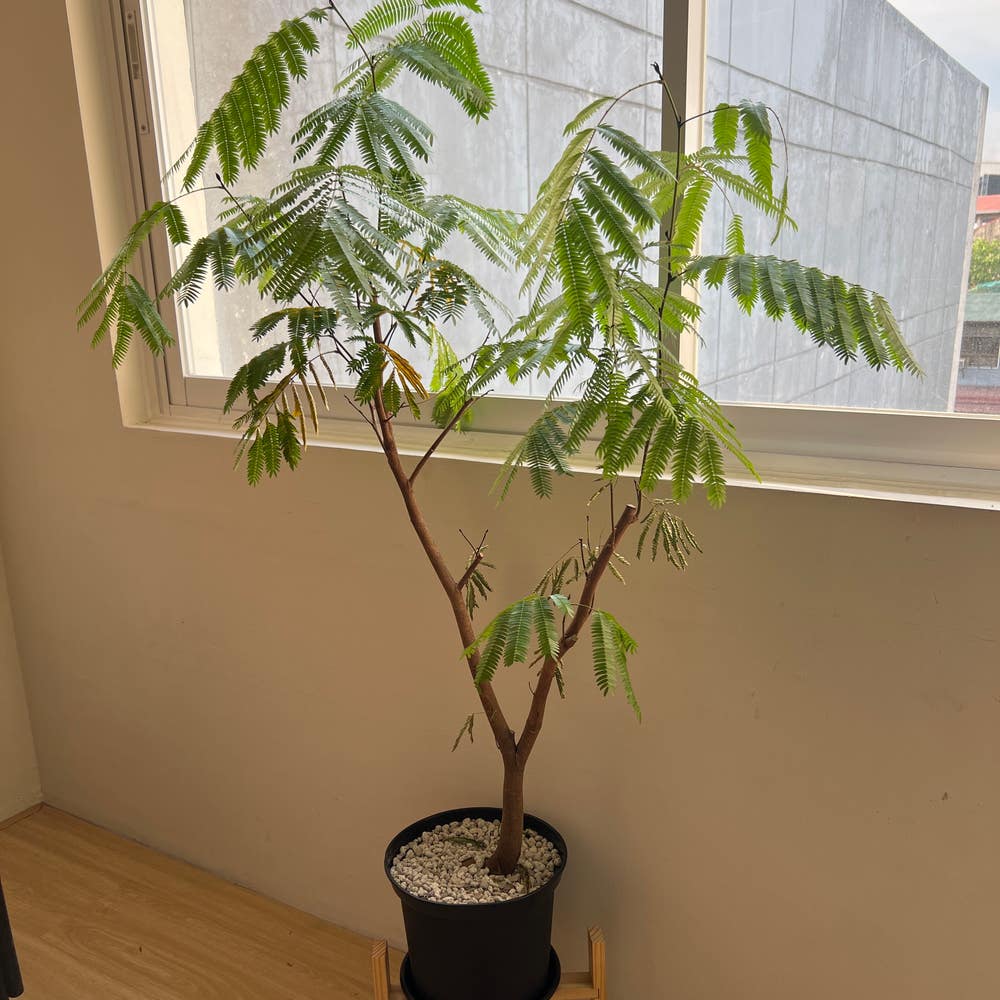
Albizia saponaria
By the Greg Editorial Team
Nov 08, 2024•6 min read
This article was created with the help of AI so we can cover more plants for you. May contain errors. See one? Report it here.
Uncover the Soap Tree's vibrant flowers 🌸 and their vital role in supporting pollinators and enriching ecosystems!
- 🌼 Soap Trees attract bees, butterflies, and hummingbirds for effective pollination.
- 🌱 Cross-pollination boosts genetic diversity, ensuring healthier Soap Tree offspring.
- 🌍 Protecting pollinators is vital for the Soap Tree's survival and ecosystem health.
Flower Structure
🌸 Description of Flower Anatomy
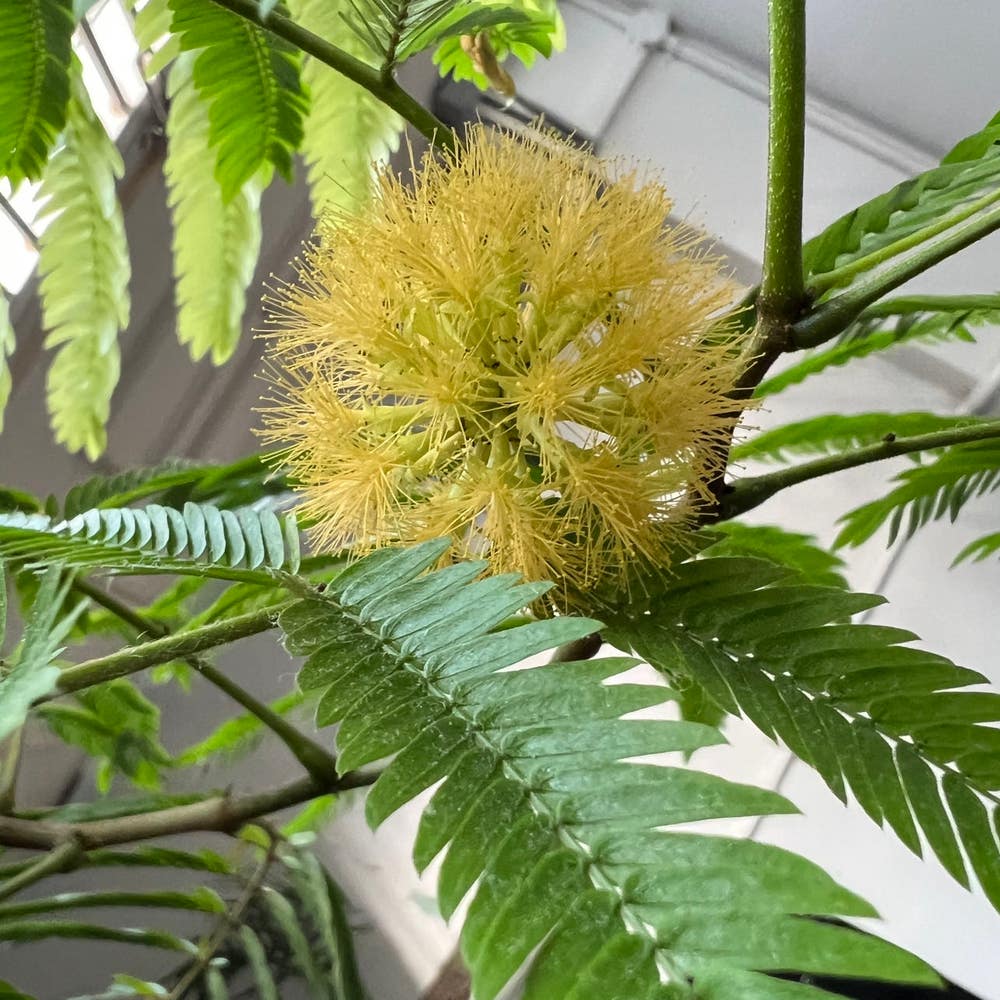
The Soap Tree boasts tubular and brightly colored flowers that are hard to miss. These vibrant blooms come in various shades, including yellow, orange, and red, creating a stunning visual display.
Flowers typically grow in clusters, which enhances their visibility to pollinators. This arrangement not only attracts attention but also maximizes the chances of successful pollination.
🐝 Role in Pollination
The bright colors and tubular shape of Soap Tree flowers are specifically designed to attract certain pollinator species. These adaptations ensure that the flowers are not just beautiful but also functional in their role within the ecosystem.
Flower anatomy plays a crucial role in pollen transfer, supporting both self-pollination and cross-pollination. This dual capability enhances the reproductive success of the Soap Tree, allowing it to thrive in various environments.
Understanding the structure and role of these flowers is essential for appreciating how they contribute to the overall health of their ecosystem. As we delve deeper into the pollination process, we'll explore how these flowers interact with their pollinators.
Pollination Process
🌱 Self-Pollination (if applicable)
The Soap Tree has a fascinating ability to self-pollinate, meaning it can fertilize its own flowers without needing another plant. This self-sufficiency is crucial, especially in environments where pollinators might be scarce.
However, relying solely on self-pollination limits genetic diversity. Cross-pollination, where pollen is transferred between different plants, enhances fruit and seed production, leading to healthier and more resilient offspring.
🐝 Cross-Pollination
Cross-pollination is vital for the Soap Tree's reproductive success. Several primary pollinators play a key role in this process:
- Bees: These busy insects are essential for transferring pollen from one flower to another, ensuring genetic mixing.
- Butterflies: Attracted by the Soap Tree's bright colors and sweet nectar, butterflies contribute to pollination while feeding.
- Moths: Active at night, moths help pollinate flowers that bloom after sunset, expanding the tree's pollination window.
- Hummingbirds: Their affinity for tubular flowers makes them perfect pollinators for the Soap Tree, as they reach deep into the blooms for nectar.
The Soap Tree employs various attraction mechanisms to lure these pollinators. Its vibrant colors and delightful scents create an irresistible invitation, while the availability of nectar ensures that pollinators keep returning. This symbiotic relationship not only supports the Soap Tree's growth but also fosters a thriving ecosystem.
As we explore the next section, we'll delve into the natural mechanisms of pollen transfer and the importance of effective pollination for the Soap Tree's survival.
Natural Pollination
🌬️ Pollen Transfer Mechanisms
Natural pollination relies on various mechanisms to transfer pollen effectively. Wind plays a crucial role, especially for plants with lightweight pollen that can be easily carried over distances.
Insect activity is another vital component. Bees, butterflies, and other insects visit flowers seeking nectar, inadvertently transferring pollen from one bloom to another. This interaction is essential for the reproductive success of many plants, including the Soap Tree.
🌼 Importance of Pollination
Effective pollination is key to the reproductive success of the Soap Tree. When pollination occurs, it leads to the development of fruit and seeds, ensuring the continuation of the species.
Moreover, cross-pollination enhances genetic diversity within Soap Tree populations. This genetic variation is crucial for resilience against diseases and environmental changes, ultimately supporting a healthier ecosystem.
Understanding these processes highlights the importance of protecting pollinators and their habitats. By fostering a supportive environment, we can ensure the ongoing success of these beautiful trees and the vital role they play in our ecosystem.
As we explore further, let’s look at how we can support pollinators in our own gardens.
Hand Pollination Techniques
Hand pollination can be a rewarding way to ensure your Soap Tree thrives. Here’s a straightforward guide to help you through the process.
Step 1: Identifying Male and Female Flower Parts 🌸
Understanding flower anatomy is crucial. The male parts, known as stamens, consist of anthers and filaments, while the female parts include the pistils, which are made up of the stigma, style, and ovary.
Step 2: Collecting Pollen 🌼
Once you’ve identified the male flowers, it’s time to collect pollen. Gently remove the pollen from the anthers using a small brush or your fingertip to avoid damaging the flower.
Step 3: Transferring Pollen 🐝
Next, transfer the collected pollen to the stigma of the female flowers. You can use the same brush or your finger to apply the pollen directly, ensuring good contact for fertilization.
Step 4: Timing for Successful Fertilization ⏰
Timing is everything in hand pollination. Aim to perform this task during the early morning or late afternoon when flowers are most receptive and temperatures are moderate.
By following these steps, you can enhance the chances of successful fertilization in your Soap Tree. This hands-on approach not only boosts fruit and seed production but also deepens your connection with nature.
Ready to explore how to support pollinators in your garden? Let’s dive into creating a pollinator-friendly environment!
Supporting Pollinators
🌼 Creating a Pollinator-Friendly Environment
To support pollinators, start by enhancing their habitat. Incorporate native plants that thrive in your area, as they provide essential food and shelter.
Water sources are also crucial. A small birdbath or shallow dish can offer hydration for thirsty pollinators.
Avoiding pesticides is vital for protecting pollinator health. Chemicals can harm beneficial insects, so opt for organic gardening methods whenever possible.
🌱 Companion Plants
Companion planting can significantly boost pollinator activity in your garden. Here are some excellent choices:
- Lavender: This fragrant herb attracts bees and butterflies, making it a favorite among pollinators.
- Marigolds: Not only do they repel pests, but they also draw in beneficial insects, creating a win-win situation.
- Coneflowers: These vibrant blooms provide nectar for various pollinator species, ensuring a steady food source.
By integrating these plants into your garden, you create a thriving ecosystem that supports pollinators and enhances the beauty of your space.
As you cultivate this environment, remember that every small effort counts in the fight for pollinator health. Transitioning to the next section, let’s explore the challenges pollinators face and how we can overcome them.
Pollination Challenges
🌪️ Common Obstacles
Pollination can be significantly affected by environmental factors such as temperature and humidity. Extreme conditions can hinder the activity of pollinators, making it difficult for plants like the Soap Tree to achieve successful fertilization.
Another challenge is the lack of pollinators. Factors such as habitat loss, pesticide use, and climate change can lead to reduced pollinator populations, directly impacting the pollination process.
🛠️ Solutions
To improve pollination success, consider planting diverse flora. A variety of plants can attract different pollinator species, creating a more inviting environment for them.
Implementing effective irrigation strategies is also crucial. Maintaining optimal flowering conditions through proper watering can enhance the chances of successful pollination.
Finally, timing is key. Aligning your planting and flowering schedules with peak pollinator activity ensures that your Soap Tree has the best chance of attracting the necessary pollinators for successful reproduction.
By addressing these challenges, you can foster a thriving ecosystem that supports both your plants and the vital pollinators they depend on.
⚠️ Safety First
This content is for general information and may contain errors, omissions, or outdated details. It is not medical, veterinary advice, or an endorsement of therapeutic claims.
Always consult a qualified healthcare professional before using any plant as food, medicine, or supplement.
Never eat any plant (or feed one to pets) without confirming its identity with at least two trusted sources.
If you suspect poisoning, call Poison Control (800) 222-1222, the Pet Poison Helpline (800) 213-6680, or your local emergency service immediately.
Spotted an error? Please report it here.
Boost your Soap Tree's pollination success 🌱 with Greg's tailored tips for creating a pollinator-friendly environment that ensures vibrant blooms and healthy growth!