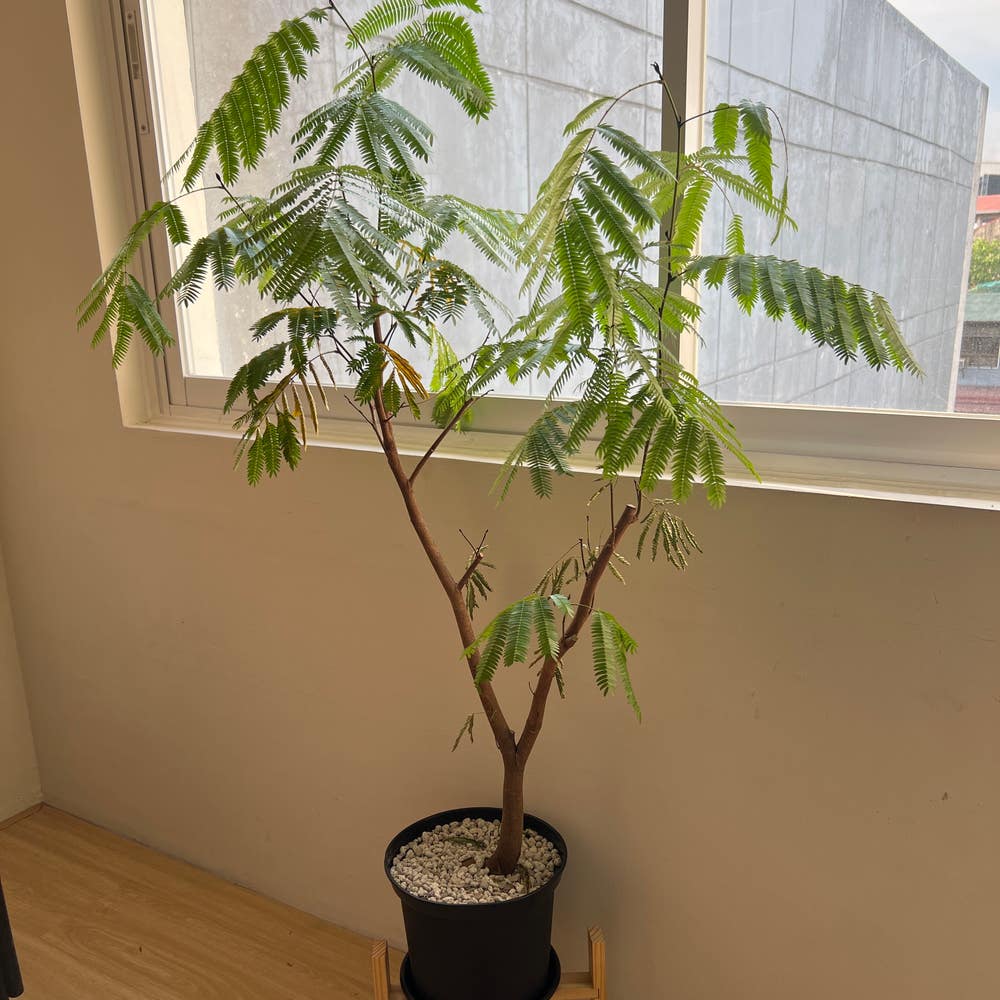
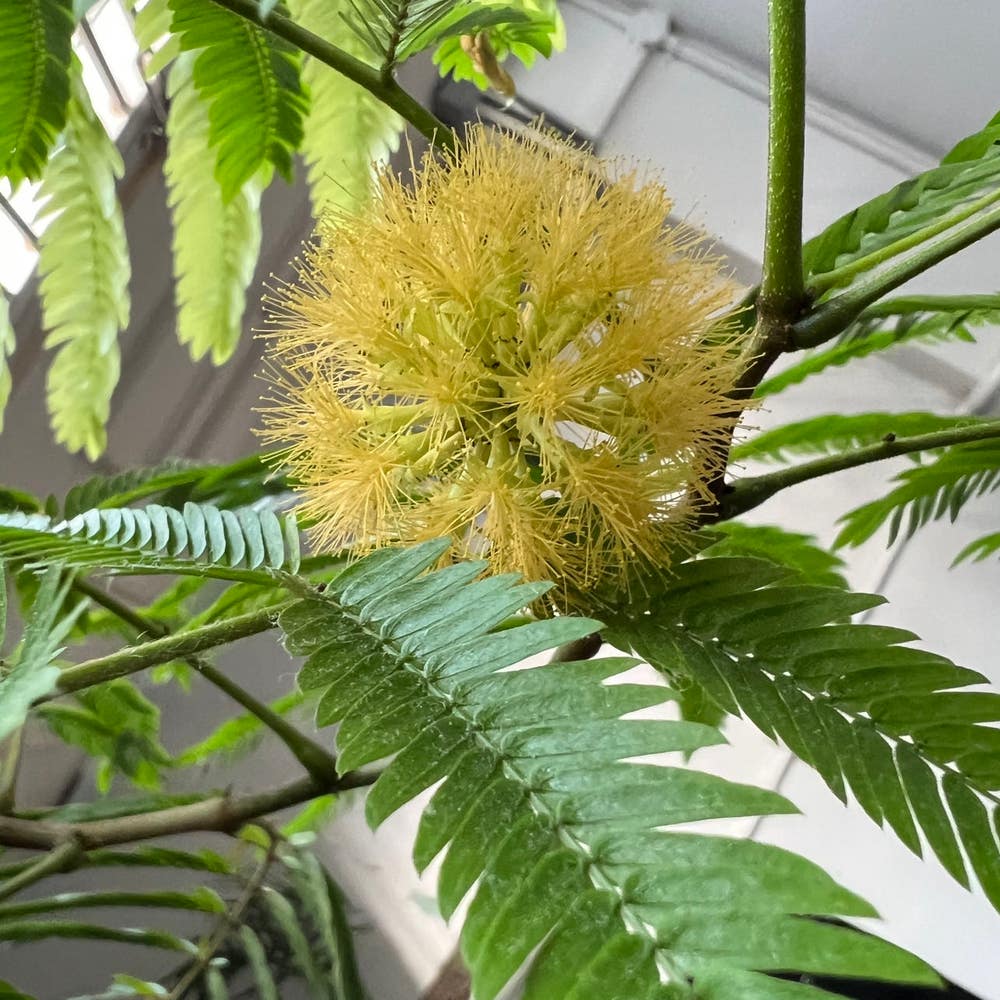
3 Tips to Save Your Soap Tree from Dying
Albizia saponaria
By the Greg Editorial Team
Nov 08, 2024•5 min read
This article was created with the help of AI so we can cover more plants for you. May contain errors. See one? Report it here.
Revive your soap tree's health with key signs to watch for and expert care tips! 🌱✨
- 🌱 Recognize distress signs like yellowing leaves and wilting for timely intervention.
- 💧 Adjust watering: overwatering causes root rot, while underwatering leads to wilting.
- ☀️ Ensure proper light: too little causes leggy growth, too much can scorch leaves.
Recognizing Unhealthy Soap Trees
Signs of an unhealthy plant 🌱
Recognizing when your soap tree is in distress is crucial for its recovery. Look out for yellowing leaves, which often signal stress or a nutrient deficiency.
Wilting or drooping leaves can indicate problems with watering or root health. If you notice fuzzy growth, it may be a sign of mold or fungal infections that need immediate attention.
A leaning or leggy appearance suggests that your plant isn't getting enough light or is growing under improper conditions. These signs are your soap tree's way of communicating its needs, so pay close attention!
By identifying these symptoms early, you can take action to revive your plant and ensure it thrives. Next, let’s dive into the common problems specific to soap trees that might be affecting its health.
Common Problems Specific to Soap Tree
💧 Incorrect watering
Identifying overwatering and underwatering
Watering is crucial for your Soap Tree's health. Overwatering often leads to yellowing leaves, mushy stems, and root rot, while underwatering results in wilting, dry leaves, and crispy edges.
Causes and solutions
Overwatering can stem from poor drainage or excessive rainfall. To remedy this, allow the soil to dry out, improve drainage, and adjust your watering schedule.
On the other hand, underwatering typically occurs due to infrequent watering or high temperatures. Establishing a consistent watering routine will help keep the soil moist but not soggy.
💡 Incorrect light conditions
Symptoms of inadequate or excessive light
Light conditions significantly impact your Soap Tree's vitality. Inadequate light can cause leggy growth and pale leaves, while excessive light may lead to scorched leaves and browning edges.
Adjusting light exposure
To optimize light exposure, consider moving your plant to a location with filtered sunlight. Alternatively, you can adjust the distance from direct light sources or use sheer curtains to diffuse harsh sunlight.
🐛 Pests and Diseases
Common pests affecting Soap Trees
Pests can wreak havoc on your Soap Tree's health. Common culprits include aphids, mealybugs, and spider mites.
Identification and treatment methods
- Aphids: Look for small green or black insects on stems and leaves. Treatment involves using insecticidal soap or neem oil.
- Mealybugs: These appear as white, cotton-like masses on leaves. Manual removal and alcohol swabs are effective treatments.
- Spider mites: Fine webbing and stippled leaves indicate their presence. Increasing humidity and applying miticides can help control them.
Fungal issues
Fungal problems can also affect your Soap Tree.
- Powdery mildew: This manifests as white, powdery spots on leaves. Treat it with fungicide and improve airflow.
- Rust: Look for orange or brown spots on leaves. Remove affected leaves and apply fungicides.
- Black rot: Dark, sunken lesions on stems signal this issue. Improve drainage and apply fungicides.
- Blight: Rapid leaf drop and browning are signs of blight. Remove infected parts and use appropriate fungicides.
🌱 Growth and Leaf Problems
Identifying growth issues
Growth problems can be frustrating. Signs include stagnation in growth despite ideal conditions, lack of flowers or fruit production, leaning due to insufficient light, and leggy, etiolated stems with sparse leaves.
Solutions for each growth problem
To address these issues:
- Not growing: Check for pests, diseases, and nutrient deficiencies.
- Not fruiting: Ensure proper light and nutrient levels.
- Leaning: Rotate the plant for even light exposure.
- Leggy and etiolated: Prune back excessive growth and improve light conditions.
Leaf issues
Leaf problems can also indicate underlying issues. Scorching manifests as brown edges and tips, yellowing suggests nutrient deficiency or overwatering, and fuzzy growth points to mold or fungal infections.
Causes and corrective measures
- Scorching: Caused by excessive light exposure. Relocate to a shadier spot.
- Yellowing: Indicates a nutrient imbalance. Fertilize with a balanced fertilizer.
- Fuzzy growth: Results from high humidity and poor airflow. Improve ventilation and reduce humidity.
By addressing these common problems, you can help your Soap Tree thrive and flourish. Next, let’s explore some preventive measures to keep your plant healthy and vibrant.
Preventive Measures
🌱 Best practices for healthy Soap Tree care
To keep your Soap Tree thriving, establish a consistent watering schedule tailored to seasonal needs. This means adjusting your watering frequency as the seasons change, ensuring your plant gets just the right amount of moisture.
Using well-draining soil is crucial to prevent root rot. A mix that allows excess water to escape will help maintain healthy roots and promote robust growth.
Regular inspections for pests and diseases are essential. Catching issues early can save your plant from severe damage and keep it looking its best.
🔍 Importance of regular monitoring
Monitoring your Soap Tree's health is key to its longevity. Consider utilizing the Greg plant care app for timely reminders and health tracking, making plant care easier and more efficient.
By staying proactive, you can ensure your Soap Tree remains vibrant and resilient, ready to flourish in your home. This approach not only enhances your plant's health but also deepens your connection with it, turning plant care into a rewarding experience.
With these preventive measures in place, you can confidently nurture your Soap Tree and enjoy its beauty for years to come.
⚠️ Safety First
This content is for general information and may contain errors, omissions, or outdated details. It is not medical, veterinary advice, or an endorsement of therapeutic claims.
Always consult a qualified healthcare professional before using any plant as food, medicine, or supplement.
Never eat any plant (or feed one to pets) without confirming its identity with at least two trusted sources.
If you suspect poisoning, call Poison Control (800) 222-1222, the Pet Poison Helpline (800) 213-6680, or your local emergency service immediately.
Spotted an error? Please report it here.
Revive your soap tree and watch it flourish 🌿 by using Greg's tailored reminders and expert tips to ensure it gets the care it needs for vibrant health!