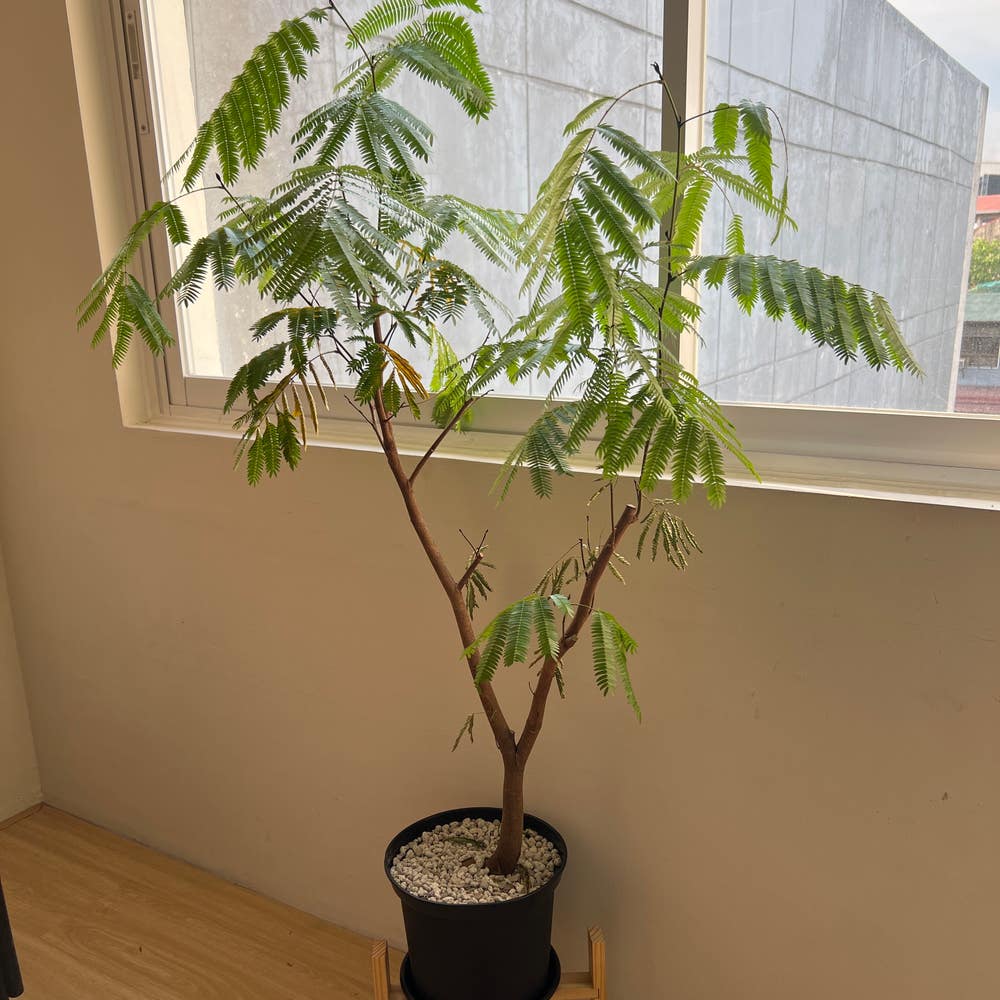
🧼 Ultimate Guide to Soap Tree Roots
Albizia saponaria
By the Greg Editorial Team
Nov 08, 2024•7 min read
This article was created with the help of AI so we can cover more plants for you. May contain errors. See one? Report it here.
Master the unique root systems of Soap Trees 🌳 for vibrant growth and resilience in your garden!
- 🌳 Soap Trees have deep taproots, enhancing drought resilience and nutrient access.
- 🌱 Healthy roots are crucial for growth; inspect regularly to prevent issues.
- 🌼 Optimal care during spring and summer supports robust root development and tree vitality.
Root System Characteristics
Type of Root System 🌳
The Soap Tree boasts a remarkable deep taproot system. This unique structure allows it to access water and nutrients from deeper soil layers, making it resilient even in drought conditions.
These roots are not just deep; they are also thick and sturdy. The Soap Tree's taproot is complemented by lateral roots, enhancing its stability and adaptability to various soil types. This adaptability is crucial for thriving in diverse environments, ensuring the tree can flourish wherever it is planted.
Understanding the root system characteristics of the Soap Tree is essential for anyone looking to cultivate this resilient plant. By appreciating how these roots function, you can better support their growth and health, leading to a more vibrant and robust tree.
As we delve deeper into the specifics of root depth, spread, and growth patterns, you'll discover how these characteristics influence the overall health of the Soap Tree.
Root Depth, Spread, and Growth Patterns
🌱 Typical Root Depth and Spread
The root system of the Soap Tree is impressive, typically reaching depths of 3 to 6 feet (0.9 to 1.8 meters). This depth can vary based on soil conditions, allowing the tree to access vital nutrients and moisture.
Lateral roots can spread significantly, extending up to 10 to 15 feet (3 to 4.5 meters) from the trunk. This expansive network supports stability and nutrient uptake, making the Soap Tree resilient in various environments.
📈 Growth Patterns
Soap Trees exhibit distinct seasonal growth patterns, with active growth occurring primarily in spring and summer. During these months, the roots thrive, absorbing water and nutrients to support the tree's overall health.
Environmental factors play a crucial role in root development. Soil moisture and temperature can significantly influence how well the roots grow, impacting the tree's vitality and resilience. Understanding these patterns helps in providing optimal care for your Soap Tree.
As we delve deeper into the care of Soap Trees, the next section will explore essential practices for watering, fertilizing, and transplanting these remarkable plants.
Watering, Fertilizing, and Transplanting
💧 Watering Needs
Proper watering is crucial for the health of Soap Tree roots. The frequency of watering should align with the root depth and the soil's moisture retention capabilities.
Deep watering is essential to encourage the development of a robust taproot. This method allows the roots to reach deeper soil layers, accessing vital nutrients and water.
🌱 Fertilization Considerations
Healthy root growth relies on adequate nutrients. Understanding the specific nutrient requirements for Soap Trees will help you choose the right fertilizers.
It's best to apply fertilizers during the growing season, typically in spring and early summer. This timing ensures that the roots receive the necessary nutrients when they are most active.
🌳 Transplanting Best Practices
Transplanting should ideally occur in early spring or fall when the plant is less stressed. Timing is key to ensuring a smooth transition for your Soap Tree.
Follow these steps for successful transplanting:
- Prepare the new planting site to ensure it meets the plant's needs.
- Gently remove the plant from its current location, taking care not to damage the roots.
- Minimize root disturbance during the process to promote recovery.
- Water thoroughly after transplanting to help settle the soil around the roots.
By following these guidelines, you can ensure that your Soap Tree thrives in its new environment. Understanding the watering, fertilizing, and transplanting needs of your plant will set the foundation for its long-term health and vitality.
Next, we will explore common root-related issues that may arise and how to address them effectively.
Common Root-Related Issues
🕵️♂️ Identifying Problems
Root-related issues can significantly impact the health of your Soap Tree. One of the most common problems is root rot, which manifests through symptoms like wilting leaves, yellowing foliage, and a foul odor emanating from the soil.
Other diseases can also affect Soap Tree roots, leading to stunted growth and overall plant decline. Keeping an eye on these symptoms is crucial for early intervention.
🛠️ Prevention and Solutions
Preventing root issues starts with ensuring your soil drains well. Waterlogged soil can lead to root rot, so it's essential to choose a potting mix that allows excess moisture to escape.
Regular inspections of root health and soil conditions can help catch problems before they escalate. By being proactive, you can maintain a thriving Soap Tree and enjoy its beauty for years to come.
Understanding these common root-related issues will set the stage for better care practices, ensuring your Soap Tree remains healthy and vibrant. Next, let's explore the visual cues that indicate whether your roots are healthy or unhealthy.
Healthy vs. Unhealthy Roots
👀 Visual Cues for Healthy Roots
Healthy roots are essential for the overall vitality of your Soap Tree. Look for roots that are firm and exhibit a white or light tan color, indicating they are thriving.
Signs of vigorous root growth include the presence of new root tips and branching. These indicators suggest that your plant is actively seeking nutrients and water, which is a great sign of health.
⚠️ Indicators of Unhealthy Roots
On the flip side, unhealthy roots can spell trouble for your plant. Signs to watch for include a dark, mushy texture, foul odors emanating from the soil, and stunted growth.
If you notice these symptoms, it’s time to take corrective measures. Adjusting your watering practices, improving drainage, and repotting if necessary can help restore your Soap Tree's root health.
Understanding these visual cues empowers you to take action before issues escalate. By keeping a close eye on your plant's roots, you can ensure a thriving, healthy Soap Tree.
Next, let’s explore how to recognize and address rootbound conditions that can hinder your plant's growth.
Recognizing and Addressing Rootbound Conditions
📖 Definition and Signs
Rootbound conditions occur when a plant's roots circle around the pot, leading to limited growth. This situation often results in stunted growth, yellowing leaves, and poor water absorption.
⚒️ Intervention Steps
To effectively address rootbound conditions, timing is crucial. You should intervene when you notice growth stagnation or roots peeking out at the pot's surface.
Carefully remove the plant from its pot. This step allows you to assess the root situation without causing further damage.
Trim circling roots and untangle the root mass. This helps to encourage new growth and prevents the roots from continuing to spiral.
Repot into a larger container with fresh soil. Providing more space allows the roots to spread out and access nutrients more effectively.
By recognizing and addressing rootbound conditions promptly, you can ensure your Soap Tree thrives and continues to grow healthily. This proactive approach not only enhances the plant's vitality but also enriches your gardening experience.
Next, we will explore the importance of root health in propagation, highlighting how strong roots contribute to successful plant reproduction.
Importance of Root Health in Propagation
🌱 Role in Successful Propagation
Healthy roots are crucial for successful propagation. They provide the necessary support and nutrients that young plants need to thrive.
Timing is also essential; the best time for propagation is during spring or early summer. This period allows plants to take advantage of warmer temperatures and increased moisture.
✂️ Techniques for Effective Division
To ensure effective division, follow these steps:
- Select a healthy parent plant. Look for one that shows vigorous growth and robust foliage.
- Carefully dig around the root system. Use a spade or garden fork to avoid damaging the roots.
- Divide the root ball into sections. Ensure each section has roots and shoots for successful replanting.
- Replant immediately in suitable soil conditions. This helps minimize stress and encourages quick establishment.
By focusing on root health during propagation, you set the stage for vibrant, thriving plants. Understanding these techniques not only enhances your gardening skills but also fosters a deeper connection with your plants.
Next, we will explore how to recognize and address rootbound conditions to further support your plant's growth.
⚠️ Safety First
This content is for general information and may contain errors, omissions, or outdated details. It is not medical, veterinary advice, or an endorsement of therapeutic claims.
Always consult a qualified healthcare professional before using any plant as food, medicine, or supplement.
Never eat any plant (or feed one to pets) without confirming its identity with at least two trusted sources.
If you suspect poisoning, call Poison Control (800) 222-1222, the Pet Poison Helpline (800) 213-6680, or your local emergency service immediately.
Spotted an error? Please report it here.
Unlock the secret to thriving Soap Trees 🌱 with Greg's tailored watering and care reminders, ensuring your plant's roots grow strong and healthy for a vibrant life!