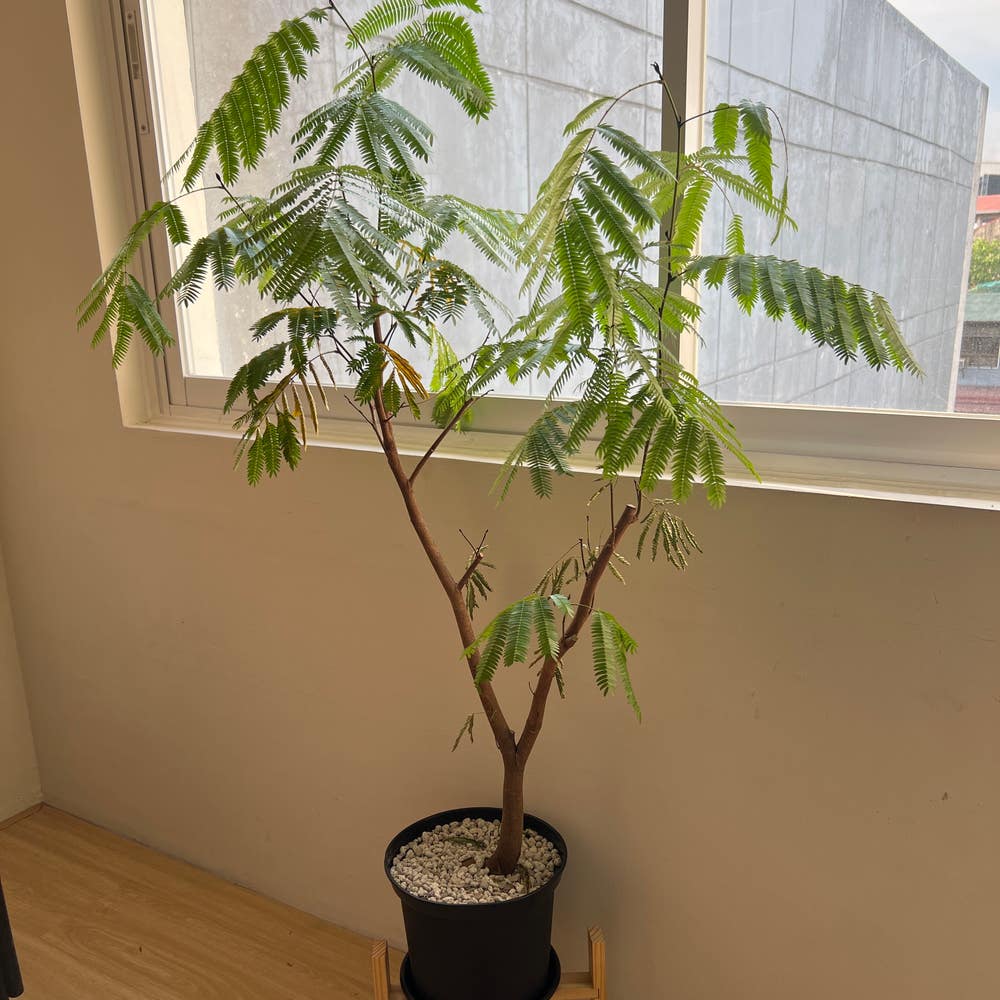
🧼 Ultimate Guide to Fixing Leaves Falling Over on Soap Tree
Albizia saponaria
By the Greg Editorial Team
Nov 08, 2024•6 min read
This article was created with the help of AI so we can cover more plants for you. May contain errors. See one? Report it here.
Revive your Soap Tree's health 🌱 with expert tips to diagnose and prevent leaf drop for vibrant growth!
- 💧 Watering every 1-2 weeks is key; adjust for indoor vs. outdoor Soap Trees.
- 🌞 Bright, indirect sunlight boosts health; consider grow lights in darker months.
- 🐛 Regular pest inspections prevent issues; treat early with insecticidal soap or neem oil.
Diagnosing the Problem
🌊 Assessing Watering Practices
Watering is crucial for your Soap Tree's health, and the frequency varies between indoor and outdoor care. Generally, indoor plants need watering every 1-2 weeks, while outdoor plants might require more frequent attention, especially in hot weather.
To differentiate between overwatering and underwatering, look for signs like yellowing leaves or wilting. Overwatered plants often have soggy soil and root rot, while underwatered plants may have dry, crispy leaves.
For effective watering, consider deep watering techniques that encourage roots to grow deeper. Surface watering can lead to shallow root systems, making your plant more vulnerable to stress.
☀️ Evaluating Light Conditions
Light exposure plays a significant role in your Soap Tree's vitality. Start by measuring the light intensity and duration your plant receives daily; ideally, it should get bright, indirect sunlight for several hours.
If your Soap Tree isn't thriving, consider adjusting its placement. Moving it to a brighter spot or, conversely, to a shadier location can make a big difference in its health.
When natural light falls short, using grow lights can be a game-changer. These lights can supplement your plant's needs, especially during darker months.
🐛 Checking for Pests and Diseases
Regular inspections are essential for identifying pests and diseases. Look closely at the leaves and stems for signs of infestation, such as webbing or sticky residue.
Common diseases affecting Soap Trees include fungal infections and bacterial issues. These can often be treated with appropriate measures, so don't hesitate to act quickly.
For treatment, you can choose between organic solutions like neem oil or chemical options, depending on your preference. Both can be effective, but organic methods are often gentler on the environment.
🌱 Analyzing Soil Quality and Nutrients
Soil quality is vital for your Soap Tree's health. Start by testing the soil for pH and nutrient levels; this will help you understand what your plant needs.
Signs of poor soil quality include compaction and poor drainage, which can hinder root growth. If you notice these issues, it may be time to amend your soil.
Recommended soil amendments include adding organic matter, perlite, or sand to improve drainage and nutrient retention. These changes can significantly enhance your plant's growing conditions.
By thoroughly diagnosing these aspects, you can pinpoint the root cause of your Soap Tree's leaf drop. This understanding sets the stage for effective solutions and long-term care.
Solutions for Leaf Drop
🌊 Adjusting Watering Techniques
Establishing a consistent watering schedule is crucial for your Soap Tree's health. Adjust the frequency and amount based on the season; during warmer months, your plant may need more water, while in cooler months, less is often sufficient.
To check soil moisture effectively, use the finger test or a moisture meter. Insert your finger about an inch into the soil; if it feels dry, it’s time to water. Look for signs like drooping leaves or dry soil to know when to water and when to hold off.
☀️ Improving Light Exposure
Finding the best locations for your Soap Tree can significantly enhance its growth. Ideal spots include windowsills or bright rooms where it can soak up ample natural light.
Rotating the plant regularly ensures even light distribution, preventing one side from becoming leggy. If natural light is insufficient, consider supplemental lighting options like LED grow lights, which can provide the necessary intensity for healthy growth.
🌱 Fertilizing for Optimal Health
Using the right fertilizers can boost your Soap Tree's vitality. Look for balanced NPK ratios to ensure your plant receives essential nutrients.
Timing is key when fertilizing; apply during the growing season for the best results, and reduce or stop during dormant periods. You can choose between liquid and granular fertilizers based on your preference and ease of application.
🐛 Treating Pest Infestations
Identifying pests early is vital for your Soap Tree's health. Use visual guides to recognize common pests like aphids or spider mites, which can wreak havoc if left unchecked.
For treatment, consider options like insecticidal soap or neem oil, both of which are effective and relatively safe. Prevention is equally important; conduct regular inspections and maintain overall plant health to deter infestations.
By implementing these solutions, you can effectively address leaf drop and promote a thriving Soap Tree. Next, let’s explore some preventative measures to keep your plant healthy long-term.
Preventative Measures
Best Practices for Soap Tree Care 🌱
Establishing a regular watering and feeding schedule is crucial for your Soap Tree's health. Aim to water consistently, adjusting frequency based on the season and the plant's needs.
Proper potting is equally important. Choose a pot that allows for adequate drainage and is the right size for your plant to thrive.
Seasonal adjustments can make a significant difference. As the seasons change, modify your care routine to accommodate shifts in temperature and light availability.
Monitoring Environmental Conditions 🌡️
Keeping track of humidity and temperature is essential for a thriving Soap Tree. Use hygrometers and thermometers to monitor these conditions regularly.
Adjust your indoor environment as needed. Consider using humidifiers to maintain moisture levels and ensure good air circulation around your plant.
Recognizing signs of environmental stress early can save your Soap Tree from decline. Look for drooping leaves or discoloration as indicators that adjustments are necessary.
By implementing these preventative measures, you can foster a healthy environment for your Soap Tree, setting the stage for long-term vitality. Next, we’ll explore how to maintain the long-term health of your Soap Tree through regular maintenance routines.
Long-term Health of Soap Tree
🌱 Regular Maintenance Routines
Maintaining your Soap Tree is crucial for its long-term health. Regular pruning helps promote new growth and keeps the plant looking tidy.
To prune effectively, remove dead or yellowing leaves and trim back any leggy growth. This should be done in the spring or early summer when the plant is actively growing.
Repotting is another essential maintenance task. Signs that your Soap Tree needs repotting include roots growing out of the drainage holes or water pooling on the surface of the soil.
Cleaning the leaves is equally important. Dust can accumulate and hinder photosynthesis, so gently wipe the leaves with a damp cloth every few weeks.
🍃 Signs of a Healthy Soap Tree
A healthy Soap Tree exhibits vibrant color and robust growth. Look for bright green leaves and a strong, upright posture.
Regularly monitor leaf health by checking for any discoloration or wilting. These can be early signs of distress that need addressing.
Understanding growth patterns is also vital. A healthy Soap Tree will show consistent growth during the growing season, with new leaves emerging regularly.
🩺 When to Seek Professional Help
Sometimes, despite your best efforts, issues may persist. If you notice persistent leaf drop or other severe problems, it might be time to consult a professional.
Local nurseries or plant specialists can provide valuable insights and tailored advice. Don’t hesitate to reach out when you're unsure.
Utilizing plant care services can also be beneficial. These experts can offer hands-on assistance and help restore your Soap Tree to its former glory.
In summary, regular maintenance, awareness of health indicators, and knowing when to seek help are key to ensuring the long-term vitality of your Soap Tree. With proper care, your plant can thrive and bring joy for years to come.
⚠️ Safety First
This content is for general information and may contain errors, omissions, or outdated details. It is not medical, veterinary advice, or an endorsement of therapeutic claims.
Always consult a qualified healthcare professional before using any plant as food, medicine, or supplement.
Never eat any plant (or feed one to pets) without confirming its identity with at least two trusted sources.
If you suspect poisoning, call Poison Control (800) 222-1222, the Pet Poison Helpline (800) 213-6680, or your local emergency service immediately.
Spotted an error? Please report it here.
Keep your Soap Tree thriving 🌿 by using Greg's tailored reminders for watering and light exposure, ensuring those leaves stay vibrant and healthy!