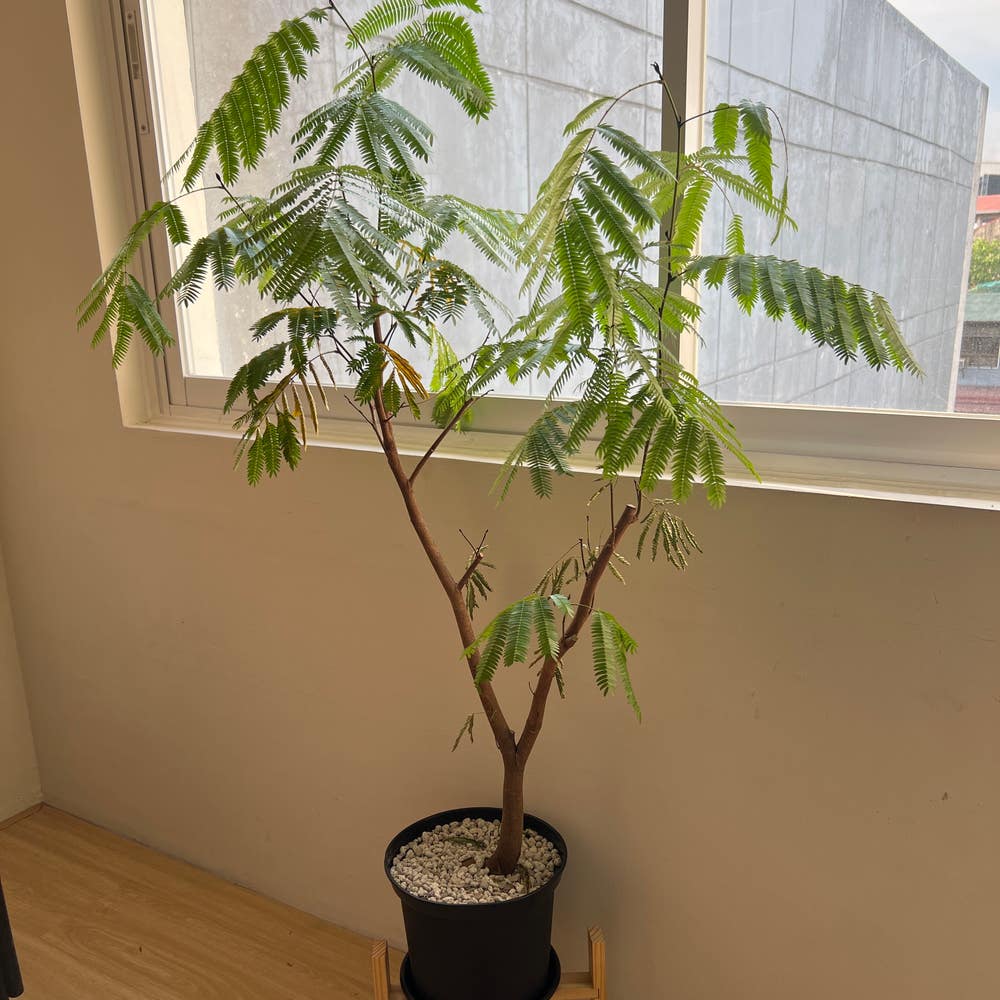
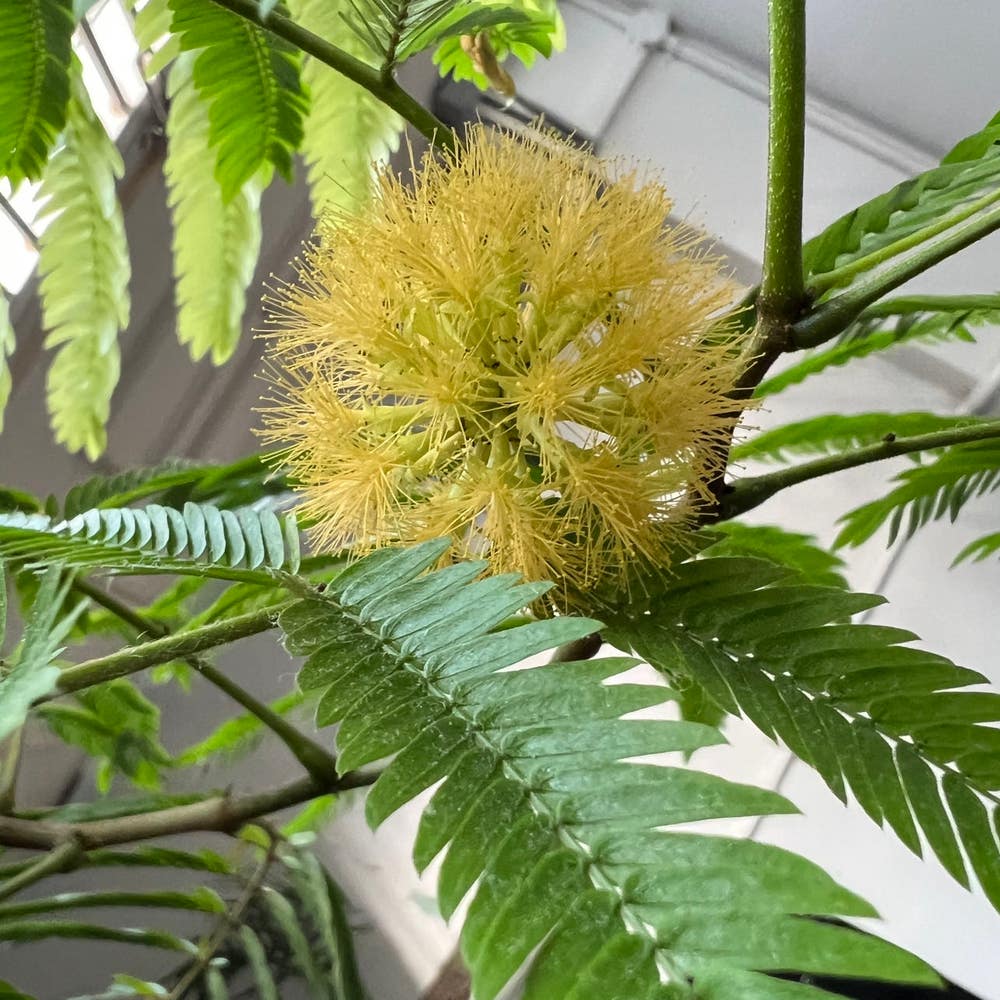
🌳 Fertilizing Soap Tree to Double Its Growth
Albizia saponaria
By the Greg Editorial Team
Nov 08, 2024•6 min read
This article was created with the help of AI so we can cover more plants for you. May contain errors. See one? Report it here.
Unlock your soap tree's full potential 🌱 with expert tips on fertilization for vibrant growth and blooms!
- 🌱 Organic fertilizers boost soap tree growth by providing slow-release nutrients and improving soil health.
- 📅 Fertilize in early spring and late summer for optimal growth and blooming support.
- ⚖️ Understand N-P-K ratios to select the right fertilizer for your soap tree's needs.
Types of Fertilizers Suitable for Soap Tree
🌱 Organic Fertilizers
Organic fertilizers are a fantastic choice for nurturing your soap tree. They provide slow-release nutrients, ensuring a steady supply over time, which is beneficial for sustained growth.
Additionally, these fertilizers enhance soil health and boost microbial activity, creating a thriving ecosystem around the roots. Common examples include compost, fish emulsion, and seaweed extract, each offering unique benefits to your tree's growth.
⚡️ Synthetic Fertilizers
On the other hand, synthetic fertilizers deliver quick nutrient availability, making them ideal for immediate results. Balanced NPK fertilizers are highly recommended, as they contain a mix of nitrogen (N), phosphorus (P), and potassium (K) to support overall plant health.
📊 How to Read Fertilizer Labels
Understanding fertilizer labels is crucial for effective application. The N-P-K ratio indicates the percentage of each nutrient, helping you choose the right product for your soap tree's needs.
It's also important to identify whether the fertilizer is slow-release or fast-release. Slow-release options provide nutrients gradually, while fast-release types offer an instant boost, allowing you to tailor your fertilization strategy effectively.
With the right fertilizer in hand, you're well on your way to doubling your soap tree's growth. Next, let’s explore the best times to fertilize for optimal results.
When to Fertilize Soap Tree
🌱 Best Seasons for Fertilizing
Timing is everything when it comes to fertilizing your soap tree. Early spring is the ideal time to kickstart the growth phase, allowing your tree to absorb nutrients as it begins to awaken from dormancy.
Late summer is another crucial period. This is when you should support blooming and fruit development, ensuring your soap tree has the energy it needs to thrive.
⏰ Timing Fertilization with Growth Cycles
To maximize growth, fertilize just before new growth appears in spring. This proactive approach sets the stage for a robust growing season.
During the blooming phase, consider additional feeding. This extra boost can enhance flower production, making your soap tree even more vibrant.
👀 Signs Indicating When to Fertilize
Keep an eye on your soap tree for signs of distress. Yellowing leaves often indicate a potential nutrient deficiency, signaling that it’s time to fertilize.
Stunted growth is another red flag. If your tree seems to be struggling, it’s a clear indication that it needs a nutrient boost to get back on track.
By monitoring these signs and timing your fertilization correctly, you can ensure your soap tree flourishes throughout the seasons. Next, let’s explore how to effectively apply fertilizer for optimal growth.
How to Fertilize Soap Tree
Step-by-Step Guide to Applying Fertilizer 🌱
Fertilizing your soap tree is a straightforward process that can significantly enhance its growth. Start by choosing the right fertilizer type based on your tree's specific nutrient needs.
Next, determine the appropriate amount of fertilizer. This should be based on the size and age of your soap tree to ensure optimal results.
Once you have your fertilizer, apply it evenly around the root zone. Be careful to avoid direct contact with the trunk, as this can harm the tree.
After application, water the area thoroughly. This helps the nutrients penetrate the soil, making them available for the tree's roots.
Methods of Application 💧
There are several effective methods for applying fertilizer to your soap tree.
- Granular Fertilizer: Spread it evenly on the soil surface for a slow-release effect.
- Liquid Fertilizer: Dilute according to package instructions and apply it using a watering can or sprayer for quick absorption.
- Foliar Feeding: Spray diluted liquid fertilizer directly onto the leaves for immediate nutrient uptake.
Tools and Equipment Needed 🛠️
To ensure a successful fertilization process, gather the following tools:
- Measuring Cup or Scale: For accurate fertilizer amounts.
- Garden Trowel: Useful for soil application.
- Watering Can or Sprayer: Essential for applying liquid fertilizers.
By following these steps and using the right tools, you'll set your soap tree on the path to thriving growth. Next, let’s explore how to avoid over-fertilization and keep your tree healthy.
Avoiding Over-Fertilization
🚩 Signs of Over-Fertilization in Soap Tree
Over-fertilization can harm your soap tree, so it's crucial to recognize the signs early. Look out for leaf burn, which manifests as browning edges on the leaves, indicating too many nutrients.
Additionally, if you notice excessive leaf growth but few flowers, your tree may be getting more fertilizer than it needs. Wilting or drooping leaves, despite adequate watering, is another red flag that suggests nutrient overload.
💧 How to Flush Excess Fertilizer from the Soil
If you suspect over-fertilization, act quickly to remedy the situation. Start by watering the area thoroughly; this helps leach out excess nutrients from the soil.
After watering, allow the soil to drain completely. This step is vital to prevent root rot, which can occur if the roots sit in overly saturated conditions.
⚖️ Adjusting Fertilization Practices
Monitoring your soap tree's response to fertilization is essential for its health. Adjust the type and amount of fertilizer based on how the tree reacts to your feeding regimen.
If you notice signs of over-fertilization, consider reducing the frequency or amount of fertilizer you apply. This adjustment will help maintain a balanced nutrient level for optimal growth.
❌ Common Mistakes to Avoid
One of the most common pitfalls is over-applying fertilizers without first testing the soil. This can lead to nutrient imbalances that harm your tree.
Another mistake is ignoring seasonal growth patterns when scheduling fertilization. Understanding when your soap tree needs nutrients can make all the difference in its health and productivity.
With these tips, you can ensure your soap tree thrives without the risks associated with over-fertilization. Next, let’s explore how to monitor growth and adjust your fertilization practices effectively.
Monitoring Growth and Adjusting Fertilization
📈 Tracking Growth Rates Post-Fertilization
To ensure your soap tree thrives, regularly assess its growth and blooming progress. Keep a journal to document changes, which will help you identify what fertilization practices are most effective.
⚖️ Adjusting Fertilizer Types and Amounts
Tailor your fertilization approach based on how your tree responds to nutrients. If you notice changes in growth patterns, consider switching between organic and synthetic fertilizers to meet your plant's evolving needs.
🌱 Seasonal Adjustments to Fertilization Practices
Your fertilization schedule should adapt to seasonal growth patterns. During peak growth and blooming seasons, increase nutrient input to support your soap tree's vibrant development.
By closely monitoring your soap tree and adjusting your fertilization practices accordingly, you can foster a lush and healthy environment for growth. This proactive approach will ensure your tree not only survives but thrives, setting the stage for the next topic on avoiding over-fertilization.
⚠️ Safety First
This content is for general information and may contain errors, omissions, or outdated details. It is not medical, veterinary advice, or an endorsement of therapeutic claims.
Always consult a qualified healthcare professional before using any plant as food, medicine, or supplement.
Never eat any plant (or feed one to pets) without confirming its identity with at least two trusted sources.
If you suspect poisoning, call Poison Control (800) 222-1222, the Pet Poison Helpline (800) 213-6680, or your local emergency service immediately.
Spotted an error? Please report it here.
Unlock your soap tree's full growth potential 🌳 with Greg's tailored fertilization reminders and nutrient tracking to keep it thriving all year round!