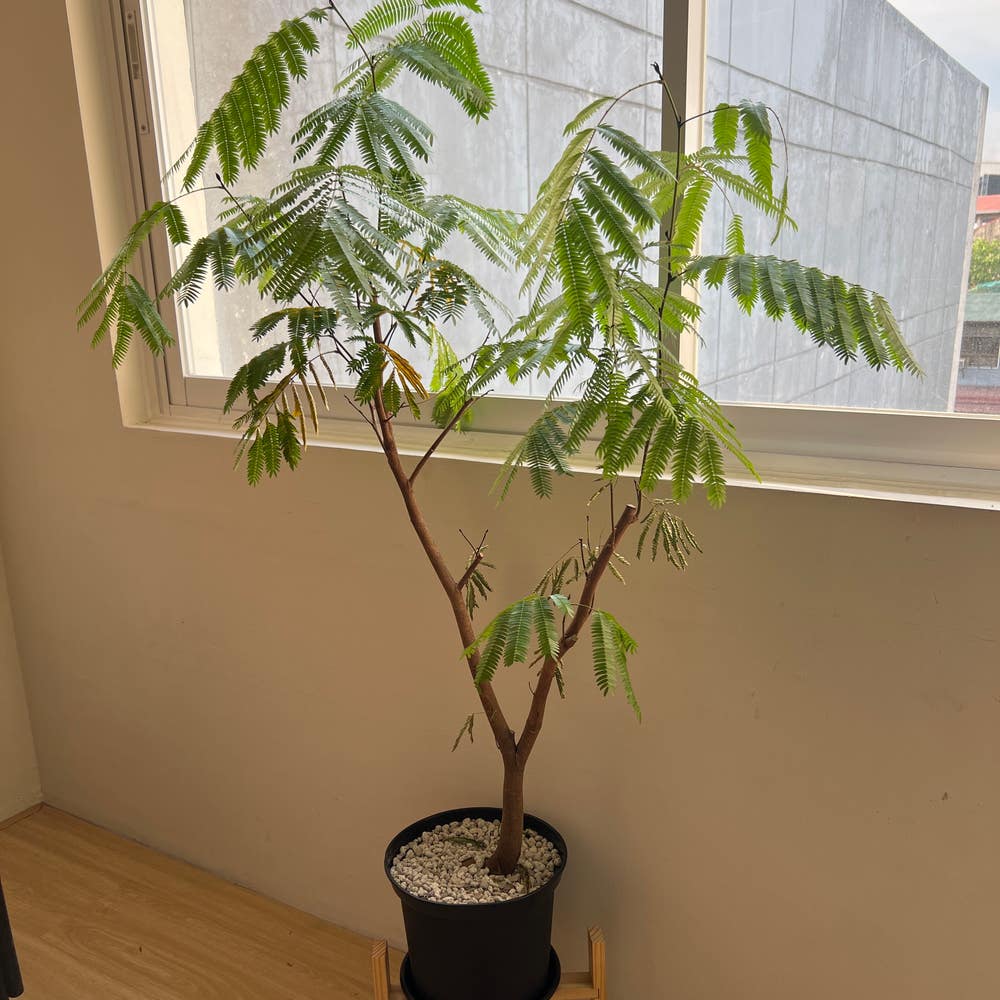
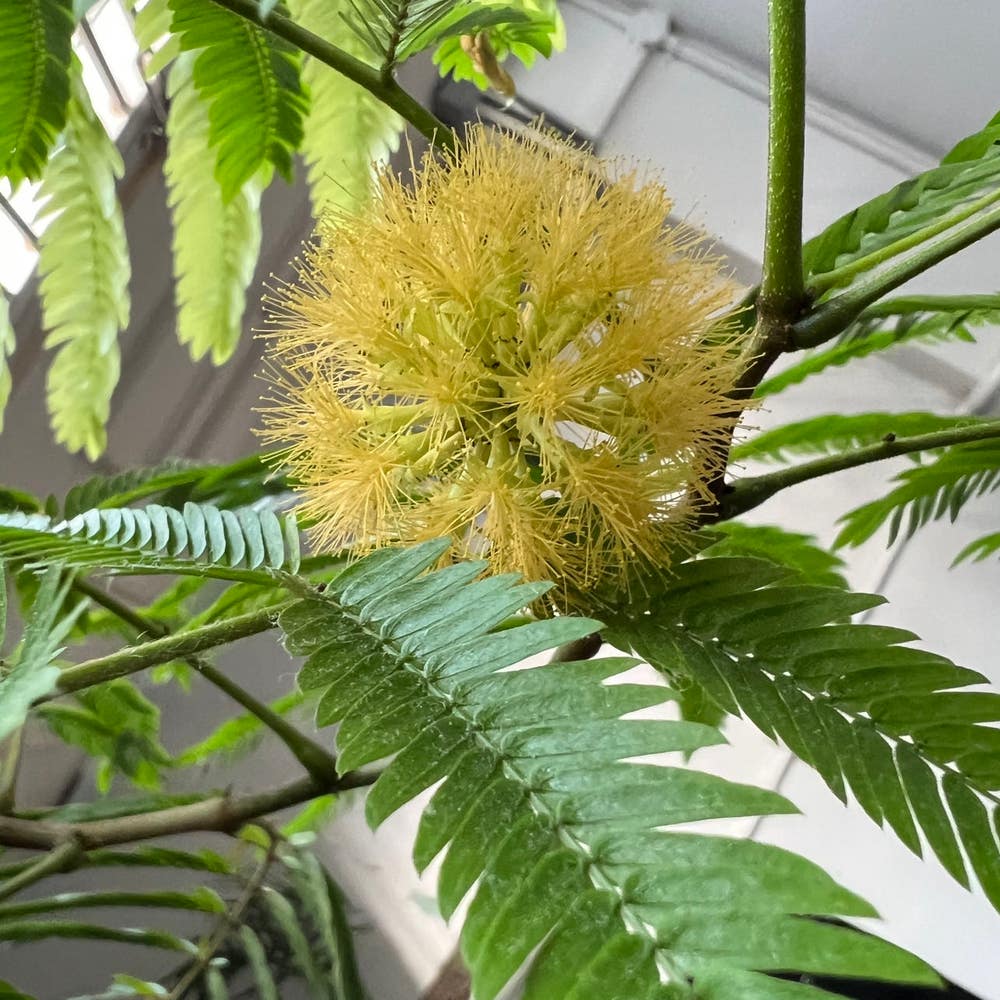
🌳 Propagating Soap Tree: Step-by-Step Guide
Albizia saponaria
By the Greg Editorial Team
Nov 08, 2024•5 min read
This article was created with the help of AI so we can cover more plants for you. May contain errors. See one? Report it here.
Master Soap Tree propagation 🌳 with expert tips on seeds, cuttings, and air layering for thriving plants!
- 🌱 Start with clean seeds and soak them for 24 hours to boost germination.
- 🌞 Maintain 70°F to 85°F and provide indirect sunlight for optimal growth conditions.
- 🌿 Use rooting hormones and create humidity for successful cuttings and air layering.
Propagating Soap Tree from Seeds
Step-by-Step Instructions for Seed Preparation 🌱
Harvesting seeds from mature Soap Tree fruit is your first step. Once collected, clean the seeds thoroughly to remove any pulp and saponins, which can hinder germination.
Next, soak the cleaned seeds in water for 24 hours. This soaking process helps to enhance germination rates, giving your seeds a better chance to sprout.
Ideal Conditions for Germination 🌞
For successful germination, use a well-draining potting mix. This type of soil prevents waterlogging, which can lead to seed rot.
Maintain an optimal temperature range of 70°F to 85°F (21°C to 29°C). Additionally, place your seed trays in indirect sunlight to provide the right light conditions without overwhelming the seeds.
Timeframe for Seed Germination ⏳
Expect an average germination period of 2 to 4 weeks. However, keep in mind that several factors can affect germination rates, including temperature, moisture levels, and the viability of the seeds you’ve collected.
By following these steps, you’ll be well on your way to successfully propagating Soap Trees from seeds. Next, let’s explore how to propagate Soap Trees from cuttings for an alternative approach!
Propagating Soap Tree from Cuttings
Selecting the Right Cuttings 🌱
The best time to take cuttings from your Soap Tree is during early spring or late summer. Aim for cuttings that are 6 to 8 inches long, sourced from healthy, non-flowering stems for the best chance of success.
Preparing Cuttings for Rooting ✂️
To prepare your cuttings, remove the lower leaves to minimize moisture loss. Make a clean cut just below a node; this is crucial for optimal rooting potential.
Rooting Hormone Application 💊
When it comes to rooting hormones, you have two main types: powder and liquid. Simply dip the cut end of your cutting into the rooting hormone to encourage root growth.
Ideal Conditions for Rooting Cuttings 🌧️
For successful rooting, create a humid environment with indirect light. Using a propagation dome or a plastic bag can help maintain the necessary humidity levels.
Timeframe for Rooting ⏳
You can expect an average rooting period of about 4 to 6 weeks. Look for signs of successful rooting, such as new leaf growth and resistance when you gently tug on the cutting.
With these steps, you’re well on your way to propagating your Soap Tree from cuttings. Next, let’s explore how to propagate this unique tree through air layering, another effective method for creating new plants.
Propagating Soap Tree through Air Layering
🌿 Selecting the Right Branch for Layering
Choosing the right branch is crucial for successful air layering. Look for healthy, vigorous branches that show good growth potential, ideally with a diameter between 1/4 to 1/2 inch.
✂️ Preparing the Branch for Air Layering
Preparation is key to encouraging root development. Start by making a circular cut around the branch to expose the cambium layer, which is essential for rooting. After that, apply rooting hormone to the exposed area to boost your chances of success.
🛠️ Materials Needed for Air Layering
Gathering the right materials will streamline the process. You'll need:
- Sphagnum moss or peat moss for moisture retention.
- Plastic wrap or aluminum foil to cover the moss and keep it moist.
- Twine or tape to secure the wrapping around the branch.
👀 Monitoring the Air Layering Process
Regular monitoring is vital to ensure the moss remains moist. Check moisture levels frequently, and look for signs of root development, such as roots becoming visible through the wrapping material.
⏳ Timing for Separation from the Parent Plant
Patience is essential during air layering. Typically, it takes about 6 to 12 weeks for sufficient root development. When it's time to separate the new plant, use clean, sharp tools to minimize damage and ensure a healthy start for your new Soap Tree.
With these steps, you'll be well on your way to successfully propagating your Soap Tree through air layering. Next, let's explore some common challenges you might face during propagation and how to overcome them.
Common Challenges in Soap Tree Propagation
🌱 Issues with Seed Germination
Seed germination can be tricky, with several common problems that can hinder success. Fungal infections, inadequate moisture, and temperature fluctuations are frequent culprits.
To tackle these issues, start by using sterile soil to minimize the risk of fungal infections. Maintain consistent moisture levels and monitor the temperature closely to create an ideal environment for your seeds.
✂️ Problems with Cutting Root Development
When propagating from cuttings, you might encounter signs of failure such as wilting, blackened stems, or no root growth at all. These indicators suggest that something is off in your propagation process.
To improve your chances of success, ensure that the humidity levels are adequate. Avoid overwatering, as this can lead to root rot, and regularly check for any signs of disease that could be affecting your cuttings.
🌿 Air Layering Failures and Solutions
Air layering can also present its own set of challenges. Common issues include insufficient moisture in the moss or pests attacking the wrapped area, both of which can jeopardize root development.
To prevent these problems, regularly check the moisture levels in the moss to ensure it remains damp. Additionally, consider using insect deterrents to protect the wrapped area from pests, ensuring a healthy environment for root growth.
By being aware of these challenges and implementing effective solutions, you can enhance your success in propagating Soap Trees. Next, let’s explore the various methods of propagation in more detail.
⚠️ Safety First
This content is for general information and may contain errors, omissions, or outdated details. It is not medical, veterinary advice, or an endorsement of therapeutic claims.
Always consult a qualified healthcare professional before using any plant as food, medicine, or supplement.
Never eat any plant (or feed one to pets) without confirming its identity with at least two trusted sources.
If you suspect poisoning, call Poison Control (800) 222-1222, the Pet Poison Helpline (800) 213-6680, or your local emergency service immediately.
Spotted an error? Please report it here.
Propagate your Soap Tree like a pro 🌱 with Greg's tailored reminders and expert care tips that ensure your seeds and cuttings flourish effortlessly!