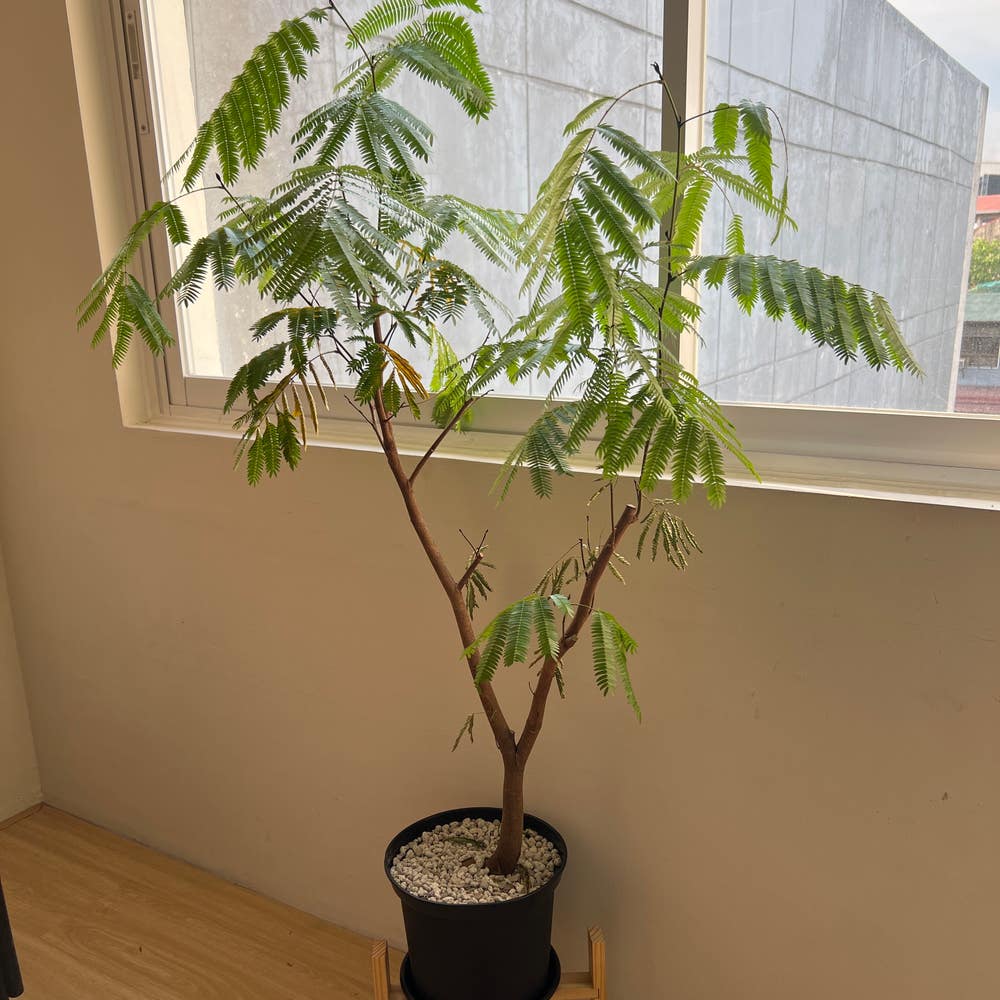
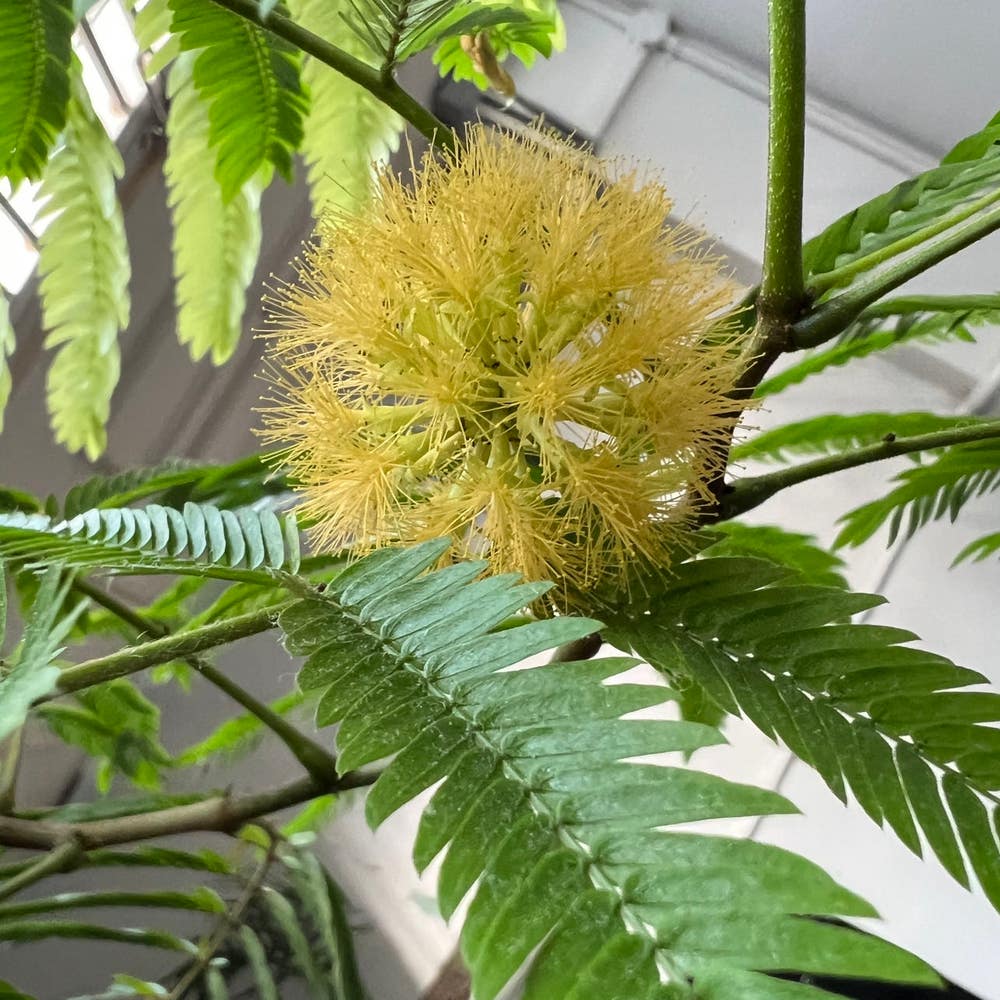
3 Tips for Healing Curling Leaves on Your Soap Tree 🩹
Albizia saponaria
By the Greg Editorial Team
Nov 08, 2024•5 min read
This article was created with the help of AI so we can cover more plants for you. May contain errors. See one? Report it here.
Revive your Soap Tree's vitality 🌱 by mastering simple techniques to diagnose and treat curling leaves effectively! 🌿
- 🌡️ Curling leaves indicate environmental stress; check temperature, humidity, and sunlight exposure.
- 🌞 Soap Trees need 6-8 hours of sunlight daily for optimal health and growth.
- 🐛 Pests like aphids and spider mites cause leaf curl; inspect regularly for signs.
Diagnosing Curling Leaves
🌍 Environmental Factors Affecting Leaf Curl
Curling leaves on your Soap Tree can often be traced back to environmental factors. The ideal temperature range for healthy growth is between 20°C to 30°C (68°F to 86°F).
Humidity also plays a crucial role; maintaining optimal humidity levels is essential for robust leaf development. Additionally, ensure your Soap Tree receives 6-8 hours of direct sunlight daily to thrive.
🐛 Pests That Cause Leaf Curl
Pests are another common culprit behind curling leaves. Watch out for aphids, spider mites, and whiteflies, as these pests can wreak havoc on your plant.
Signs of infestation include sticky residue on leaves, webbing, and the presence of visible insects. Regular inspections can help catch these issues early.
🥦 Nutrient Deficiencies Leading to Leaf Curl
Nutrient deficiencies can also lead to curling leaves. Key nutrients for your Soap Tree include nitrogen, potassium, and magnesium.
If you notice yellowing leaves, stunted growth, or curling, it may indicate a lack of these essential nutrients. Addressing these deficiencies promptly can restore your plant's health.
By understanding these factors, you can better diagnose the reasons behind your Soap Tree's curling leaves. This knowledge sets the stage for effective treatment and prevention strategies.
Treating Curling Leaves
🌱 Step-by-Step Guide to Treating Curling Leaves
Treating curling leaves on your Soap Tree can be straightforward if you follow a systematic approach. Start by assessing the environmental conditions: check the temperature, humidity, and sunlight exposure to ensure they fall within the ideal ranges.
Next, inspect your plant for pests. Look closely at the leaves and stems for any signs of infestation, such as sticky residue or visible insects.
After that, test the soil moisture. You can use a moisture meter or simply stick your finger into the soil to determine if it’s too dry or too wet.
Once you have this information, adjust your watering practices. Aim for consistent moisture without waterlogging the roots, which can lead to further issues.
Finally, apply appropriate treatments. If pests are present, use insecticidal soap; for nutrient deficiencies, consider nutrient supplements tailored for your Soap Tree.
🐞 Recommended Treatments for Pests
When it comes to pests, you have several effective options. Insecticidal soap is a popular choice; apply it directly to affected areas every 7-14 days until the problem resolves.
Neem oil is another excellent treatment. It not only helps eliminate pests but also acts as a repellent. Mix it with water according to the instructions and spray it on your plant, focusing on the undersides of leaves.
Consider biological controls as well. Introducing beneficial insects like ladybugs can naturally reduce pest populations, creating a healthier environment for your Soap Tree.
💧 Adjusting Watering Practices for Soap Tree
Watering frequency is crucial for maintaining your Soap Tree's health. In spring and summer, you may need to water more frequently due to increased evaporation and growth.
Be mindful of the signs of overwatering versus underwatering. Overwatered plants often exhibit yellowing leaves and root rot, while underwatered plants may have dry, crispy leaves. Adjust your watering habits accordingly to keep your Soap Tree thriving.
By following these steps, you can effectively treat curling leaves and promote a healthier, more vibrant Soap Tree. Next, let’s explore how to prevent leaf curl in the first place.
Preventing Leaf Curl
🌱 Best Practices for Soap Tree Care
Regular monitoring is crucial for maintaining the health of your Soap Tree. Check for pests and environmental changes frequently to catch issues early.
Pruning is another essential practice. By removing damaged leaves, you encourage new growth and improve the overall vitality of the plant.
🌿 Soil and Watering Recommendations
The ideal soil composition for your Soap Tree is a well-draining mix that includes sand and perlite. This combination ensures proper drainage and aeration, which are vital for root health.
To stay on top of your watering schedule, consider using the Greg plant care app for reminders. This tool can help you maintain consistent moisture levels without overwatering.
🌡️ Monitoring Environmental Conditions
Keeping track of temperature and humidity levels is key to preventing leaf curl. Regularly check these conditions to ensure they remain within the optimal range for your Soap Tree.
Adjusting the plant's placement based on seasonal sunlight changes can also make a significant difference. This proactive approach helps your Soap Tree thrive throughout the year.
By implementing these best practices, you can create a nurturing environment that minimizes the risk of leaf curl. Next, let’s explore how to treat curling leaves effectively when they do occur.
Seasonal Considerations
🌱 Seasonal Changes Affecting Leaf Health
Understanding how the seasons impact your Soap Tree is crucial for maintaining its health.
Spring marks the optimal growth period, where increased watering is essential to support new growth.
Summer brings heat stress, so be vigilant about watering and watch for pests that thrive in warmer weather.
As Fall approaches, prepare your Soap Tree for dormancy by gradually reducing watering.
In Winter, protect your tree from cold drafts and ensure it receives adequate light to survive the season.
🔄 Adjusting Care Routines Based on Seasons
Modifying your care routine according to the seasons can make a significant difference.
In spring and summer, increase watering frequency to match the plant's growth demands.
During fall and winter, scale back on watering to prevent over-saturation as the tree enters dormancy.
Fertilization should also be adjusted; use a balanced fertilizer in the growing seasons and reduce or eliminate it during dormancy.
By staying attuned to these seasonal changes, you can help your Soap Tree thrive year-round.
Next, let’s explore best practices for preventing leaf curl and ensuring your tree remains healthy.
⚠️ Safety First
This content is for general information and may contain errors, omissions, or outdated details. It is not medical, veterinary advice, or an endorsement of therapeutic claims.
Always consult a qualified healthcare professional before using any plant as food, medicine, or supplement.
Never eat any plant (or feed one to pets) without confirming its identity with at least two trusted sources.
If you suspect poisoning, call Poison Control (800) 222-1222, the Pet Poison Helpline (800) 213-6680, or your local emergency service immediately.
Spotted an error? Please report it here.
Keep your Soap Tree's leaves lush and vibrant 🌿 by using Greg's tailored reminders to maintain optimal light, humidity, and watering for thriving growth!