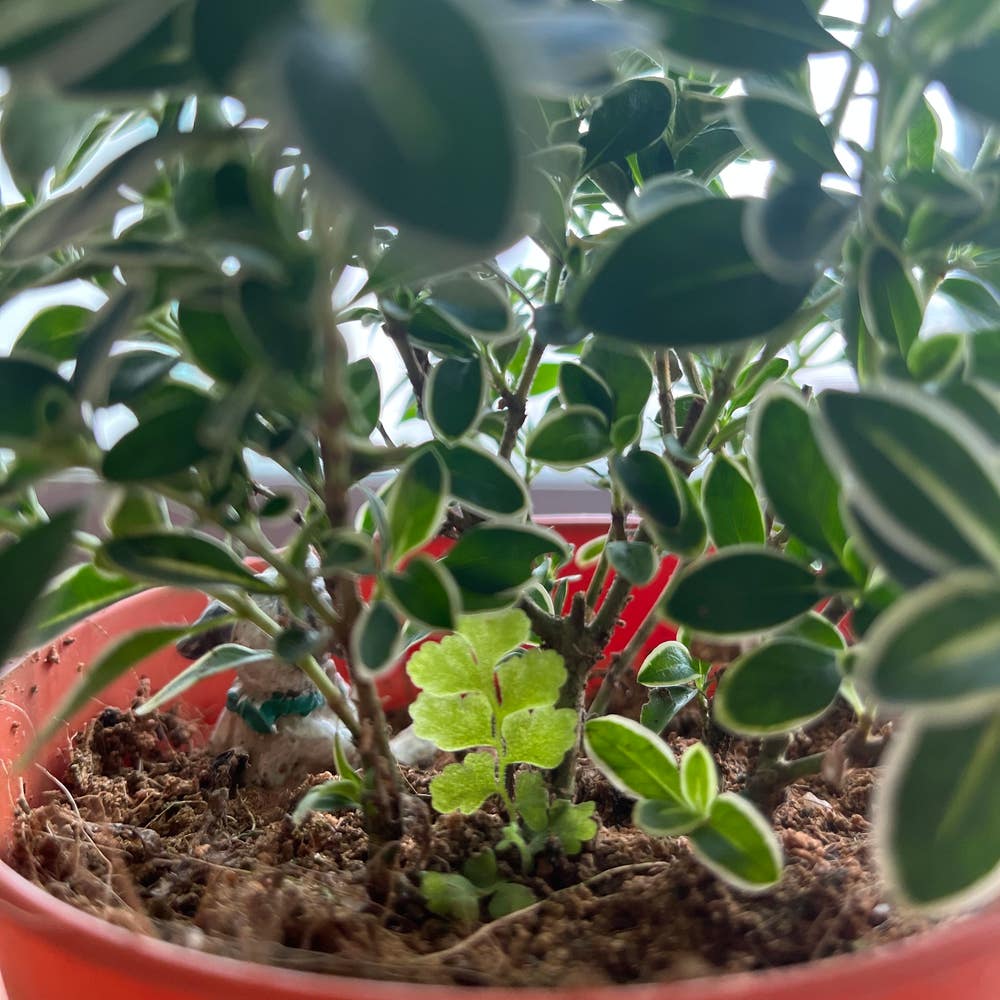
❄️ Snowrose: Where to Plant
Serissa japonica
By the Greg Editorial Team
Oct 02, 2024•5 min read
This article was created with the help of AI so we can cover more plants for you. May contain errors. See one? Report it here.
- ☀️ Assess sunlight availability for optimal Snowrose planting spots using shadow mapping techniques.
- 🌱 Conduct soil testing to ensure pH and nutrients support healthy Snowrose growth.
- 🌬️ Protect Snowrose from wind with barriers to reduce stress and promote thriving plants.
Assessing the Best Spot
🌞 Evaluating Sunlight Availability
To ensure your Snowrose thrives, start by assessing sunlight availability. Techniques like shadow mapping and simple observation can help you pinpoint the best spots.
Timing is crucial; check sunlight exposure at different times of the day. Consistent sunlight is vital for healthy growth, so aim for areas that receive ample light throughout the day.
🌱 Analyzing Soil Conditions
Next, analyze your soil conditions. Conduct soil testing to assess pH and nutrient levels, which are essential for Snowrose health.
Look for signs of poor soil, such as compaction, water pooling, and a lack of organic matter. Amending your soil by adding compost or organic matter can significantly improve its quality.
🚰 Considering Drainage and Moisture Levels
Drainage is another critical factor for Snowrose success. Proper drainage prevents root rot and promotes healthy growth.
Identify drainage issues by observing signs of waterlogged soil and poor aeration. Solutions include creating raised beds or adding sand and gravel to enhance drainage.
By carefully evaluating sunlight, soil, and drainage, you set the stage for a flourishing Snowrose garden. Next, let’s explore how microclimates and environmental factors can further influence your planting decisions.
Microclimates and Environmental Factors
🌬️ Wind Protection Strategies
Wind can be a silent enemy for Snowrose plants. Protecting them from strong gusts reduces stress and promotes healthier growth.
Natural barriers like hedges or fences can effectively shield your plants. Consider planting these barriers strategically to create a windbreak.
Additionally, the orientation of your Snowrose matters. Position them away from prevailing winds to minimize exposure and ensure they thrive.
🌡️ Temperature Variations and Their Impact
Temperature fluctuations can significantly affect your Snowrose. Understanding the difference between day and night temperatures is crucial for optimal growth.
Extreme temperatures can stress your plants, impacting their flowering and overall health. Be mindful of these variations, especially during seasonal transitions.
To manage temperature effectively, consider mulching around your plants. This helps regulate soil temperature and retain moisture.
Strategic planting can also mitigate temperature extremes. Grouping plants with similar needs can create a more stable microclimate, benefiting your Snowrose.
As you plan your garden, keep these environmental factors in mind. They play a vital role in the success of your Snowrose and can lead to a flourishing garden.
Indoor vs. Outdoor Planting
Best Indoor Locations for Snowrose 🌱
Finding the right spot indoors for your Snowrose is crucial. Aim for bright, indirect light near windows to ensure your plant thrives.
Humidity plays a vital role in growth. Keeping moisture levels consistent will help your Snowrose flourish, so consider using a humidity tray or misting the leaves.
When it comes to containers, drainage is key. Choose pots with good drainage holes to prevent waterlogging, which can harm your plant.
Outdoor Site Selection Tips 🌞
For outdoor planting, assess your garden layout carefully. Look for spots that receive optimal sun exposure, as Snowrose loves the light.
Seasonal changes can affect your planting strategy. Adjust your planting times based on the seasons to ensure your Snowrose gets the best start.
Long-term planning is essential too. Consider how much space your Snowrose will need as it grows, and choose a location that allows for its future expansion.
With these tips, you can create the perfect environment for your Snowrose, whether indoors or outdoors. Next, let’s explore the benefits of companion planting to enhance your gardening experience.
Companion Planting
Suitable Companion Plants for Snowrose 🌸
When it comes to companion planting, choosing the right partners for Snowrose can make all the difference. Consider plants like lavender and salvia, which thrive in similar conditions and can enhance the overall health of your garden.
Benefits of Companion Planting 🌱
Companion planting offers numerous advantages. It can deter pests naturally, reducing the need for chemical interventions, and improve pollination, leading to more vibrant blooms.
Avoiding Competition 🚫
It's crucial to select companions that won't compete with Snowrose for resources. Look for plants with complementary growth habits to ensure a harmonious garden environment.
By thoughtfully pairing Snowrose with suitable companions, you can create a thriving ecosystem that benefits all plants involved. This approach not only enhances growth but also fosters a more resilient garden.
As you explore companion planting, consider how these relationships can enrich your gardening experience and lead to a flourishing landscape.
Common Location Challenges
🌞 Addressing Shade vs. Sun Exposure Issues
Identifying shade problems is crucial for the health of your Snowrose. Look for areas where sunlight is limited, especially during peak hours when the sun is strongest.
If you find your Snowrose struggling in the shade, consider pruning nearby plants to allow more light in. Alternatively, relocating your Snowrose to a sunnier spot can make a significant difference in its growth.
Monitoring light changes throughout the seasons is essential. As trees and plants grow, they can create new shadows, impacting your Snowrose's sunlight exposure.
🚰 Solutions for Poor Drainage Areas
Identifying poor drainage spots is vital for preventing root rot in your Snowrose. Look for signs like standing water or soil saturation after rain.
To improve drainage, creating raised beds can be an effective solution. You might also consider using drainage tiles to redirect excess water away from your plants.
Selecting the right location is key to ensuring the long-term health of your Snowrose. A well-drained area will promote robust growth and vibrant blooms, making your gardening efforts worthwhile.
With these challenges addressed, you can create a thriving environment for your Snowrose. Next, let’s explore the benefits of companion planting to further enhance your garden's ecosystem.
⚠️ Safety First
This content is for general information and may contain errors, omissions, or outdated details. It is not medical, veterinary advice, or an endorsement of therapeutic claims.
Always consult a qualified healthcare professional before using any plant as food, medicine, or supplement.
Never eat any plant (or feed one to pets) without confirming its identity with at least two trusted sources.
If you suspect poisoning, call Poison Control (800) 222-1222, the Pet Poison Helpline (800) 213-6680, or your local emergency service immediately.
Spotted an error? Please report it here.
Cultivating a thriving Snowrose garden 🌼 is easy with Greg's tailored care tips and reminders to help you master sunlight, soil, and drainage for vibrant blooms!