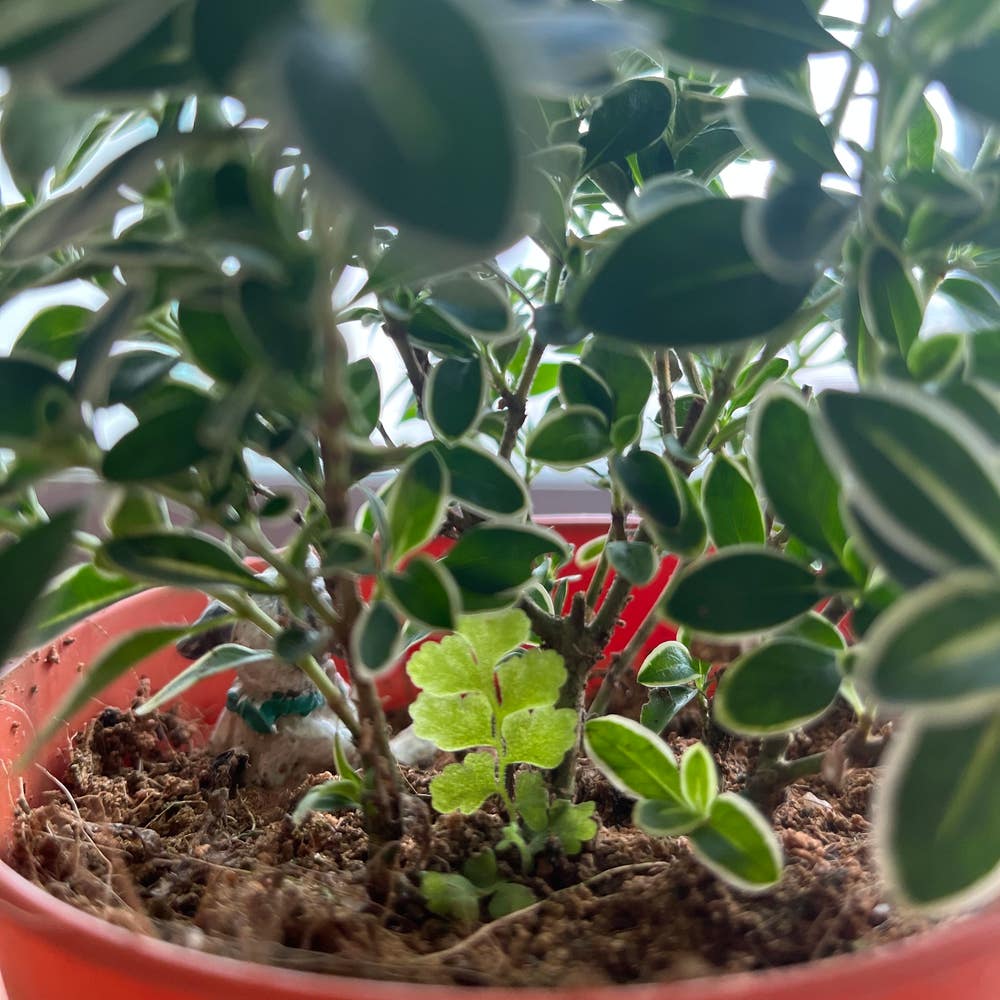
❄️ 4 Companions to Boost Your Snowrose's Growth
Serissa japonica
By the Greg Editorial Team
Oct 02, 2024•5 min read
This article was created with the help of AI so we can cover more plants for you. May contain errors. See one? Report it here.
- 🌼 Marigolds repel pests like nematodes, boosting your Snowrose's growth.
- 🌱 Basil shares care needs, enhancing flavor and deterring flies for Snowrose.
- 🌿 Lavender adds beauty while keeping moths away, benefiting your Snowrose garden.
Best Companion Plants for Snowrose
🌼 Marigold
Marigolds are known for their bright, cheerful flowers and strong scent. They thrive in well-drained soil and full sunlight, making them perfect companions for Snowrose.
Their pest-repellent properties are impressive; they effectively deter nematodes and aphids. Plus, marigolds attract beneficial insects like ladybugs and lacewings, enhancing your garden's ecosystem.
🌿 Basil
Basil is an aromatic herb with lush green leaves that not only adds flavor to your dishes but also benefits your garden. It shares similar watering needs and sunlight exposure with Snowrose, making it a compatible choice.
This herb enhances the flavor of nearby plants while repelling pests like flies and mosquitoes. Additionally, basil promotes healthy growth through nutrient sharing in the soil.
💜 Lavender
Lavender brings a touch of elegance with its fragrant purple flowers and silvery foliage. It requires well-drained soil and full sun, aligning perfectly with the needs of Snowrose.
Beyond its beauty, lavender acts as a natural pest deterrent, particularly against moths and beetles. Its contrasting colors and textures also add visual appeal to your garden.
🌵 Aloe Vera
Aloe Vera is a succulent known for its thick, fleshy leaves and medicinal properties. It shares similar drought tolerance and soil preferences with Snowrose, making it an excellent companion.
This plant provides shade and moisture retention for Snowrose roots, helping them thrive. Additionally, aloe vera enhances garden diversity with its unique foliage and flowers.
These companion plants not only support the growth of your Snowrose but also create a vibrant and dynamic garden environment. Next, let’s explore how companion planting can effectively manage pests.
Pest Management through Companion Planting
Companion planting is a powerful strategy for managing pests in your Snowrose garden. By selecting the right plants, you can create a natural barrier against common pests.
🌿 Natural Repellents
Certain companion plants act as natural repellents, protecting Snowrose from harmful insects. For instance, the strong scent of marigolds can deter nematodes and aphids, keeping your Snowrose healthy and thriving.
🦋 Encouraging Beneficial Insects
Companion plants also attract beneficial insects that prey on pests. Ladybugs and lacewings, for example, are drawn to marigolds and help control aphid populations.
🛡️ Specific Pest-Repellent Properties
Marigold
Marigolds are not just pretty flowers; they are pest-fighting champions. Their ability to repel nematodes and aphids makes them a must-have in any Snowrose companion planting strategy.
Basil
Basil is another excellent choice for pest management. Its aromatic leaves not only enhance the flavor of nearby plants but also repel flies and mosquitoes, creating a healthier garden environment.
Lavender
Lavender adds both beauty and functionality to your garden. Its fragrant blooms deter moths and beetles, providing an extra layer of protection for your Snowrose.
By incorporating these companion plants, you can effectively manage pests while enhancing the overall health of your Snowrose garden. This approach not only protects your plants but also creates a vibrant ecosystem that thrives together.
Next, let’s explore how these companion plants can enhance the visual appeal of your Snowrose garden.
Visual Appeal and Aesthetic Benefits
Companion plants can transform your Snowrose garden into a vibrant oasis. By incorporating a variety of plants, you create a colorful landscape that draws the eye and enhances the overall beauty of your garden.
🌈 Creating a Colorful Landscape
Diverse plant choices bring life to your garden. Bright marigolds, for instance, can add a cheerful pop of color that complements the striking blooms of Snowrose.
🎨 Contrasting Colors and Textures
Utilizing contrasting colors and textures is key to showcasing Snowrose's beauty. The soft hues of lavender paired with the boldness of Snowrose flowers create a stunning visual effect that captivates anyone who walks by.
🌿 Pairing Plants for Maximum Impact
- Marigolds: Their vibrant yellows and oranges stand out against the delicate petals of Snowrose.
- Lavender: The silvery foliage and purple flowers provide a beautiful contrast, enhancing the overall aesthetic.
By thoughtfully selecting companion plants, you not only boost the visual appeal but also create a harmonious garden environment. This synergy can lead to a more enjoyable gardening experience, making your Snowrose truly shine.
Next, let’s explore how these companion plants can help manage pests effectively.
Plants to Avoid Near Snowrose
When planning your Snowrose garden, it's crucial to know which plants to steer clear of. Certain companions can hinder growth and lead to problems.
🌵 Cacti
Cacti might seem like a unique addition, but they compete for similar water needs. This can lead to overwatering, which is detrimental to your Snowrose.
🍽️ Heavy Feeders
Plants like corn are heavy feeders that can deplete the soil of essential nutrients. This leaves your Snowrose struggling to thrive.
⚠️ Reasons for Incompatibility
The risk of root rot is a significant concern when planting near certain species. Poor drainage can create a breeding ground for issues that harm your Snowrose.
Additionally, some plants may attract pests or compete for resources. This can create an unhealthy environment for your Snowrose to flourish.
By avoiding these incompatible plants, you can ensure a healthier, more vibrant Snowrose garden. Next, let’s explore how companion plants can enhance pest management through natural defenses.
⚠️ Safety First
This content is for general information and may contain errors, omissions, or outdated details. It is not medical, veterinary advice, or an endorsement of therapeutic claims.
Always consult a qualified healthcare professional before using any plant as food, medicine, or supplement.
Never eat any plant (or feed one to pets) without confirming its identity with at least two trusted sources.
If you suspect poisoning, call Poison Control (800) 222-1222, the Pet Poison Helpline (800) 213-6680, or your local emergency service immediately.
Spotted an error? Please report it here.
Boost your Snowrose's growth with perfect companions like marigolds and basil, and let Greg guide you with tailored care tips for a flourishing garden oasis! 🌿