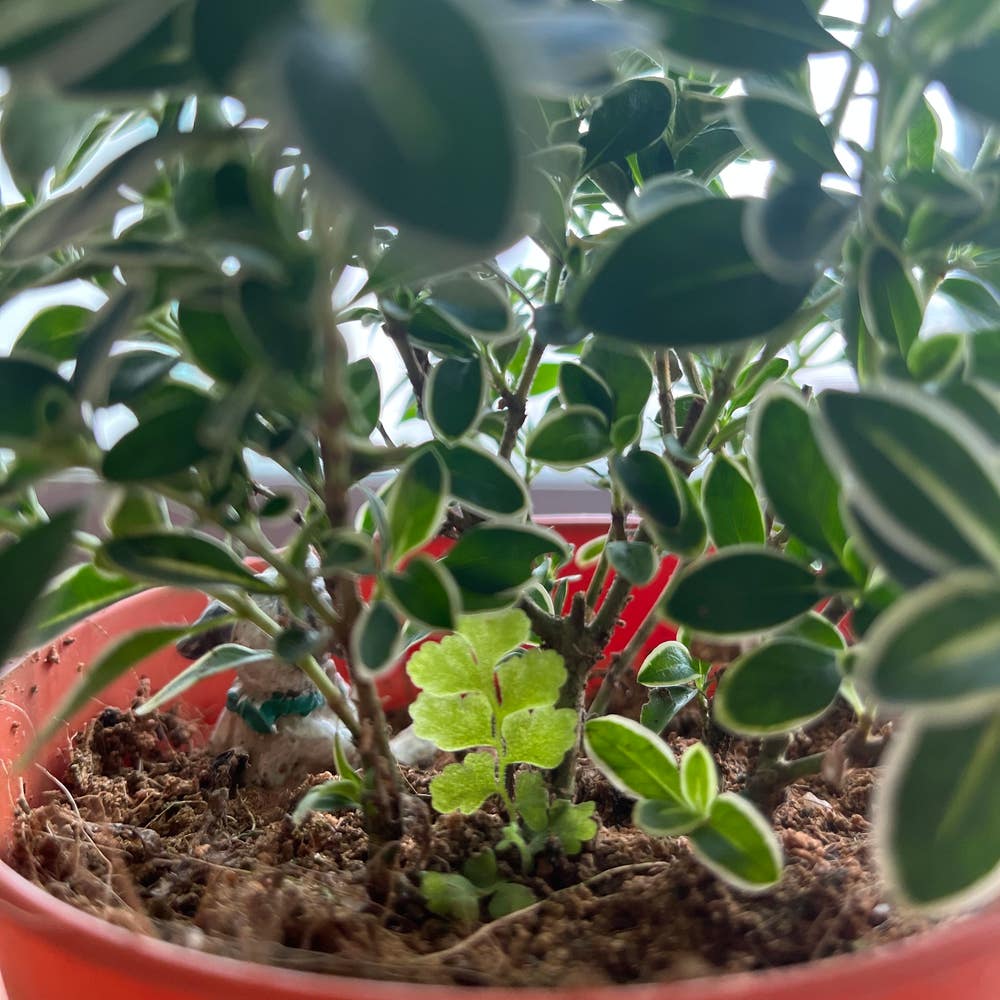
Why Are My Snowrose Leaves Curling?
Serissa japonica
By the Greg Editorial Team
Jun 18, 2024•4 min read
This article was created with the help of AI so we can cover more plants for you. May contain errors. See one? Report it here.
- 🌱 Leaf curling signals distress; look for yellowing, vigor loss, or less flowering.
- 💧 Balance watering; avoid both soggy soil and dryness to prevent curling.
- 🌡️🐜 Maintain warm climate and monitor for pests to keep Snowrose healthy.
Spotting the Signs: When Your Snowrose is Unhappy
🍃 Recognizing Leaf Curling
Leaf curling in Snowrose plants is not just an aesthetic issue; it's a distress signal. The leaves may roll up, resembling tiny green scrolls, or fold inwards, making the plant look like it's bracing for impact.
Early detection is crucial. Check for leaves that seem to be huddling together or twisting away from their natural open flatness.
🚨 Other Symptoms to Watch For
Beyond curling, your Snowrose might exhibit other symptoms. Yellowing leaves, a general lack of vigor, or a reduction in flowering can all accompany the curling conundrum.
Look out for stunted growth or leaves that fall off too easily. These signs can help pinpoint the underlying issue, guiding you towards the right fix.

Diving into the Causes of Leaf Curling
🌊 Too Much Love: The Perils of Overwatering
Overwatering turns your Snowrose's soil into a swamp, and nobody likes wet feet for too long, not even plants. Leaves curl down as if trying to escape the waterlogged conditions. Check for a soggy soil feel and the dreaded root rot. If your Snowrose is swimming rather than sitting pretty, it's time to rethink your watering routine.
🏜️ Thirsty Roots: The Underwatering Problem
Curling leaves on a Snowrose can scream thirst. A parched plant is a sad sight, with leaves curling inward as a cry for help. Dry soil down to two inches? That's your cue to water. But remember, it's a marathon, not a sprint—water slowly to avoid shocking those thirsty roots.
❄️ Feeling the Chill: Temperature Stress and Your Snowrose
When leaves curl and shiver, it's a sign your Snowrose is not a fan of the cold. Temperature stress can make a Snowrose act like it's hugging itself for warmth. Keep your plant in the Goldilocks zone—comfortably warm without turning it into a tropical retreat.
🐜 Unwanted Guests: Pest Infestations
Ah, pests—the uninvited guests that love your Snowrose a little too much. Leaves curling can be a distress signal, indicating it's time to check for creepy crawlies. Evict these pests quickly with a thorough inspection and prompt treatment, ensuring your Snowrose remains a pest-free zone.

Turning Things Around: Fixing Leaf Curling
💧 Balancing the Watering Equation
Overwatered? Let the soil dry before you water again. If you've been underwatering, introduce moisture gradually—think slow sips, not a gulp. A consistent check of soil moisture, two inches down, should become your new ritual.
❄️ Creating the Ideal Snowrose Climate
Snowrose throwing a temperature tantrum? Keep it above 10°C to avoid the cold shoulder. Bright, indirect light is your friend here, and if you're outdoors, consider a shade cloth to protect against the midday sun.
🐜 Winning the Battle Against Pests
Got pests? It's eviction time. Introduce beneficial insects or use organic pesticides as your first line of defense. Remember, a healthy plant is less of an all-you-can-eat buffet for critters, so keep your Snowrose strong with balanced watering and light.

Keeping Your Snowrose Happy: Prevention Tips
💧 Watering Wisdom: Keeping to the Right Schedule
Touch, don't schedule. Forget watering on autopilot; your Snowrose's thirst varies. Check the soil moisture with your finger—if the top inch is dry, it's time to water. Overwatering invites root rot, while underwatering leaves your plant gasping. Find that moisture balance and stick to it.
🌡️ Climate Control: Ensuring Optimal Conditions
Stability is key. Snowroses despise the rollercoaster of fluctuating temperatures. Keep them in a room where the climate is as consistent as a metronome. Use a thermometer to avoid the chills and a hygrometer to sidestep the sauna. Drafts and direct heat sources? Big no-nos.
🐜 Vigilance Against Pests: Regular Checks and Early Action
Be a plant detective. Regularly inspect your Snowrose for freeloaders. Catching pests early means less drama. If you spot trouble, show no mercy—blast off scales with water or pick them off by hand. For stubborn guests, insecticidal soap or Neem oil can send them packing. Remember, prevention is less hassle than the cure.
⚠️ Safety First
This content is for general information and may contain errors, omissions, or outdated details. It is not medical, veterinary advice, or an endorsement of therapeutic claims.
Always consult a qualified healthcare professional before using any plant as food, medicine, or supplement.
Never eat any plant (or feed one to pets) without confirming its identity with at least two trusted sources.
If you suspect poisoning, call Poison Control (800) 222-1222, the Pet Poison Helpline (800) 213-6680, or your local emergency service immediately.
Spotted an error? Please report it here.
Prevent your Snowrose's leaf curling 🍃 with Greg's smart watering reminders, ensuring just the right amount of moisture for a happy plant!