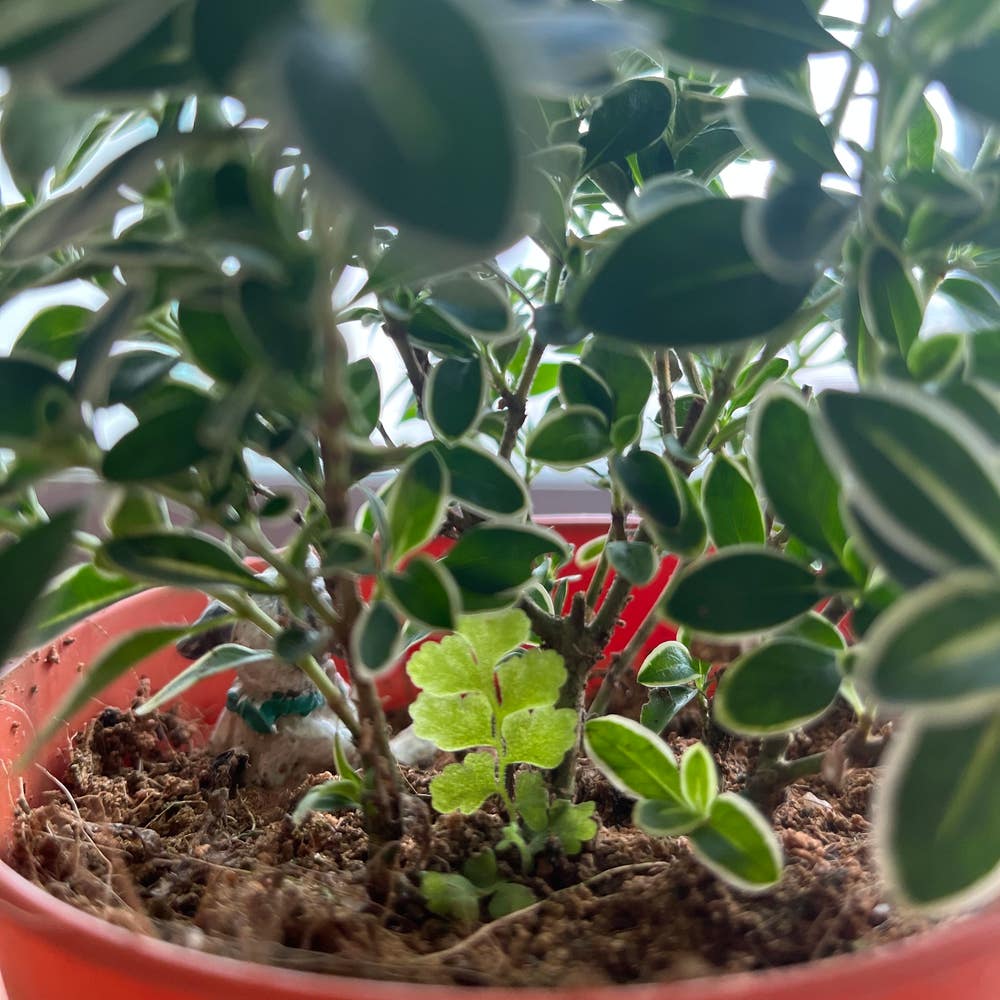
Snowrose - Fertilizing 101
Serissa japonica
By the Greg Editorial Team
Jun 18, 2024•4 min read
This article was created with the help of AI so we can cover more plants for you. May contain errors. See one? Report it here.
- 🌱 Spring fertilizing boosts growth, but winter is a no-feed zone.
- Balanced NPK (5-7-3) is key for Snowrose health and blooms.
- Over-fertilization signs? Stop, flush soil, or repot if severe.
Timing is Everything: When to Feed Your Snowrose
🌸 Spring into Action: Fertilizing in the Growing Season
Spring ushers in active growth for your Snowrose, making it the prime time to start the fertilizing regime. Kick off the season with a balanced, water-soluble fertilizer every two weeks, adhering to the recommended dosage. This consistent nutrient boost will set the stage for lush foliage and vibrant blooms.
❄️ The Winter Chill: When to Hold Back
Come winter, your Snowrose hits the pause button, entering a dormant phase. It's a period of rest, not just for the plant but also for your fertilizing schedule. Hold off on the fertilizer; your Snowrose won't miss it. This break is crucial for the plant's health, preventing the stress of processing nutrients it doesn't need and can't use during its slumber.

Picking the Perfect Meal: Choosing Fertilizers for Snowrose
💡 The NPK Lowdown: What Your Snowrose Craves
Snowrose plants are like picky eaters with a sweet spot for certain nutrients. The ideal NPK ratio for these beauties is a balanced affair, typically something like a 5-7-3. This means they need a moderate amount of nitrogen for foliage, a slightly higher dose of phosphorus for those stunning blooms, and a touch of potassium for overall health and disease resistance. It's about giving them a well-rounded diet without tipping the scales too much in any one direction.
🍽️ Organic vs. Synthetic: A Healthy Debate
When it comes to feeding your Snowrose, you've got two camps: organic and synthetic fertilizers. Organic options are the slow-release, soil-building types, nurturing your plant and its home turf over time. They're the eco-friendly choice, but they might hit your wallet harder and, let's be honest, they can smell like a barnyard. Synthetic fertilizers, on the other hand, are the get-up-and-go type. They're budget-friendly and fast-acting, but misuse them, and you risk the dreaded nutrient burn. It's like choosing between a home-cooked meal and fast food—both can work, but it's all about the right balance and your gardening style.

Serving Up Nutrients: How to Apply Fertilizer
💧 The Right Dose: Measuring and Mixing
Getting the dilution ratios just right is crucial when fertilizing your Snowrose. It's like being a barista for your plants—precision is non-negotiable. Use a measuring syringe to ensure you're not giving your green buddy a nutrient overdose. Always dilute as directed on the package and apply to moist soil. This isn't just making mud pies; it's about facilitating nutrient uptake without overwhelming the plant's system.
📅 Frequency Matters: How Often to Fertilize
Your Snowrose doesn't need a feast; it prefers consistent, smaller meals. Creating a fertilizing schedule that your plant will thank you for involves regular feedings during the growing season—think of it as setting up meal prep for your flora. But remember, less is more. Over-fertilization is the equivalent of a plant food coma. Stick to the script—apply every other watering or as recommended—and watch your Snowrose thrive without the drama.

Oops, Too Much!: Dealing with Over-Fertilization
🚨 Spotting the Telltale Signs
Recognizing when your Snowrose has had its fill is crucial. Leaf browning at the tips and margins is a classic distress signal. A white, crusty layer of fertilizer on the soil's surface or pot edges screams over-fertilization. If you notice stunted growth or a lack of blossoms, despite proper care, it's time to reassess your fertilizing routine.
💊 The Recovery Plan: Bringing Your Snowrose Back
If you've been too generous with fertilizer, it's time for damage control. First, stop fertilizing immediately—your Snowrose needs a break. Gently remove any visible fertilizer crust without disturbing too much soil. Flush the soil with water to dilute and wash away excess salts; think of it as a detox for your plant's roots. If the damage is severe, consider repotting with fresh soil to give your Snowrose a fresh start. Remember, less is often more when it comes to plant nutrition.
⚠️ Safety First
This content is for general information and may contain errors, omissions, or outdated details. It is not medical, veterinary advice, or an endorsement of therapeutic claims.
Always consult a qualified healthcare professional before using any plant as food, medicine, or supplement.
Never eat any plant (or feed one to pets) without confirming its identity with at least two trusted sources.
If you suspect poisoning, call Poison Control (800) 222-1222, the Pet Poison Helpline (800) 213-6680, or your local emergency service immediately.
Spotted an error? Please report it here.
Ensure your Snowrose thrives 🌸 with a balanced fertilizing routine, and rely on Greg to gently remind you when and how much to nourish your blooms.